Listen to this article
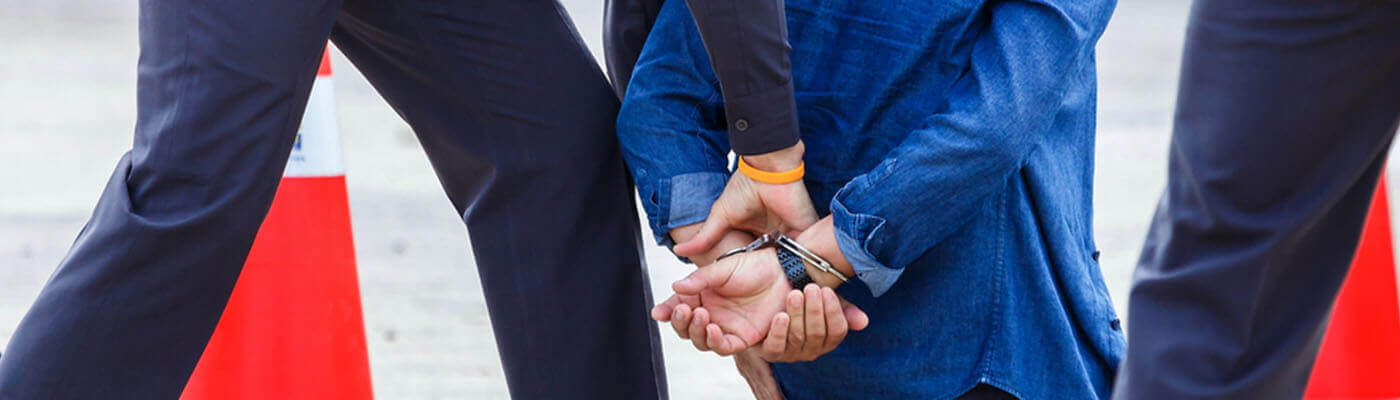
Handcuffs are a necessary tactical tool for law enforcement officers to transport arrested people safely. Peerless designed the handcuffs that modern police officers use today at the beginning of the 20th century. While some alterations to the locks have changed the original design, they are still very similar.
Like the Peerless handcuffs, today’s version is a swing cuff that has a free-swinging ratchet that lets police adjust it for the size of the person they’re arresting and making it easier to handcuff a perpetrator with one hand. This design increases the safety of the arrest process and speed of handcuffing the person.

Photo by Kindel Media
Types of Handcuffs
There are three main types of handcuffs, and they include:
1. Hinged Handcuffs
Hinged cuffs connect with a large hinge reducing the mobility of arrestees. They are more secure and excellent for argumentative, intoxicated, and combative subjects. If you get one handcuff on a suspect fighting with you, hinged cuffs allow you to use defensive tactics, such as torquing the handcuff at an angle that hurts, to persuade a suspect to cooperate.
The hinge also makes these handcuffs stronger, and it would take someone on a stimulant drug to break chained cuffs, but your arrestee isn’t escaping hinged cuffs. Hinged handcuffs can be folded in half and put in a handcuff pouch on your gun belt.
These Smith & Wesson Hinged Handcuffs are a great example of the traditional hinged handcuff. These have a double lock feature which is critical for all good handcuffs because it prevents the cuffs from tightening on the suspect whenever they move.
2. Chain Handcuffs
Chain handcuffs are the other common cuff carried by law enforcement officers. They give suspects a little more mobility than hinge cuffs. They are easy to use on most people and better for larger and muscular people. These handcuffs aren’t quite as sturdy as hinged cuffs, but there have only been a few occurrences where someone on stimulants broke the chain.
Like hinge cuffs, chain handcuffs can be placed on an arrestee with just one hand and fold easily to store in a handcuff pouch. Peerless still makes handcuffs to this day, and these chain-link handcuffs are a great example of the typical chain handcuffs that law enforcement officers carry.
3. Bar Handcuffs
These handcuffs aren’t commonly used but offer a safer option for transporting inmates that aren’t compliant. The two cuffs connect with a solid bar instead of a chain or hinge. They are resistant to tampering, just like hinge cuffs, only they offer the subject even less mobility. Bar handcuffs allow police officers to use pain compliance techniques to control arrestees and maintain more control for a safer arrest process.
Disposable Restraints
Unfortunately, there are some instances where officers arrest more than one, two, or even three people. Police respond to riots or other calls for service involving many people. It’s difficult to keep large numbers of chain or hinged cuffs in your patrol car, so officers carry flex cuffs or disposable cuffs for the times they need to arrest multiple people. They’re easy to apply, and they cut off easily.
They should only be used as an alternative to handcuffs when you run out of the ones you carry in your car, patrol bag, or handcuff pouch. Flex cuffs aren’t as sturdy or tamperproof as real handcuffs.
Hinged Cuffs vs. Chained Cuffs
The biggest difference between handcuffs available today is the way they’re connected. The two main types of handcuffs are hinged and chained. Hinged cuffs are the most secure because they cut down on an arrestee’s movement, making the entire arrest process safer. They are more painful for the suspect and often don’t work on larger or more muscular people. But these handcuffs give law enforcement officers more control over their arrests, which can be excellent for combative or argumentative suspects.
Chain handcuffs allow the arrested person more flexibility and movement, which is necessary in some cases. You can use these on more docile arrestees or larger people. Sometimes extremely muscular people need to be restrained with two sets of cuffs because it’s difficult to bring their hands together behind their backs. Officers usually use two sets of chained cuffs in these instances.
Most officers carry both types of handcuffs in their patrol bags, as well as flex cuffs for more choices when securing someone and for the ability to arrest more than one subject. Sometimes police departments give officers the discretion to handcuff in the front or back, but this should rarely be done in instances with non-combative mental health transports or elderly people. There may occasionally be other people who are safe enough to transport handcuffed in the front.

Photo by Kindel Media
While police restraints have changed throughout the 20th century, they are still basically the same design that Peerless created approximately 100 years ago. These are the primary types of handcuffs that police officers carry today and the best for using on arrestees.