Frequently Asked Questions
What size hard armor plate should I choose?
What size hard armor plate should I choose?
Choose a plate size that covers your vital organs, especially the heart and lungs, without extending unnecessarily low on the torso. LAPG carries common sizes including 8x10 for smaller users, 10x12 as a common fit for many plate carriers, and 11x14 for taller users.
What is the difference between Level III and Level IV body armor?
What is the difference between Level III and Level IV body armor?
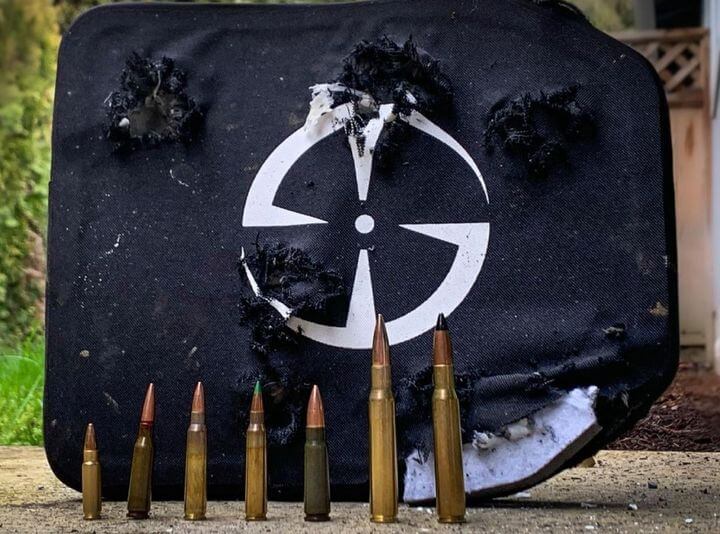
Level III plates are commonly used for rifle-round protection, while Level IV plates are designed for higher-velocity rifle threats. The right level depends on the threats you are preparing for, the weight you can carry, and your carrier setup.
Should I choose ceramic or steel armor plates?
Should I choose ceramic or steel armor plates?
Steel armor is usually more budget-friendly, but it is heavier, especially when worn as front and rear plates. Ceramic armor is thicker but typically lighter than steel and does not spall in the same way steel can.
Do I need side plates with my hard body armor?
Do I need side plates with my hard body armor?
Side plates add coverage to the sides of your armor setup and can help address threats from more angles. They also add weight and may reduce mobility, so they are best chosen based on your mission, comfort, and coverage needs.
What is included in a body armor kit?
What is included in a body armor kit?
Body armor kits typically package plates with a carrier to simplify loadout selection. LAPG offers kits built around plate carrier and armor combinations, including packages with two Level IV plates.
Level III vs. Level IV Body Armor: What Level Do You Need?
When it comes to personal protection against ballistic threats, having the right gear is paramount. Ballistic plates play a crucial role in enhancing your safety by providing an extra layer of defense. However, choosing between different protection levels can be confusing...
Read More