Listen to this article
Table of Contents
- What Uniform Does the U.S. Army Wear Today?
- What Is the Army Combat Uniform?
- What Is the IHWCU?
- What Is the Army Green Service Uniform?
- What Is the Blue Army Service Uniform?
- What Does the Army Wear for Physical Training?
- Main Types of Army Uniforms
- What Insignia and Patches Appear on Army Uniforms?
- What Regulations Govern Army Uniforms?
- What Boots Are Worn With the Army Combat Uniform?
- A Short History of U.S. Army Uniforms
- Can Civilians Buy Army-Style Clothing?
- Where Can You Shop for OCP and Military Uniform Gear?
- Bottom Line
- FAQs
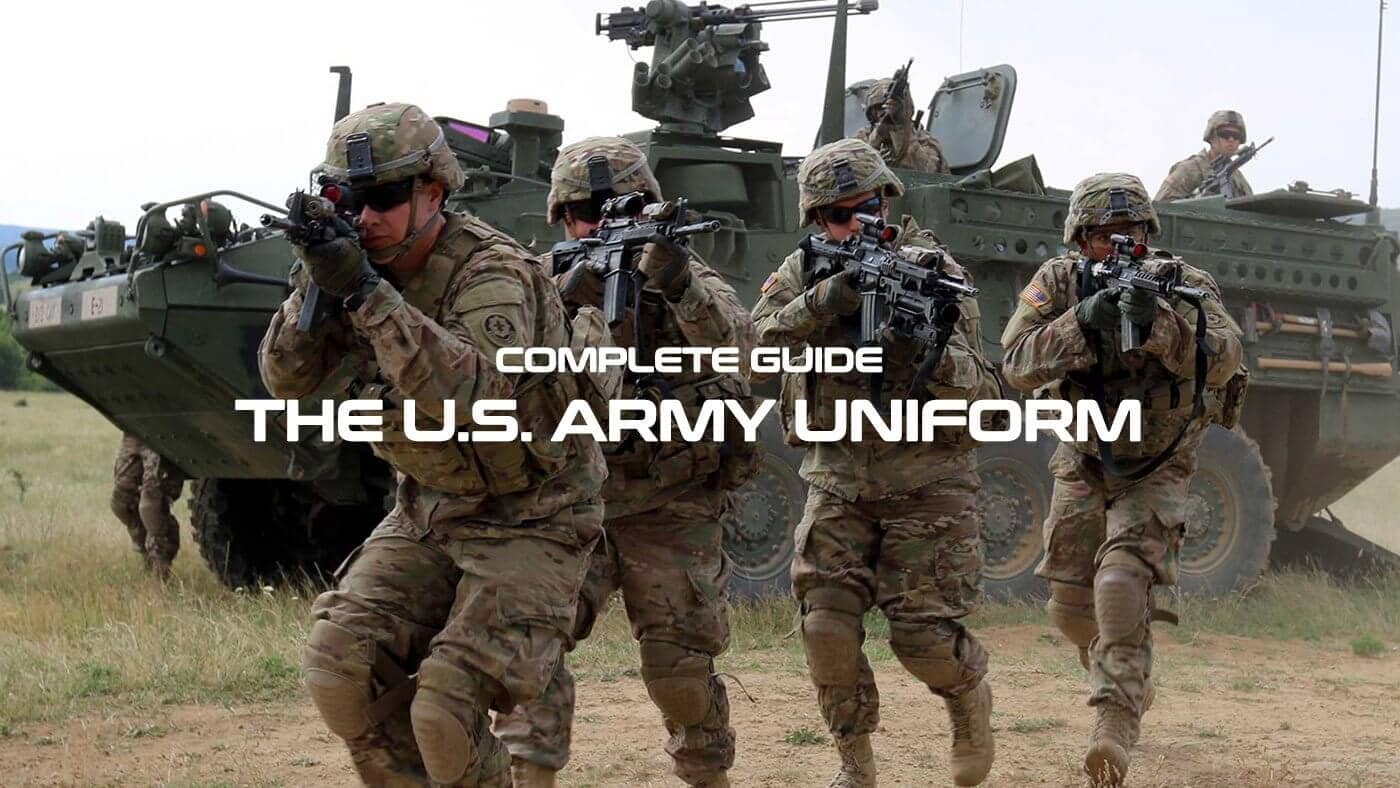
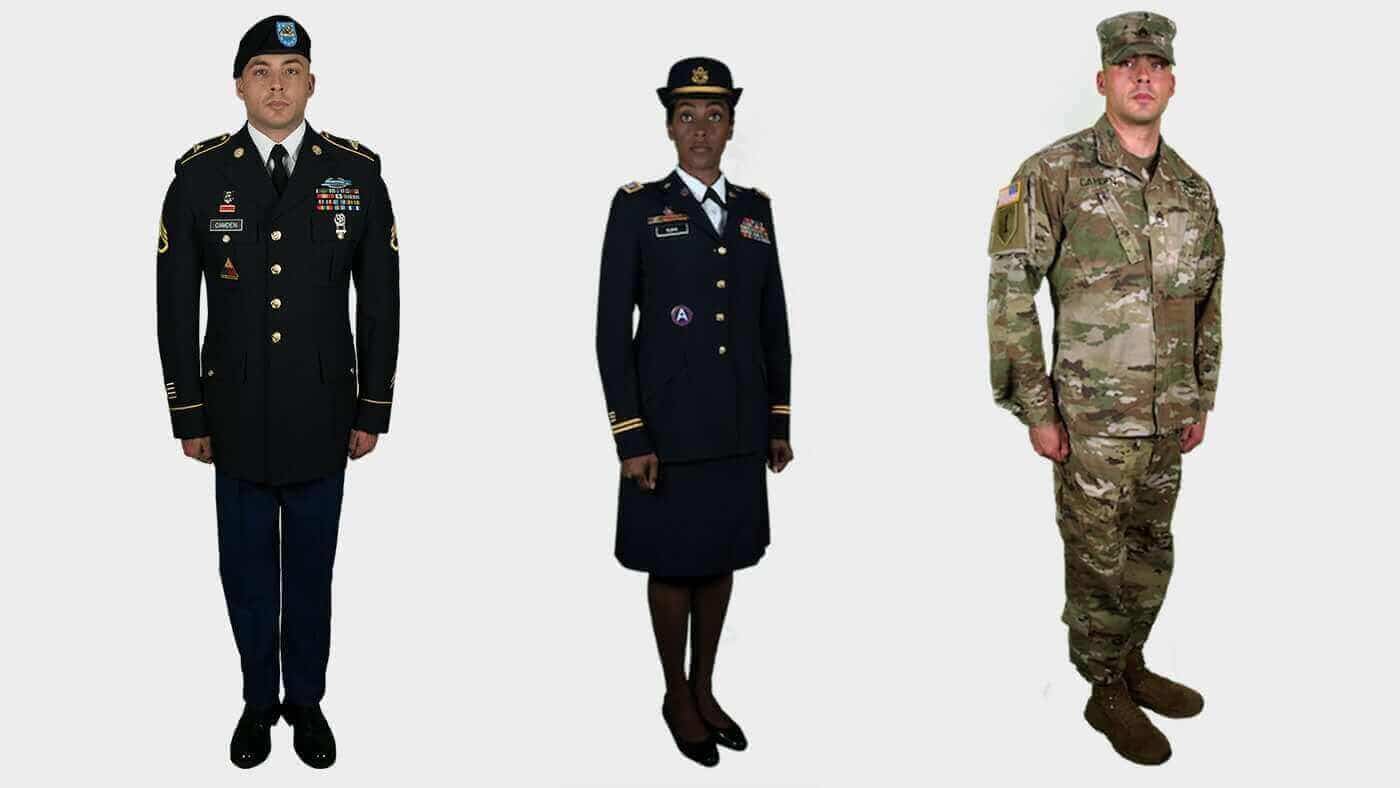
The U.S. Army does not have one uniform for every situation. Soldiers use different uniforms for field work, daily service, physical training, formal events, and ceremonial occasions.
For most people trying to understand the current system, the easiest way to think about Army uniforms is this:
- Army Combat Uniform (ACU): the Army's primary work, utility, and field uniform.
- Improved Hot Weather Combat Uniform (IHWCU): an authorized hot-weather combat uniform worn in OCP.
- Army Green Service Uniform (AGSU): the service uniform for professional environments.
- Army Service Uniform (ASU): the blue uniform moving into an optional formal and ceremonial role as the AGSU transition is completed.
- Army Physical Fitness Uniform (APFU): the uniform used for physical training.
This guide explains how those uniforms fit together, what the major components are, and where current Army policy matters. Soldiers setting up an actual uniform should always check current Army publications and command guidance.
What Uniform Does the U.S. Army Wear Today?
The current Army Combat Uniform in the Operational Camouflage Pattern (OCP) is the Army's primary work, utility, and field uniform. The Army also authorizes the Improved Hot Weather Combat Uniform for hot-weather use in OCP.
The Army Green Service Uniform is the Army's service uniform for professional settings. Under the Army's current transition plan, the blue Army Service Uniform has a wear-out date of September 30, 2027, and Soldiers are required to possess the AGSU beginning October 1, 2027. After that transition, the blue ASU remains available as an optional formal and ceremonial uniform.
For the latest official overview, see the U.S. Army Uniforms and Grooming Guide.
What Is the Army Combat Uniform?
The Army Combat Uniform (ACU) is the uniform most people associate with modern Army field and duty wear. Today's ACU uses the Operational Camouflage Pattern, commonly abbreviated OCP.
Typical components include an OCP coat and trousers, authorized undershirt, belt, boots, headgear, name tape, U.S. Army tape, rank insignia, unit insignia, and other authorized items. The exact setup depends on current Army policy, assignment, environment, and command direction.
ACU vs. OCP: What's the Difference?
ACU describes the uniform. OCP describes the camouflage pattern. "OCP uniform" is common shorthand, but Army Combat Uniform is the name of the uniform itself.
What Is the IHWCU?
The Improved Hot Weather Combat Uniform (IHWCU) is designed for hot-weather use and is authorized in OCP. It is separate from the standard ACU but fills the same broad work-and-field role in warmer conditions.
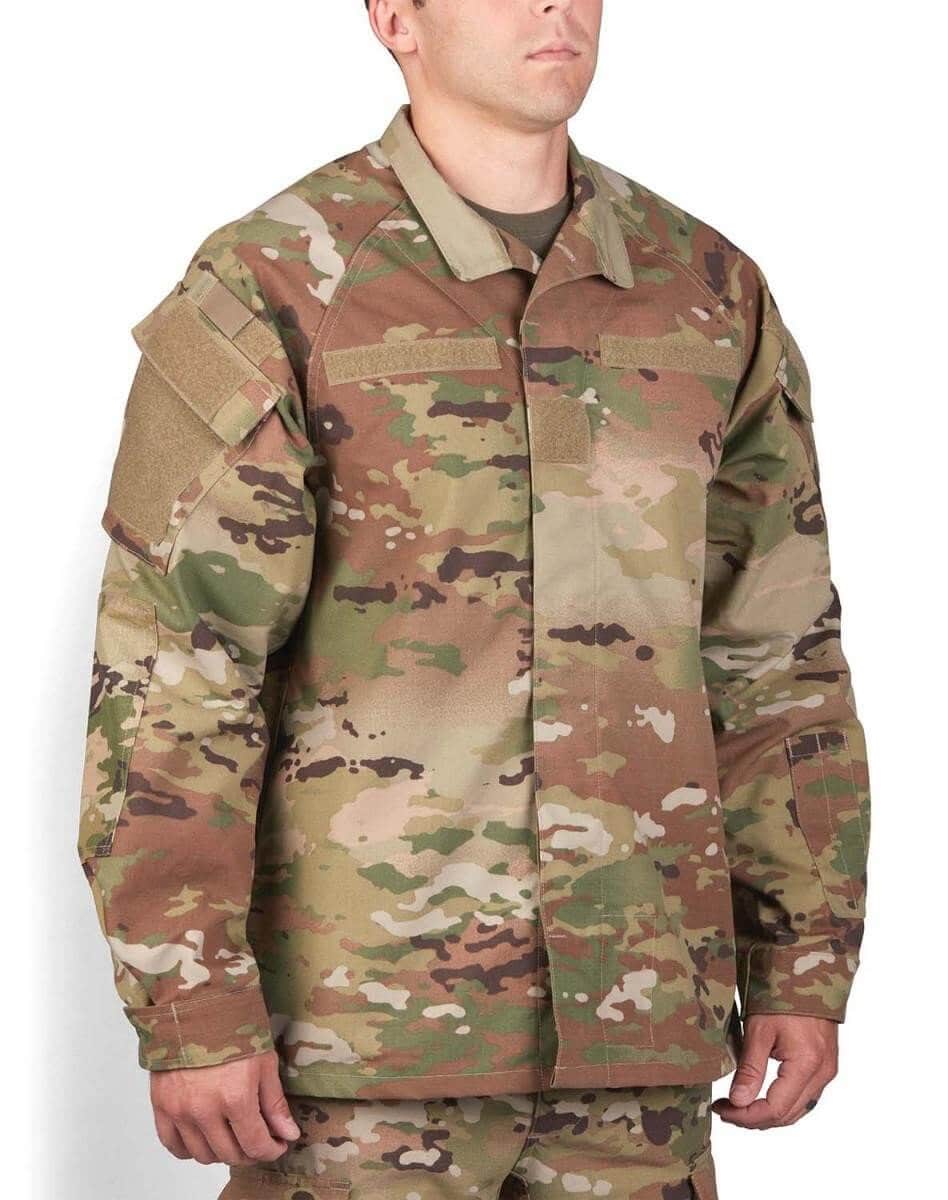
View the Propper Men's IHWCU Hot Weather Coat
What Is the Army Green Service Uniform?
The Army Green Service Uniform (AGSU) is the Army's service uniform for professional environments. Its design draws heavily from the service uniforms associated with the World War II era.
The AGSU is used in professional and public-facing settings where a combat uniform is not appropriate. Soldiers should use the current Army regulations and policy guidance for exact wear, insignia placement, and authorized combinations.
What Is the Blue Army Service Uniform?
The blue Army Service Uniform (ASU) has served in both service and dress roles. As the AGSU transition reaches completion, the blue ASU moves into an optional formal and ceremonial role.
That distinction is important because older articles may describe the ASU as the Army's primary service uniform without reflecting the current transition timeline.
What Does the Army Wear for Physical Training?
The Army Physical Fitness Uniform (APFU) is the Army's physical-training uniform. Current Army guidance identifies components such as black short- and long-sleeve shirts, black shorts, black running pants, a black-and-gold jacket, and authorized cold-weather accessories.
Main Types of Army Uniforms
| Uniform | Primary Purpose | Typical Setting |
|---|---|---|
| ACU / OCP | Work, utility, field wear | Garrison work, training, field operations |
| IHWCU | Hot-weather work and field wear | Hot-weather duty and training |
| AGSU | Service / professional wear | Office, recruiting, travel, professional events |
| ASU | Formal / ceremonial wear | Ceremonies and formal functions |
| APFU | Physical training | Unit PT and fitness events |
What Insignia and Patches Appear on Army Uniforms?
Depending on the uniform and the Soldier, authorized items can identify rank, name, Army affiliation, unit, qualifications, awards, badges, tabs, and prior wartime service.
Placement rules vary considerably by uniform. Anyone setting up a uniform for actual military wear should use current official guidance rather than relying on an older diagram, surplus reference, retailer page, or forum post.
What Regulations Govern Army Uniforms?
AR 670-1 establishes Army policy for the wear and appearance of uniforms and insignia, while DA Pam 670-1 provides detailed wear guidance. Army Directives and other official messages can also modify or supplement those publications.
Use the Army Publishing Directorate to confirm the current publication and associated directives before relying on a third-party summary.
What Boots Are Worn With the Army Combat Uniform?
The Army's public uniform guidance identifies tan or coyote leather boots for wear with the combat uniform. Not every boot marketed as "tactical," "military," or "combat" is automatically authorized for Army wear.
If you are buying footwear specifically for military use, verify that the exact model meets current Army and unit requirements.
A Short History of U.S. Army Uniforms
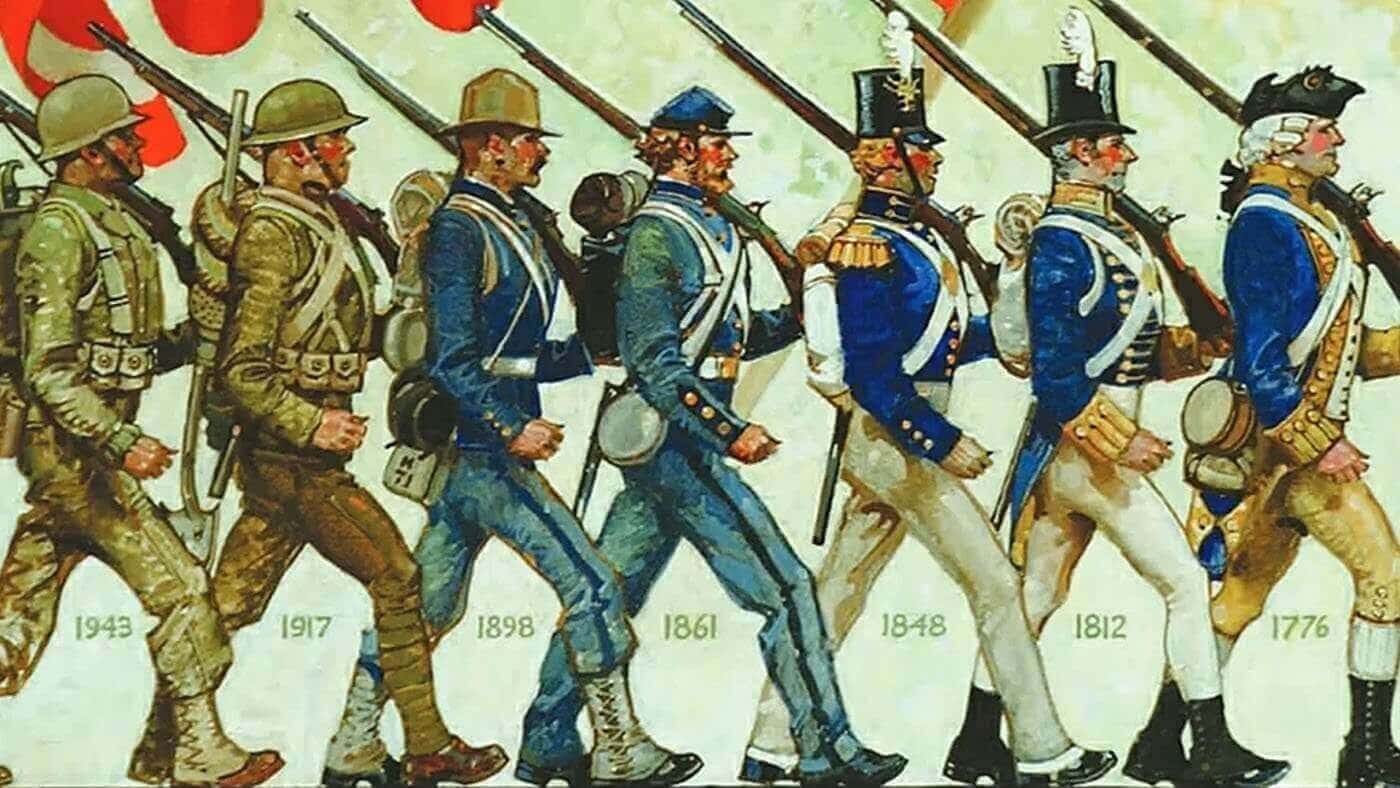
Army uniforms have changed repeatedly as warfare, manufacturing, climate requirements, military culture, and technology evolved.
Revolutionary War and Early Army
Uniform standardization was limited during the Revolutionary War, but blue coats became strongly associated with Continental and later U.S. military dress.
Civil War Era
By the Civil War, Army uniforms were more recognizable and standardized, although variations still existed by unit, rank, supply, and campaign.
World Wars
The twentieth century pushed Army clothing toward greater field practicality. Olive-drab and khaki uniforms became closely associated with American Soldiers during the World Wars. The modern AGSU deliberately draws visual inspiration from that heritage.
Vietnam Through the Late Twentieth Century
Changing combat environments accelerated the development of specialized field clothing and camouflage. Woodland camouflage later became one of the most recognizable U.S. military patterns of the late twentieth century.
UCP to OCP
The Army used the Universal Camouflage Pattern in the 2000s and later transitioned to the Operational Camouflage Pattern. OCP remains the camouflage pattern used on the current combat uniforms.
Can Civilians Buy Army-Style Clothing?
Military-style apparel, surplus clothing, tactical boots, camouflage garments, and commercially manufactured OCP products are commonly sold to civilians. Questions involving impersonation, insignia, military honors, or representations of military service can involve specific legal rules and are outside the scope of this buyer's guide.
Where Can You Shop for OCP and Military Uniform Gear?
LA Police Gear carries military and tactical apparel, OCP uniforms, hot-weather uniform pieces, and military footwear from multiple manufacturers.
Shop OCP uniforms or shop AR 670-1 footwear.
For official military wear, always verify the current requirements for your branch, unit, and intended uniform before purchasing.
Bottom Line
The easiest way to understand modern U.S. Army uniforms is by purpose. The ACU in OCP is the primary work and field uniform, the IHWCU fills the hot-weather combat role, the AGSU is the service uniform, the blue ASU is moving into a formal and ceremonial role, and the APFU covers physical training.
If you are learning about Army uniforms, those distinctions provide the framework. If you are actually wearing the uniform as a Soldier, always check current official Army guidance.