Listen to this article
Table of Contents
- 5.11 Tactical Controversy: Unpacking the Truth Buyers Need to See
- The Foundation: 5.11 Tactical's Origins and Market Dominance
- Unpacking the "Militarized Aesthetics" Controversy and Societal Perception
- The Buyer's Practical Guide: Product Quality, Pricing, and Availability
- Navigating Customer Service, Warranties, and Returns & Exchanges
- Privacy and Data: What 5.11 Tactical Collects and Why It Matters to You
- Making an Informed Decision: Weighing the Truth for Your Needs
- Conclusion: The Evolving Landscape of Tactical Brands and Empowering the Buyer
- 5.11 Tactical Controversy Timeline (Buyer‑Focused Overview)
- FAQs
5.11 Tactical Controversy: Unpacking the Truth Buyers Need to See
In the world of tactical gear, few brands command as immediate recognition as 5.11 Tactical. From the rugged durability of their pants to the utilitarian design of their backpacks and vests, 5.11 has carved out a significant niche, becoming synonymous with preparedness, professionalism, and a certain brand of civilian "readiness." Their gear is ubiquitous in law enforcement, military circles, and among outdoor enthusiasts and everyday individuals who value robust functionality. However, beneath the surface of this market dominance lies a complex tapestry of brand identity, marketing choices, and public perception that warrants a closer look. This article aims to peel back the layers, dissecting the 5.11 tactical controversy and providing you, the buyer, with the critical information needed to make an informed decision. We will explore the brand's origins, its controversial messaging, the realities of its product quality and pricing, and the often-overlooked aspects of customer service and data privacy.
The Dual Nature of a Tactical Icon: Trust and Scrutiny
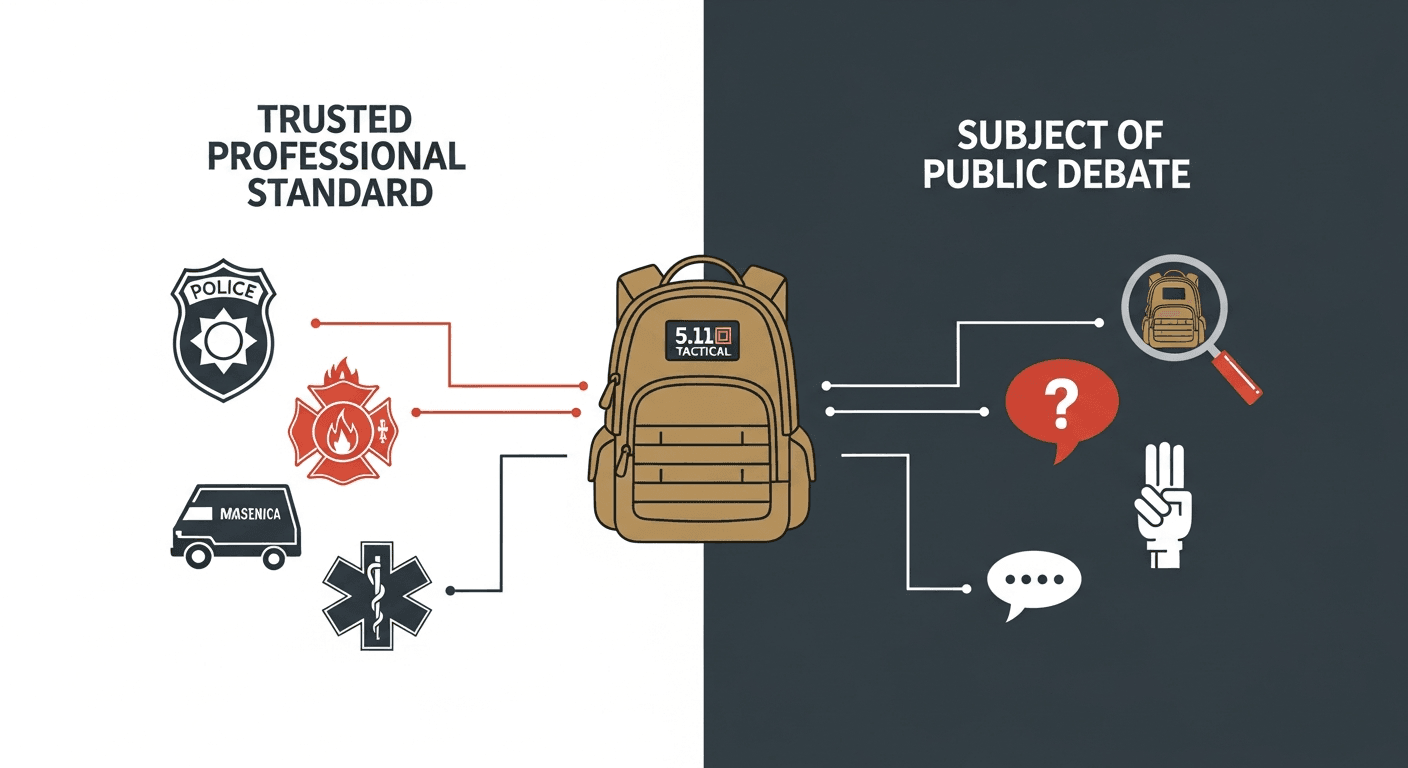 5.11 Tactical's brand identity balances its role as a trusted standard for professionals against the public scrutiny its 'tactical' image attracts.
5.11 Tactical has masterfully cultivated an image of reliability and preparedness. For many in demanding professions, their gear is not merely apparel or equipment; it's an extension of their operational readiness, a tool trusted to perform under pressure. This trust is built on years of association with uniformed services and a consistent product offering that emphasizes durability and functionality. Yet, this very association, coupled with specific marketing campaigns, has placed the brand under increasing scrutiny. The "tactical" aesthetic, while appealing to many for its implied capability, also raises questions about its broader societal impact and how it might be interpreted beyond its intended professional context. This duality – the trusted professional standard versus the subject of public debate – is central to understanding the 5.11 Tactical brand today.
Why Buyers Need to Look Deeper: Our Article's Mission
The mission of this article is to move beyond the glossy marketing and provide a comprehensive, unbiased examination of 5.11 Tactical. We aim to equip you with the knowledge to navigate the complexities of this brand, from its foundational principles to the practical considerations of purchasing its products. By unpacking controversies, scrutinizing product claims, and examining customer experiences, we want to empower you to make a choice that aligns with your values and your needs. We will address the common questions and concerns surrounding 5.11 Tactical, ensuring that your decision is based on a clear understanding of what lies beneath the brand's prominent logo.
The Foundation: 5.11 Tactical's Origins and Market Dominance
From Yosemite to Global Reach: A Brief History of 5.11 Tactical
The journey of 5.11 Tactical began not in a tactical training facility, but in the rugged terrain of Yosemite National Park. Originally a supplier of durable climbing pants, the brand’s iconic "5.11" designation, referencing a difficult climbing route, hinted at its commitment to toughness and performance. In 2003, the brand was acquired by Royal Robbins and underwent a significant pivot, focusing its attention on the professional market, particularly law enforcement and military personnel. This strategic shift laid the groundwork for its future dominance. The United States market, with its large number of federal, state, and local law enforcement agencies, provided fertile ground for growth. The company's expansion into a global presence has further solidified its position as a leading name in tactical apparel and gear.
Forging Identity: Ties to Law Enforcement and the "Tactical Market"
5.11 Tactical's rise to prominence is inextricably linked to its deep and enduring ties with law enforcement and military communities in the United States. The company actively courted these professionals, understanding that their endorsement and adoption of the gear would lend significant credibility. This strategy was highly effective, establishing 5.11 as the go-to brand for uniforms, tactical pants, duty belts, and a wide array of accessories. The "tactical market" itself is a specialized segment of the apparel and equipment industry, catering to individuals whose work or hobbies demand high levels of durability, utility, and specific features. By aligning itself so closely with these demanding professions, 5.11 built a brand image synonymous with readiness and professionalism.
The "Sheepdog" Ethos and Brand Positioning in the United States
Central to 5.11 Tactical's brand positioning in the United States is the concept of the "sheepdog." This ethos, popularized in certain law enforcement and security circles, categorizes individuals into three groups: sheep, wolves, and sheepdogs. The sheep represent the general populace, the wolves are the predators, and the sheepdogs are the protectors who stand between the two. 5.11 has embraced this narrative, positioning its gear as the essential equipment for those who identify as "sheepdogs" – those who are vigilant, prepared, and willing to act to protect others. This messaging resonates deeply with its core customer base, reinforcing the brand’s image as a symbol of defense and readiness. The global market for military tactical gear was estimated to be worth USD 14 billion in 2024 and is expected to grow significantly, highlighting the substantial demand from professional sectors that 5.11 has expertly tapped into.
Unpacking the "Militarized Aesthetics" Controversy and Societal Perception
The Appeal of Tactical Gear: Functionality Meets Image
The allure of tactical gear, exemplified by 5.11 Tactical's product line, lies in a potent combination of genuine functionality and a distinct aesthetic. For individuals in law enforcement, military, or security roles, the features such as reinforced stitching, ample pocketing, durable fabrics, and a professional, yet rugged, appearance are paramount. These attributes translate directly into enhanced performance and comfort during demanding work. Beyond these professional applications, this aesthetic has also permeated civilian culture. Many consumers are drawn to the perceived durability, practicality, and rugged image that tactical gear conveys, even if their daily work involves desk jobs or light outdoor activities. This appeal is amplified by the idea of preparedness, of owning gear that signifies a readiness for unexpected challenges. The global Tactical and Outdoor Clothing Market, valued at approximately USD 10.2 billion in 2023, demonstrates the substantial consumer interest in this category, indicating a widespread appreciation for such gear's attributes.
Public Scrutiny: When "Militarized Aesthetics" Spark Debate
The widespread adoption of tactical gear by civilians has, however, sparked considerable debate and scrutiny. Critics argue that the "militarized aesthetics" can contribute to a sense of unease or even intimidation in public spaces. The association with military and law enforcement equipment, when worn by individuals not directly engaged in those professions, can be perceived as an appropriation of authority or an overemphasis on a combative posture. This has led to discussions about whether the widespread availability and popularity of such gear normalize militarism or even encourage aggressive behavior. The news surrounding this topic often highlights instances where the conspicuous display of tactical gear has drawn attention, sometimes negative, raising questions about brand responsibility and societal impact.
Brand Messaging vs. Public Interpretation: The "Quiet Warrior Program" and its Nuances
5.11 Tactical has, at times, sought to refine its brand messaging to address some of these perceptions. One notable initiative was the "Quiet Warrior Program," which aimed to highlight individuals who embody the "sheepdog" ethos through quiet competence and dedication, rather than overt aggression. However, the effectiveness and interpretation of such programs can be complex. For instance, Vice’s reporting on the company’s past leadership and content, like the "Deadly Skills" series featuring instructors such as retired Navy SEAL Clint Emerson, has brought a more critical lens to the brand. This content, focusing on self-defense and survival skills, while appealing to a preparedness-minded audience, can also be seen as reinforcing the more aggressive undertones of the "tactical" image for some segments of the public. Understanding this tension between the brand’s intended messaging and its broader public reception is crucial for evaluating 5.11 Tactical.
The Buyer's Practical Guide: Product Quality, Pricing, and Availability
Assessing the Gear: Performance, Durability, and Design of Tactical Clothing (e.g., XPRT uniform, CVRT18 backpack, 5.11 pants, tactical vests)
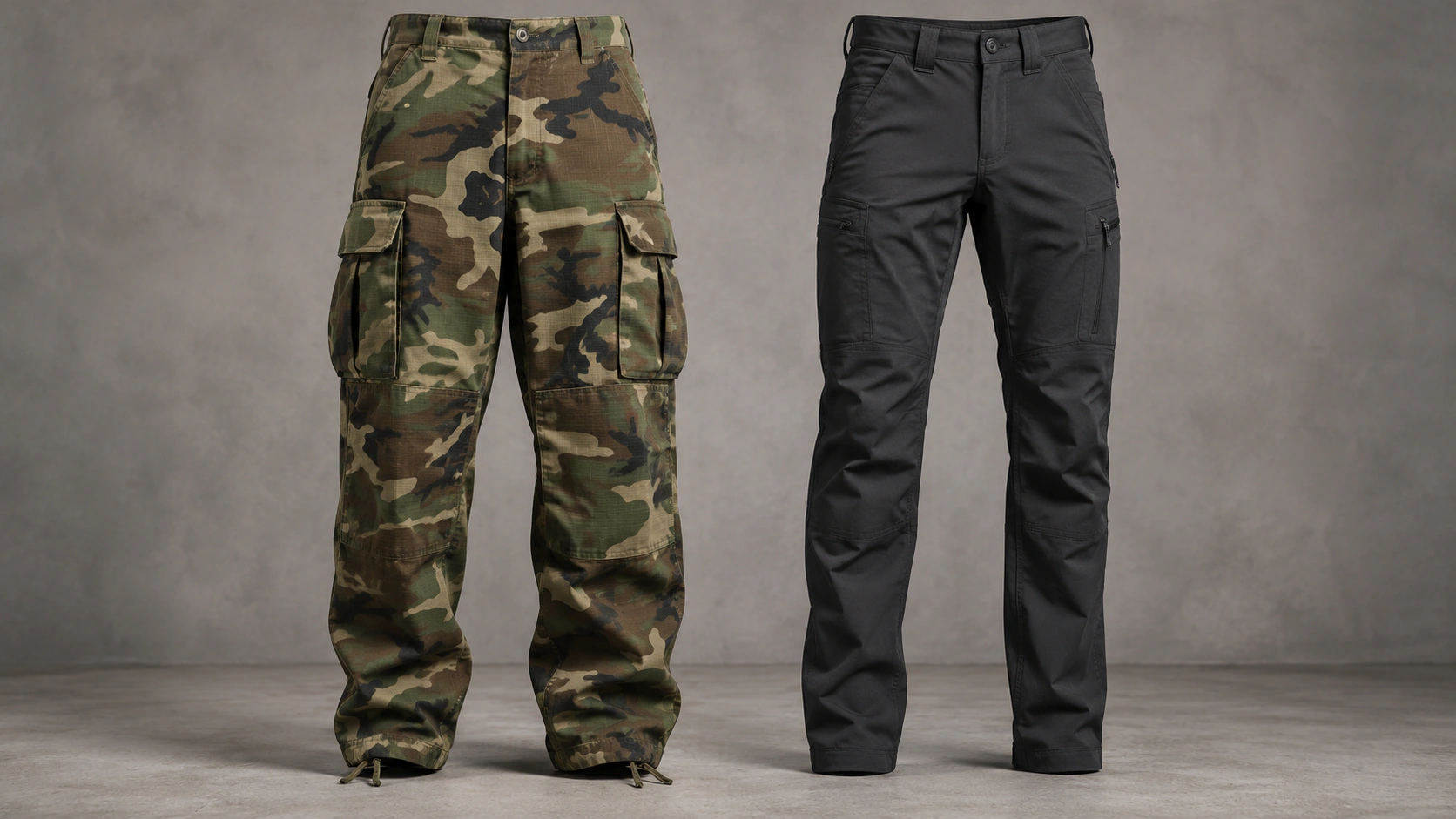
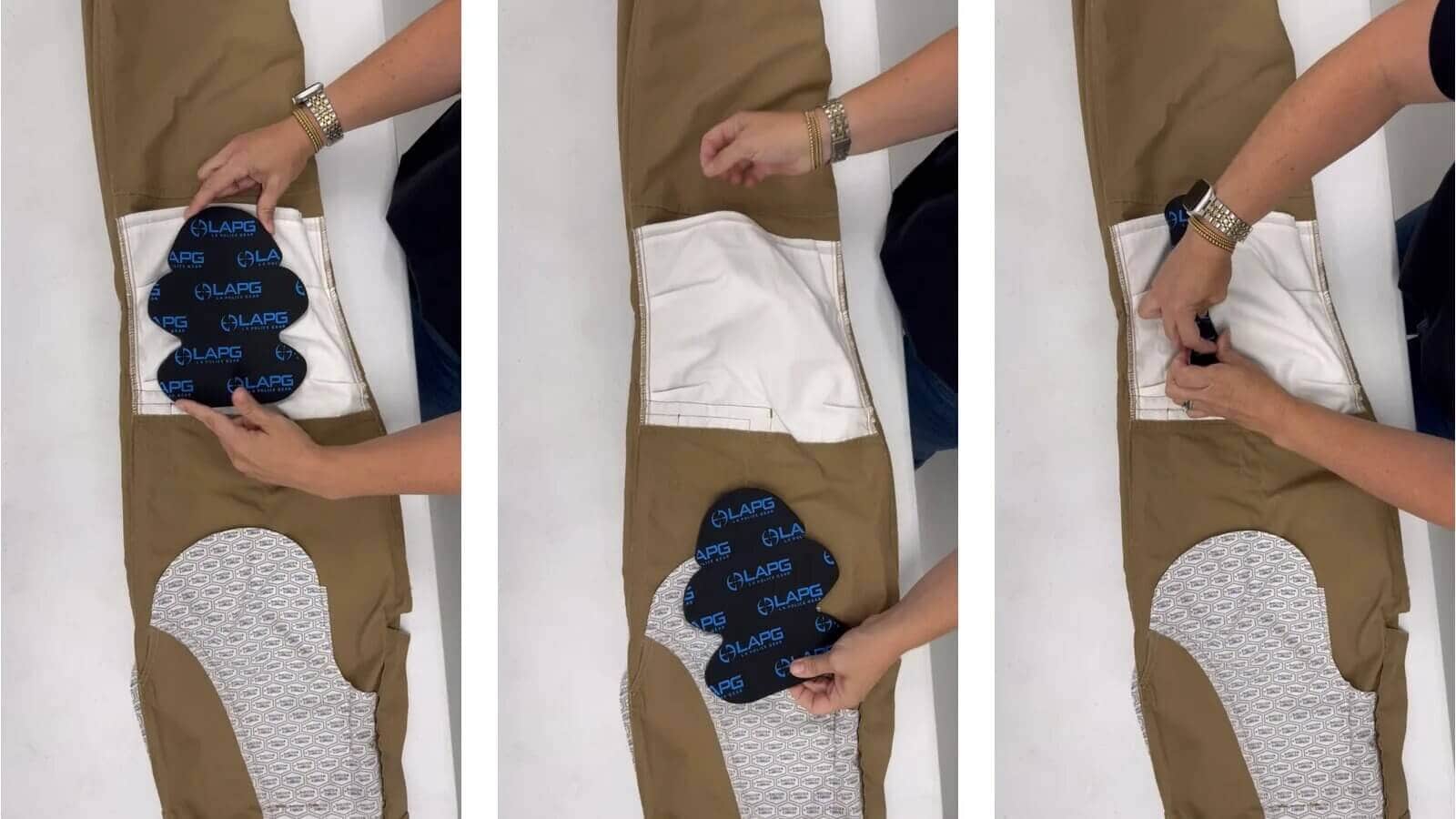
When evaluating 5.11 Tactical products, the core question for many buyers is: Is 5.11 Tactical a quality brand? Generally, 5.11 gear is known for its robust construction, durable materials, and thoughtful design features tailored for specific applications. For example, their 5.11 pants, such as the popular Stryke or Taclite models, are lauded for their ripstop fabric, reinforced knees, and ample pocket configurations, making them suitable for various types of work and outdoor activities. The XPRT uniform line is designed for maximum performance and durability in high-stress environments, incorporating advanced materials and construction techniques. Similarly, backpacks like the CVRT18 and tactical vests like the TacTec Plate Carrier are engineered with organizational capacity, load-bearing capabilities, and weather resistance in mind. While generally perceived as high-quality, individual user experiences can vary, and like any manufacturer, quality control can sometimes be a point of discussion.
Transparency in Pricing and Availability: What to Expect
5.11 Tactical positions itself as a premium brand, and its pricing reflects this. For example, popular items like the Stryke pant can retail for around $67, the RUSH 24 backpack for approximately $112, and the TacTec Plate Carrier for about $176. While these figures align with the high-quality materials and specialized features offered, they also mean that 5.11 gear is a significant investment. Availability is generally good, with a strong online presence and numerous retail stores across the United States and internationally. However, specific product lines or sizes can sometimes experience stockouts due to high demand, especially for items favored by professional organizations.
Common Quality Control Issues and Feedback from the Tactical Market
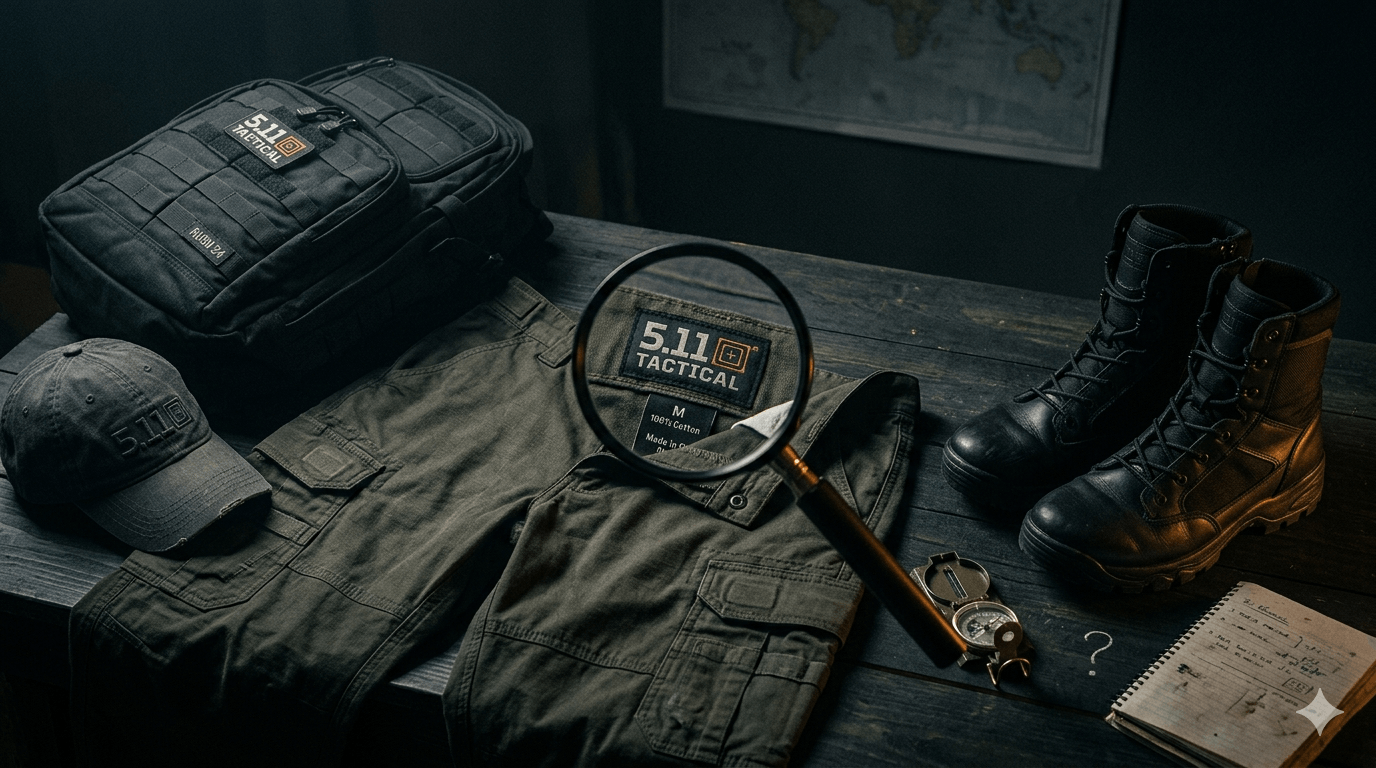
While 5.11 Tactical generally maintains a strong reputation for quality, some feedback from the tactical market points to occasional inconsistencies. These Complaints, often found on forums and review sites, can include issues such as premature seam splitting, zipper failures, or minor defects in fabric or stitching on specific batches of products. It's important to note that these reports are typically minority views within a vast customer base that largely praises the brand's durability. However, for a buyer investing in premium gear, awareness of potential quality control variances is important. The news from user communities often highlights that while the majority of experiences are positive, vigilance regarding product inspection upon receipt is advisable.
Navigating Customer Service, Warranties, and Returns & Exchanges
Understanding 5.11 Tactical's Warranty Information and Coverage
5.11 Tactical offers a Warranty that aims to provide peace of mind to its customers. The company typically extends a "100% Satisfaction Guarantee for 90 days" on its products. This means that if a customer is not completely satisfied with their purchase within this timeframe, they can typically return it for a refund or exchange, provided the item is in its original condition and accompanied by proof of purchase. Beyond this initial satisfaction guarantee, specific warranties may cover defects in materials or workmanship for a longer period, though these details are best confirmed on their official website or by contacting Customer Service. Understanding the specifics of the Warranty is a key step for any buyer, especially when investing in higher-priced items.
The Returns & Exchanges Process: A Buyer's Step-by-Step Guide
Navigating the returns and exchanges processes for any brand can be daunting, but 5.11 Tactical generally aims for a straightforward approach. Typically, the process involves initiating a return request through their website or by contacting Customer Service. You will likely need to provide your Order number and details about the reason for the return. For items within the 90-day satisfaction period, the process is usually quite smooth. You will be provided with a return authorization and instructions on how to ship the item back. It's crucial to ensure the product is in its original packaging and in resalable condition, unless the return is due to a defect. For defective items outside the initial 90 days but potentially covered by a longer Warranty, the process might involve more detailed inspection by the company.
Analyzing Customer Complaints: Common Issues and the Business Response
Analyzing Customer complaints provides valuable insight into potential pitfalls and the brand's responsiveness. Common issues reported by customers often revolve around product durability beyond normal wear and tear, sizing discrepancies between different product lines, or occasional challenges with the returns processes during peak seasons. When issues arise, 5.11 Tactical's Customer Service generally strives to resolve problems, often offering exchanges or troubleshooting advice. However, as with any large company, the consistency of Customer Service experiences can vary. It is wise to familiarize yourself with common Complaint themes and how the company has addressed them in the past, which can often be found in online consumer forums and reviews.
Privacy and Data: What 5.11 Tactical Collects and Why It Matters to You
Automatic Data Collection: Understanding Your Digital Footprint
When you visit the 5.11 Tactical website, or indeed most commercial websites, certain data is automatically collected to enhance user experience and for analytical purposes. This includes information gathered through Cookies, which are small text files stored on your device. These Cookies help the website remember your preferences, track your browsing activity, and manage items in your shopping cart. Furthermore, your web browser transmits technical information such as your IP address, the type of browser processes being used, and the pages you visit. Understanding these automatic data collection processes is the first step in comprehending how your digital footprint is managed when interacting with online retailers.
Personal Information: What is Collected and How It's Used
Beyond automatic data collection, 5.11 Tactical will request and collect personal information when you create an account, place an Order, or sign up for newsletters. This typically includes your name, shipping and billing addresses, email address, and phone number. When making a purchase with a Credit Card, this sensitive financial information is also processed. The company states that this information is used to fulfill your Order, communicate with you about your Order or promotional offers, improve its services, and personalize your shopping experience. They may also use this data for marketing purposes, including targeted advertising. It's important for your privacy that you understand how this personal information is being utilized.
Your Rights as a User: Privacy Policies and Legal Compliance
As a user, particularly one residing in regions with robust data privacy laws like California, you have specific rights regarding your personal information. 5.11 Tactical's Privacy Policy, accessible on their website, details what data is collected, how it is used, and how you can manage your preferences. Laws such as the California Consumer Privacy Act (CCPA) grant consumers rights to know what data is collected about them, to request its deletion, and to opt out of its sale. Understanding these rights ensures you can exercise control over your personal data. The company operates within the legal framework of the United States, adhering to relevant privacy regulations and aiming for compliance in its data handling processes.
Making an Informed Decision: Weighing the Truth for Your Needs
Key Considerations Before a 5.11 Tactical Purchase
Before committing to a 5.11 Tactical purchase, consider the confluence of factors discussed. The brand's historical association with law enforcement and its "sheepdog" ethos are core to its identity, which may or may not resonate with your personal values. Furthermore, news and public discourse surrounding the "militarized aesthetics" of tactical gear can be a deciding factor for some. It is also worth noting the origins of many apparel products. Does anyone have an issue with most of 5.11 being made in China? This is a frequent question, as while 5.11 is a United States-based company, like many global brands, manufacturing often takes place overseas. Understanding the supply chain and ethical sourcing practices is increasingly important, especially given that 84% of consumers would stop supporting a brand with poor environmental records and ethical compliance issues.
Is 5.11 Tactical Overpriced?
The question of whether 5.11 Tactical is overpriced is subjective and depends on your expectations and comparisons. While their gear is undeniably durable and feature-rich, the premium price point is also influenced by brand positioning and marketing. Competitors exist across a spectrum of price points, offering similar functionality at lower costs, or higher-end, specialized gear at even greater expense. The broad appeal and market dominance of 5.11 suggest that for a significant segment of consumers, the price is perceived as justified by the quality and brand reputation.
Is the Premium Price Justified by Features or Just Branding?
The justification for 5.11 Tactical's premium price is a nuanced debate. On one hand, the brand's commitment to rigorous testing, durable materials (like ripstop fabrics and reinforced stitching), and thoughtful design features catering to professional use undeniably contribute to higher production costs and, consequently, higher prices. Products like the XPRT uniform line, for example, are engineered with advanced materials and construction aimed at extreme durability. On the other hand, the strong brand identity, built through extensive marketing and association with law enforcement, also plays a significant role. The "sheepdog" ethos and the perceived readiness that comes with wearing the gear are powerful branding elements that consumers are often willing to pay for. The balance between tangible features and intangible brand value is where the perception of value is determined.
How 5.11 Pricing Compares to Competitors and In-House Brands
When comparing 5.11 Tactical's pricing, it sits comfortably within the mid-to-high range of the tactical and outdoor gear market. Brands like Vertx and Crye Precision often occupy a similar or even higher price bracket, focusing on specialized tactical apparel. Other brands might offer more basic utility at lower price points, while direct-to-consumer or store-brand options can provide competitive functionality for less. For instance, while a 5.11 tactical vest might cost around $176, similar items from other established brands could range from $100 to $300 or more, depending on specialization and materials. This pricing landscape suggests that 5.11 is positioned as a solid, reliable choice that balances quality with accessibility for its target market.
Beyond the Brand: Exploring Alternatives in the Gear Market
For buyers who find the 5.11 Tactical brand or its associated controversies unappealing, a wealth of alternatives exists. For professional-grade tactical apparel, brands like Vertx, Crye Precision, and UF Pro offer highly specialized gear, often with a focus on specific operational requirements. For those seeking durable outdoor or workwear with similar functional attributes but a less pronounced "tactical" aesthetic, brands such as Patagonia, Arc'teryx (for high-end outdoor), Carhartt, or Duluth Trading Company offer robust clothing and equipment. Exploring these options allows consumers to find gear that meets their functional needs while aligning better with their personal preferences and values. The broad market for tactical and outdoor clothing, projected to grow to USD 17.5 billion by 2033, ensures a wide array of choices are available.
Conclusion: The Evolving Landscape of Tactical Brands and Empowering the Buyer
5.11 Tactical stands as a significant player in the tactical gear industry, a testament to its strategic focus on durability, functionality, and a powerful brand ethos. Its deep roots in law enforcement and its "sheepdog" messaging have cemented its position in the United States and beyond. However, as we have unpacked, the brand is not without its controversies. The debate around "militarized aesthetics," public perception, and the interpretation of its marketing campaigns highlights the complex relationship between a brand and its societal impact.
For you, the buyer, this means taking a holistic view. The appeal of 5.11 gear is undeniable for its robust quality and thoughtful design, particularly for those whose work demands such attributes. Yet, it is crucial to weigh this against the brand's messaging, potential quality control nuances, and the increasing importance of consumer trust. In 2024, 71% of global consumers agreed with the statement, “I trust companies less than I did a year ago”, making transparency and ethical considerations more critical than ever. Furthermore, the rise of discerning consumers, particularly Gen Z, who 53% participate in economic boycotts, underscores the impact of brand actions.
Your role as a conscious consumer in the tactical gear space involves looking beyond mere product specifications. It means understanding the brand's cultural footprint, its approach to customer relations, and its commitment to privacy – your privacy. By examining product quality, Warranty information, Customer Service experiences, and how data is managed when you browse the website or place an Order, you can make a decision that aligns with your needs and values. The market offers a diverse range of options, from direct competitors to brands focusing on different aesthetics and ethical frameworks. Ultimately, informed choices empower you to support brands that resonate with your principles, ensuring your purchase is not just about gear, but about aligning with what matters most.
5.11 Tactical Controversy Timeline (Buyer‑Focused Overview)
2012–2016: Growing criticism over “tacticool” marketing As 5.11 expanded from law‑enforcement gear into mainstream lifestyle apparel, some buyers and media outlets began criticizing the brand’s heavy tactical‑identity marketing. This period marks the start of public perception issues around who the brand appeals to and how it’s used.
2017–2019: Quality‑control complaints increase During these years, forums and review sites saw more reports of inconsistent sizing, premature wear on pants, and stitching failures on belts and bags. While many users still praised durability, the gap between positive and negative experiences widened.
2020: Political visibility spikes 5.11 gear appeared more frequently at politically charged events covered by national media. Although the company did not endorse any groups, the visibility created a perception problem that still affects the brand’s reputation today.
2021–2023: Mixed customer‑service reviews Buyers increasingly reported slow email responses, long phone wait times, and inconsistent warranty outcomes. At the same time, in‑store customer service continued to receive strong reviews, creating a split experience depending on purchase channel.
2024: Confirmed data breach affecting online customers 5.11 Tactical disclosed a cyber incident that exposed payment card information for more than 27,000 online shoppers between July 12 and August 22. The company hired a cybersecurity firm, notified affected customers, and offered restoration services. This became one of the most widely discussed controversies in the brand’s history.
2025–Present: Ongoing debates about value vs. price Buyers continue to debate whether 5.11’s gear justifies its mid‑tier pricing. Many users praise comfort and availability, while others argue that competitors like Tru‑Spec, LA Police Gear or Propper offer similar performance for less. The brand remains popular but polarizing.
FAQs
Why do some buyers say 5.11 Tactical is controversial?
Most controversy comes from a mix of product‑quality debates, sizing complaints, and the brand’s strong association with law‑enforcement and “tactical lifestyle” marketing. Some users feel certain items—like the TacTec plate carrier—are over‑marketed relative to performance, while others report inconsistent sizing across pants and belts.
Did 5.11 Tactical have a data breach?
Yes. In 2024, 5.11 Tactical confirmed a cyber incident that exposed payment card information for more than 27,000 customers who purchased online between July 12 and August 22. The company hired a cybersecurity firm, notified affected customers, and offered restoration assistance.
Are 5.11 products lower quality than competitors?
Opinions vary widely. Some users compare 5.11’s quality to Tru‑Spec—“okay” but not premium—while others say 5.11 pants outperform budget competitors in durability and comfort. The brand’s gear is generally considered mid‑tier: not Crye‑level, but reliable for everyday use.
Why do people complain about 5.11 sizing?
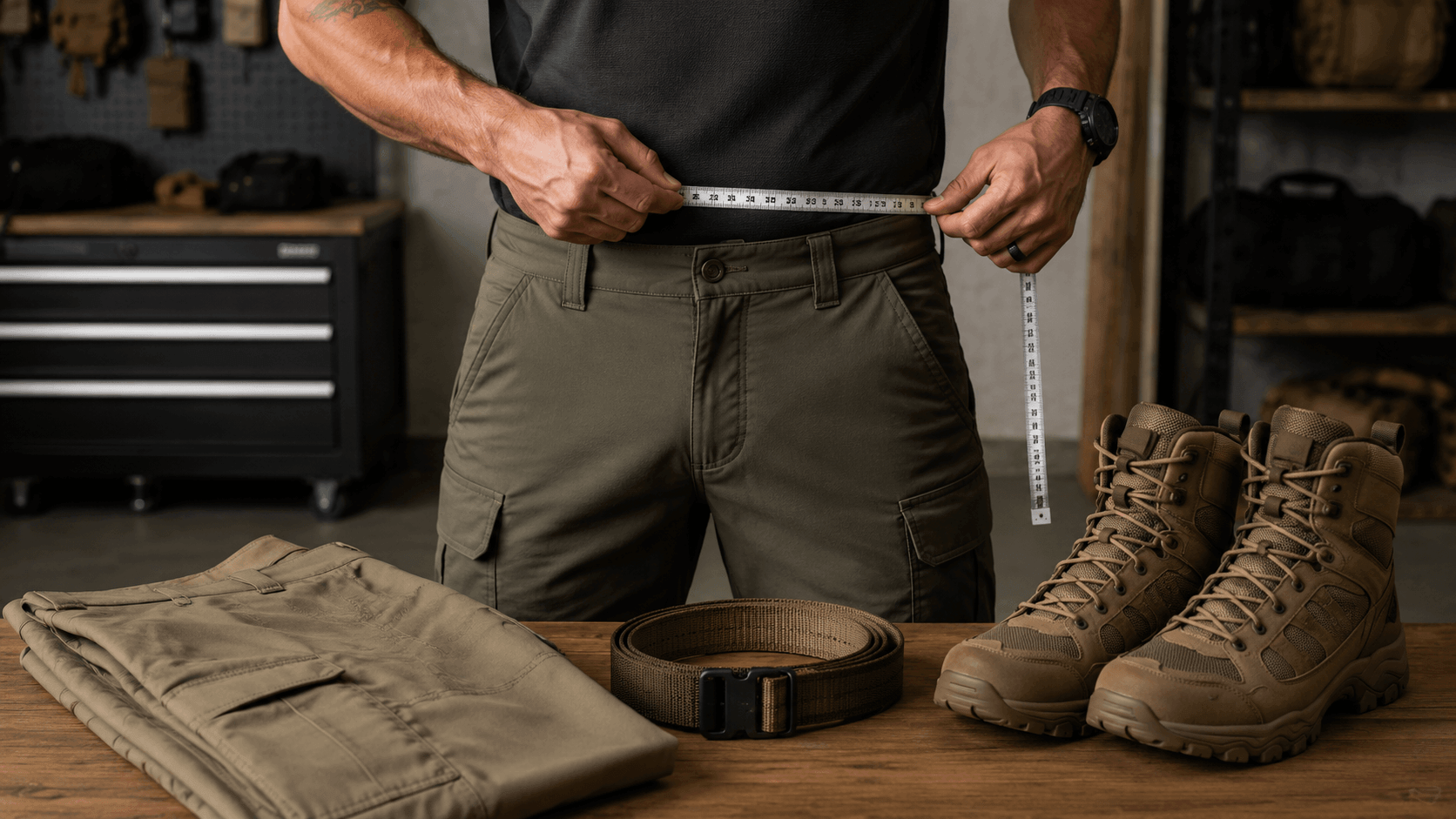
Buyers frequently report inconsistent sizing across pants, belts, and plate carriers. Some items run unusually large or small, and taller users often struggle to get a proper fit—especially with the TacTec carrier. These issues contribute to frustration among both casual buyers and professionals.
Does 5.11 Tactical include California Prop 65 warnings for harmful chemicals?
Yes. Some products include Prop 65 warnings because they may contain trace amounts of chemicals like BPA. These warnings don’t necessarily mean the product is unsafe—they’re required by California law to help consumers make informed decisions.
Is customer service a common complaint?
Customer reviews are mixed. Some shoppers report excellent in‑store support and long‑lasting gear, while others describe slow responses, long phone wait times, or difficulty resolving warranty issues. Overall ratings tend to fall in the mid‑range.
Should buyers still consider 5.11 Tactical gear?
If you want mid‑tier tactical apparel with strong brand recognition and wide availability, 5.11 remains a solid option. Just be aware of sizing quirks, check for updated security notices if shopping online, and compare alternatives if you need professional‑grade gear.