Listen to this article
Table of Contents
- When Disorientation Strikes: Your Immediate Actions
- Prioritizing Survival: Why Shelter Comes First
- Choosing Your Shelter Location: Safety and Strategy
- Natural Shelter: Adapting to Your Environment
- Essential Components for an Effective Shelter
- Beyond Shelter: Your Next Critical Survival Steps
- Prevention is Key: Planning for the Unexpected
- What's Next?
When the familiar trails disappear and disorientation sets in, the immediate aftermath can be overwhelming. Knowing the basic rules of survival, especially that shelter is the most important, can change a dangerous situation into one you can handle. This guide will give you the knowledge to take control and focus on your needs when you get lost and need shelter, what should you do first? It will help you pick the best shelter spot, use natural resources, build basic shelters, and combine these steps into a complete survival plan. By the end of this guide, you will possess the actionable steps and the strategic mindset to build a secure haven, conserve your energy, and significantly increase your chances of a safe return.
When Disorientation Strikes: Your Immediate Actions
The moment you realize you are lost, a cascade of emotions can ensue. It is critical to manage these feelings and engage your cognitive abilities immediately. Your initial response can set the tone for the entire survival scenario.
Acknowledging the Emergency: Combating Panic
The first and most challenging step is acknowledging the reality of your situation without succumbing to panic. Fear is a natural response, but unchecked, it can lead to poor decision-making, exhaustion, and a diminished capacity for problem-solving. Recognize the signs of rising panic: a racing heart, shallow breathing, clouded judgment, and an urge to move erratically. Take a conscious breath. Remind yourself that many people have faced similar situations and emerged safely. Your ability to remain calm is your most potent tool. This is not the time for despair; it is the time for action.
The S.T.O.P. Principle: Regaining Control
To counter panic and regain control, employ the S.T.O.P. principle. This acronym provides a structured mental framework to assess and manage the immediate crisis:
- S - Stop: As soon as you realize you might be lost, stop moving. Continuing to walk aimlessly will only exacerbate the problem and make it harder for potential rescuers to find you.
- T - Think: Engage your mind. What were your last known landmarks? When did you last check your bearings? What resources do you have available? This is where you begin to formulate a plan.
- O - Observe: Look around you. What is the terrain like? What is the weather doing? What time of day is it? Are there any immediate dangers or potential resources? This observation forms the basis of your plan.
- P - Plan: Based on your thinking and observations, create a plan. This doesn't need to be elaborate, but it should address your most immediate needs. The S.T.O.P. principle helps you move from a state of reactive fear to proactive problem-solving, providing a clear answer to the immediate challenge.
 Assessing Your Immediate Surroundings: Time, Weather, Injuries
Before you do anything big, quickly check your surroundings and how you feel.
- Time: Determine the approximate time of day. This is crucial for prioritizing tasks, especially shelter construction, which is most critical before nightfall. Knowing how much daylight you have left influences the urgency of your actions.
- Weather: Evaluate current and approaching weather conditions. Is it raining, snowing, or getting colder? Is the wind picking up? Understanding the elements you are up against will dictate the type and urgency of your shelter needs. Hypothermia is a significant threat, and its onset can be rapid in severe weather. Winter hiking, for instance, accounts for approximately 74% of search and rescue incidents BC Search and Rescue Association, 2025.
- Injuries: Conduct a quick self-check for any injuries. Even minor cuts or sprains can become debilitating if not managed. Address any immediate bleeding or pain that could impair your ability to move or build shelter. Your clothing can also be used for immediate wound dressing or as makeshift bandages.
Prioritizing Survival: Why Shelter Comes First
In any survival situation, establishing priorities is key to efficient resource allocation and increased chances of survival. Shelter consistently ranks as the most immediate and critical need.
The "Survival Rule of Threes" and Shelter's Urgency
The "Survival Rule of Threes" is a fundamental guideline for prioritizing human needs in a survival scenario:
- You can survive approximately 3 minutes without air.
- You can survive approximately 3 hours without shelter in extreme conditions.
- You can survive approximately 3 days without water.
- You can survive approximately 3 weeks without food.
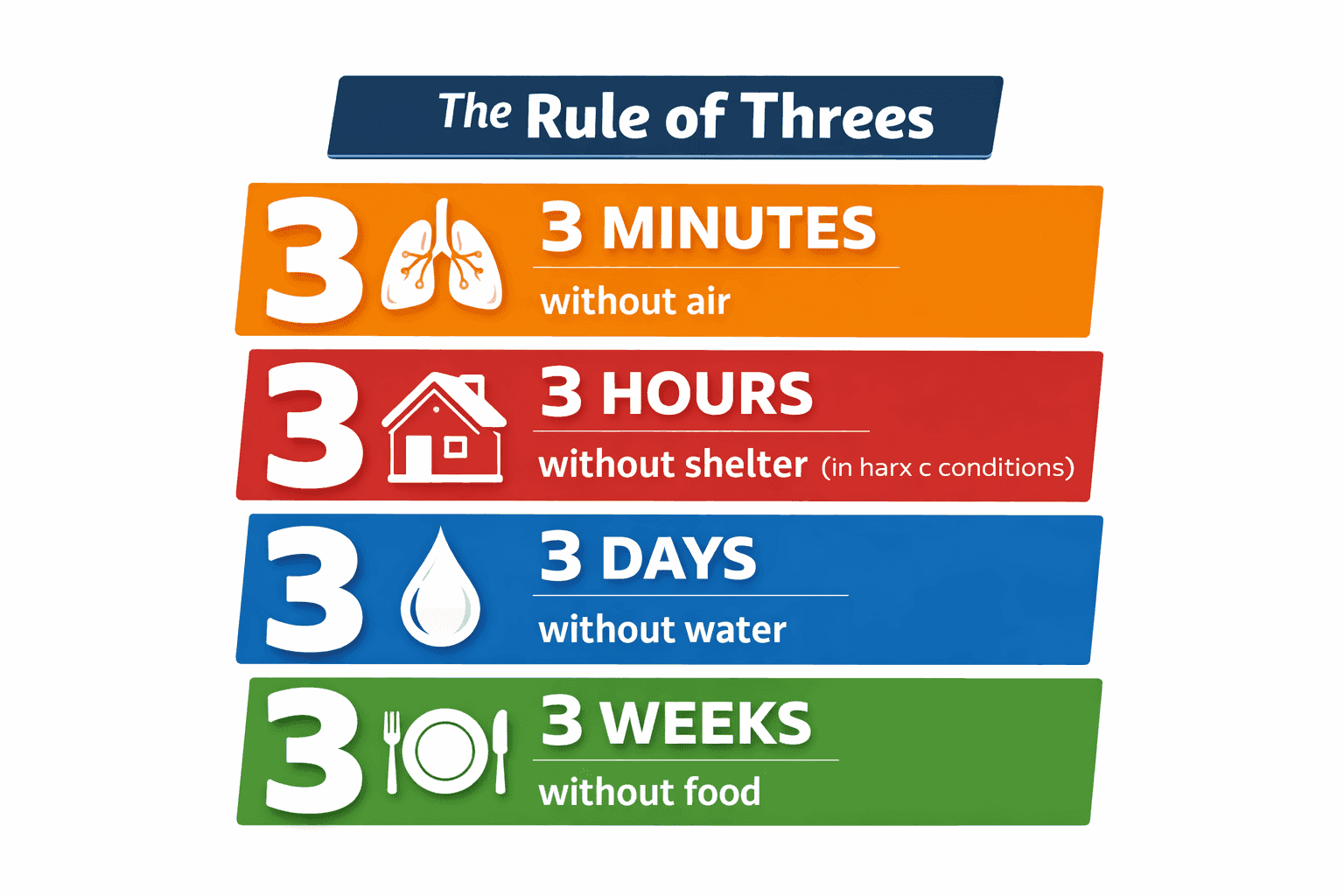
This rule starkly illustrates the immediate threat posed by exposure. In harsh conditions, the body can lose heat rapidly, leading to hypothermia, a potentially fatal condition. While water and food are vital for long-term survival, protection from the elements is paramount in the initial hours. The numbers show how urgent this is. From 2004 to 2014, more than 46,000 people needed rescue from state parks. Over 1,500 people died. Many deaths could have been avoided with good preparation, including having shelter. The Survival University.
Protection from the Elements: Battling Wind and Precipitation
Your primary role for shelter is to shield you from the elements. This includes protection from cold, wind, rain, snow, and sun. Exposed skin loses heat far more rapidly when subjected to wind and cold temperatures. A well-constructed shelter can reduce heat loss by as much as 80% by blocking wind and trapping insulating air. Rain and snow, especially with cold weather, make your body lose heat faster. This can cause hypothermia. Even in warmer climates, shelter from intense sun can prevent heatstroke and dehydration. Your clothing is your first line of defense, but it is severely compromised when wet or exposed to the wind.
Conserving Precious Body Heat and Energy
The human body expends significant energy maintaining its core temperature. In a survival situation, where calorie intake is limited and exertion may be high, conserving this energy is vital. Shelter plays a crucial role in this conservation. By providing a barrier against cold, wind, and moisture, it reduces the metabolic demand on your body. This allows you to conserve energy for more critical tasks like finding water, building a fire, or signaling. Without adequate shelter, your body will burn through its reserves quickly, leading to fatigue, confusion, and a diminished capacity to respond effectively.
The Psychological Boost: Finding Security and Control
A well-built shelter not only protects your body but also makes you feel safe mentally. It offers a defined, safe space in an otherwise unpredictable and disorienting environment. This sense of security can significantly reduce stress and anxiety, enabling clearer thinking and more rational decision-making. Having a base, a temporary camp, from which to operate, instills a sense of control, combating the feelings of helplessness that can arise when lost. This psychological uplift is as important as the physical protection, empowering you to tackle the subsequent challenges of survival.
Choosing Your Shelter Location: Safety and Strategy
The effectiveness of your shelter is heavily dependent on its location. A strategically chosen site can provide natural advantages, minimize risks, and facilitate access to essential resources.
Identifying Potential Hazards: Avoidance is Key
Your first consideration should be avoiding potential dangers. Look for signs of:
- Falling Hazards: Avoid areas directly beneath dead trees (widowmakers) or loose rock faces.
- Water Hazards: Steer clear of dry creek beds that could flood during heavy rain, low-lying areas prone to inundation, and the immediate vicinity of fast-moving water. Remember that natural disasters can cause significant displacements UNDRR, 2025.
- Animal Trails: Avoid building directly on obvious animal paths, as you may encounter wildlife unexpectedly.
- Insect Nests: Be aware of ant hills, beehives, and wasp nests, which can pose serious threats.
Harnessing Natural Terrain: Exploiting Advantages
Nature often provides pre-existing solutions that can be leveraged to your advantage.
- Windbreaks: Seek natural barriers like dense thickets of evergreens, rock outcroppings, or the lee side of hills to shield your shelter from prevailing wind.
- Overhangs: Rock overhangs or dense fallen tree canopies can offer immediate, albeit basic, protection and serve as the foundation for a more robust shelter.
- Elevated Ground: Choosing slightly elevated ground can help prevent water accumulation and improve drainage, keeping your camp dry.
Strategic Placement: Considering Wind Direction and Precipitation
Your shelter's orientation is critical for maximizing its protective qualities.
- Wind Direction: Position the opening of your shelter away from the prevailing wind. If you cannot avoid a windy location, orient your shelter so that the strongest winds strike its most robust side.
- Precipitation: If rain or snow is expected, ensure your shelter's roof is sloped to allow water to run off, away from your sleeping area. Avoid constructing your shelter in a way that creates a natural channel for water to flow into.
Proximity to Resources (Secondary): Water and Firewood
While immediate safety is paramount, consider the proximity of essential resources once your immediate location is deemed safe.
- Water: Being reasonably close to a water source is beneficial for hydration. However, do not camp directly next to a water source, as these areas can attract wildlife and be prone to flooding.
- Firewood: For a sustainable fire, which is critical for warmth, drying clothing, and signaling, you will need access to dry firewood. Choose a location that allows for easy collection of this vital resource without excessive effort. The global survival tools market, valued at $1.4 billion in 2023, demonstrates a growing need for equipment that aids in these critical tasks Allied Market Research, 2024.
Natural Shelter: Adapting to Your Environment
The quickest and often most effective shelter is one that already exists. Learning to identify and enhance natural features can save you significant time and energy.
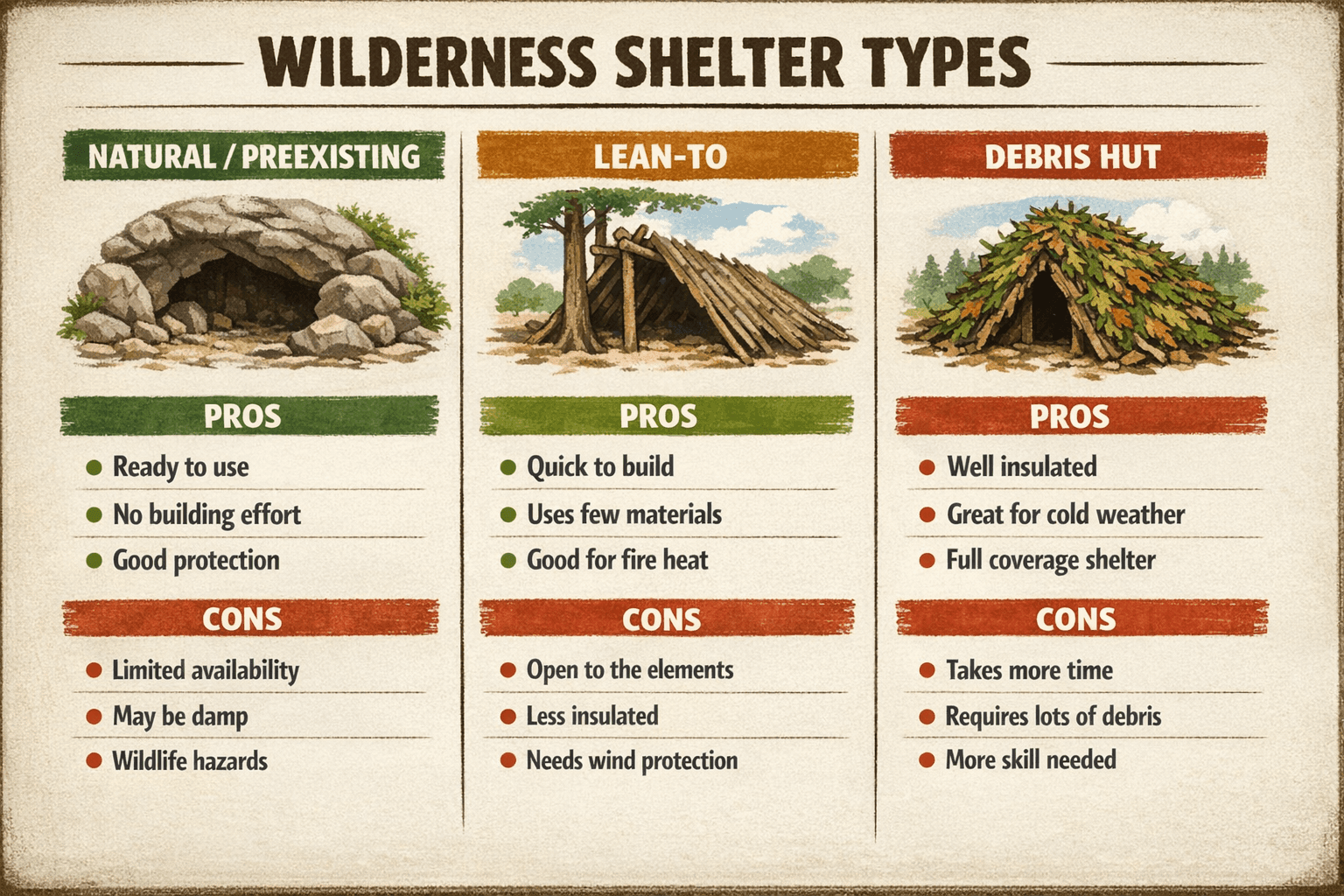
Enhancing Pre-Existing Shelter: The Easiest Path
Nature gives you several easy options for shelter.
- Dense Evergreens: The thick canopy of evergreens can provide excellent protection from rain and snow. Clear out the lower branches to create a usable space beneath. You can then augment this natural roof with additional branches and insulating materials like leaves.
- Fallen Trees: The space beneath a large, fallen tree can serve as a windbreak and a base for a lean-to or debris hut.
- Rock Overhangs and Caves: These offer immediate protection from precipitation and wind. Ensure the overhang is stable and not a den for animals. You can improve them by creating a windbreak at the entrance using branches and leaves.
Constructing the Basic Lean-To: A Quick Solution
The lean-to is a simple, effective shelter that can be constructed relatively quickly.
- Find a support: Locate a sturdy, low-hanging horizontal support such as a fallen log, a large rock, or a thick tree branch. Alternatively, prop a strong pole between two trees.
- Lean branches: Lean numerous branches against the horizontal support, creating a sloped roof. The denser you pack these, the better the protection.
- Add insulation and waterproofing: Cover the framework with smaller branches, leaves, pine needles, or bark to create a more solid and waterproof barrier.
This shelter is best suited for milder conditions or as a temporary solution to get out of the wind and light precipitation.
Building the Debris Hut: Your Insulated Cocoon
For more prolonged stays and colder conditions, the debris hut offers superior insulation and warmth.
- Frame: Construct a sturdy A-frame or lean-to frame using strong branches. The ridgepole should be long enough to accommodate your body length plus some extra space. Ensure it is well-supported.
- Ribbing: Lean smaller branches close together along the entire length of the frame to create a dense framework.
- Insulation: This is the critical step. Pile large amounts of dry debris – leaves, pine needles, moss, dry grass, ferns – onto the frame. You need a substantial layer, at least 2-3 feet thick, to create an effective insulating barrier. The goal is to trap air within the debris, which acts as insulation.
- Entrance: Create a small entrance that you can block off with more debris once inside. This minimizes heat loss.
The debris hut is designed to trap your body heat, creating a warm microclimate within your camp.
Essential Components for an Effective Shelter
Beyond the basic structure, several elements are crucial for maximizing your shelter's effectiveness in conserving heat and providing comfort.
Ground Insulation: The Foundation of Warmth
A common mistake is neglecting the ground. The earth is a significant heat sink, and any heat you generate will be rapidly drawn away if you are in direct contact with it.
- Materials: Collect dry leaves, pine needles, dry grass, or moss.
- Application: Create a thick, substantial bedding layer on the floor of your shelter. Aim for at least 6-12 inches of compressed material. This layer acts as insulation, preventing heat transfer from your body to the cold ground.
Wall Insulation: Trapping Heat Inside
Similar to ground insulation, the walls of your shelter need to trap air and prevent heat from escaping.
- Materials: Again, dry leaves, moss, bark, and dense vegetation are your best options.
- Application: Pack these materials thickly against the inside and outside of your shelter's frame. The thicker the layer, the better the insulation. For a debris hut, the sheer volume of piled debris serves this purpose.
Creating a Water Resistant Barrier: Staying Dry
It is hard to make a shelter completely waterproof without special materials. But you can make your shelter much better at keeping out water.
- Materials: Large pieces of bark (from fallen trees), wide leaves (like those of certain ferns or broadleaf plants), or dense layers of tightly packed evergreen boughs can be used.
- Application: Layer these materials like shingles on a roof, starting from the bottom and overlapping upwards, so that water flows down and away from the interior of your shelter. This barrier is crucial for preventing dampness, which can lead to chilling.
Maintaining Psychological Security: A Safe Space
As mentioned, the psychological benefit of a shelter cannot be overstated. It provides a sense of order and safety.
- Organization: Keep your shelter tidy. Store any essential gear within easy reach.
- Smallness: Paradoxically, a smaller shelter is often warmer. It requires less energy to heat and the confined space can be more comforting. Your shelter becomes your personal, secure camp.
Beyond Shelter: Your Next Critical Survival Steps
Once your primary need for shelter is met, you must address other life-sustaining priorities. These are not independent tasks but components of a larger survival system. The global outdoor gear market, valued at $61.14 billion in 2025, indicates a widespread interest in preparedness for such scenarios Global Growth Insights, 2025.
Locating and Purifying Water: Your Body's Fuel
Water is essential for survival. After securing shelter, finding a reliable source is the next priority. Look for flowing water like streams or rivers, or collect rainwater. If no clean source is apparent, you may need to purify suspect water by boiling it over a fire. Dehydration can set in quickly, leading to fatigue and impaired judgment.
Fire: Warmth, Morale, and Signal
A fire provides warmth, which is vital for drying clothing and preventing hypothermia. It offers psychological comfort and can be used for cooking food (though food is a lower priority than shelter, water, and fire). Crucially, a fire, especially one producing smoke, can serve as a powerful signal for rescuers. Ensuring you have access to dry firewood near your shelter is a key consideration during location selection.
Signaling for Help: Increasing Your Chances of Access
While focusing on self-preservation, always consider how to attract attention.
- Visual Signals: Build a large, smoky fire during the day (using green vegetation on top of burning firewood) and a bright, visible fire at night. Create ground signals using rocks or logs in an open area (e.g., "SOS").
- Auditory Signals: Use a whistle (three short blasts is a universal distress signal) or shout at regular intervals.
- Mirrors/Reflective Surfaces: If you have a mirror or any reflective object, use it to flash at aircraft or distant search parties.
Prevention is Key: Planning for the Unexpected
While this guide focuses on reactive survival, the most effective strategy is always proactive preparedness. Union County Search and Rescue's increasing call volume in 2025 underscores the growing need for better outdoor safety practices Elkhorn Media Group, 2026.
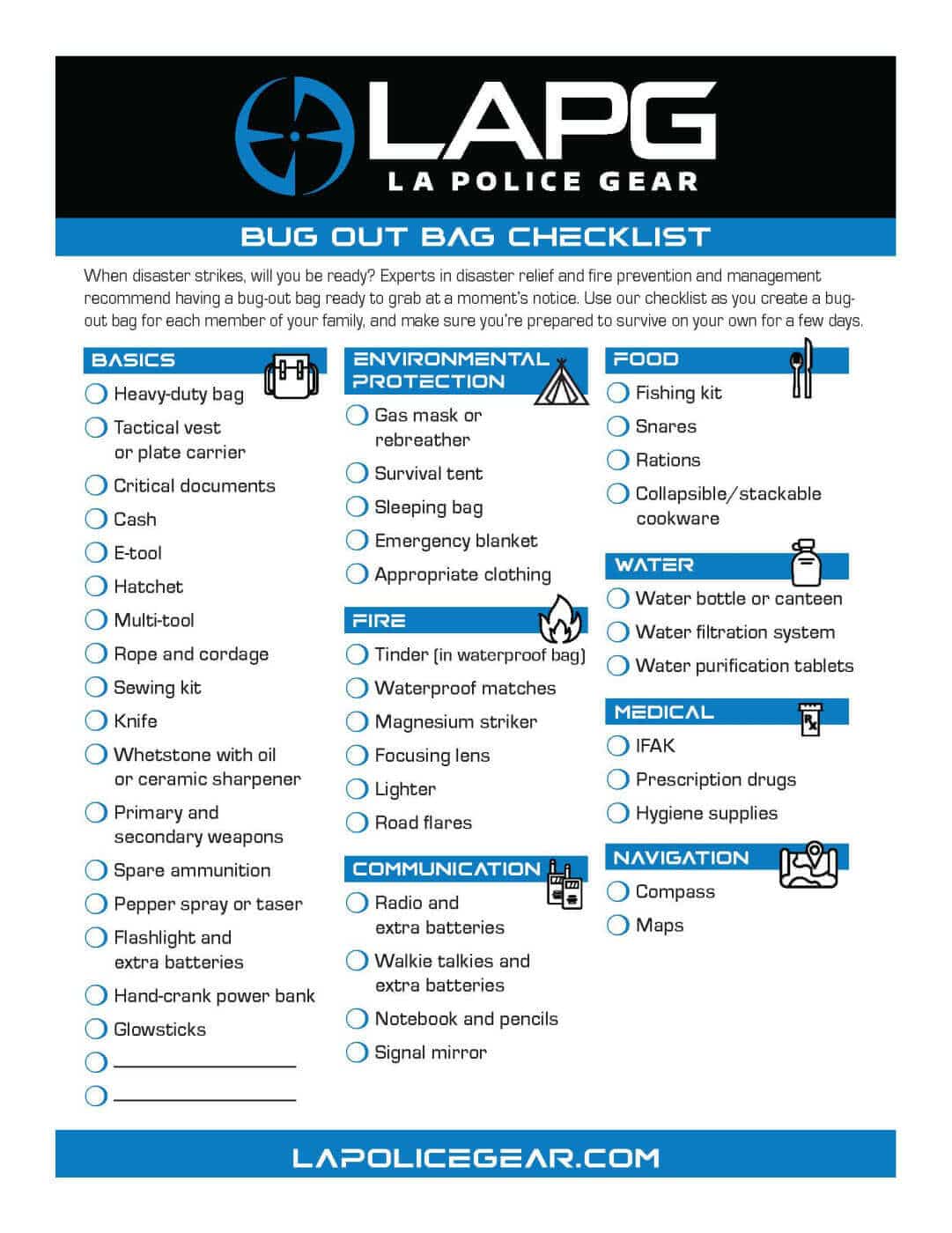
The Importance of an Emergency Survival Kit
A well-stocked emergency survival kit is your first line of defense. Essential items include:
- Navigation: Map, compass, and GPS device.
- Fire Starting: Waterproof matches, lighter, ferrocerium rod.
- Shelter: Emergency blanket, bivy sack, or tarp.
- Water: Water filter or purification tablets.
- First Aid: Comprehensive kit.
- Tools: Knife, cordage, multi-tool.
- Signaling: Whistle, signal mirror.
- Food: High-energy, non-perishable snacks.
The survival tools market is projected to grow significantly, highlighting the increasing recognition of their importance Survival Tools Market 2024-2028.
Sharing Your Itinerary and Intentions
Always inform someone reliable about your travel plans. Detail your intended route, expected return time, and the names of individuals accompanying you. This information is critical for search and rescue efforts if you do not return as planned. Oregon search and rescue teams do more than 1,000 missions each year. They depend on accurate information to rescue people successfully. Oregon.gov, 2025.
Mastering Basic Navigation and Weather Awareness
Invest time in learning basic navigation skills, including how to use a map and compass. Understand how to read weather patterns and be aware of forecasts before you depart. Being prepared for varied conditions will significantly reduce the likelihood of becoming disoriented or caught unprepared.
What's Next?
You have now learned the critical steps to take when faced with the urgent need for shelter after becoming lost. You understand why it is very important to find shelter first in the first hours. You know how to choose a safe and good place for shelter. You also know how to use natural shelter or build simple shelters like a lean-to and debris hut. You've also seen how these actions form the foundation of a larger survival system, incorporating water, fire, and signal.
Your next steps should focus on reinforcing this knowledge through practice and integrating proactive preparedness into your outdoor endeavors.
- Practice Shelter Construction: Visit a safe, controlled outdoor environment and practice building a lean-to and a debris hut. Understanding the physical process will solidify your learning far more than passive reading.
- Assemble an Emergency Kit: Begin assembling your personal emergency survival kit, ensuring it includes the essential components discussed.
- Learn Basic Fire Starting: Practice starting fires using various methods, understanding how to gather and prepare firewood.
- Study Navigation: Learn to use a map and compass effectively.
- Inform Others: Make it a habit to share your trip plans with a trusted contact before every outdoor excursion.
By consistently applying these principles and engaging in regular practice, you can transform your response to an unexpected situation from one of fear to one of confident, capable action. Your preparedness is your most reliable survival tool.