Table of Contents
- Introduction: The Hunter's Essential Gear
- The Foundation of a Successful Hunt: Why Boots Matter
- Common Hunter Frustrations: The Cost of Wet, Cold Feet
- What Makes a Superior Waterproof Hunting Boot?
- Beyond the Puddle: Advanced Waterproofing Technologies
- Engineered Warmth: Mastering Insulation for Every Season
- Built to Endure: Superior Durability and Construction
- Grip & Go: Advanced Traction for Unstable Terrain
- Hunter-Centric Comfort: Designed for Extended Wear
- Choosing Your Perfect Pair: A Hunter's Buying Guide
- Maximizing Longevity: Care and Maintenance
- Shopping Considerations
- Conclusion
Introduction: The Hunter's Essential Gear
The thrill of the hunt is an ancient pursuit, connecting us to the wild and demanding the best from both hunter and gear. For any serious outdoorsman, the foundation of a successful outing rests on reliable, high-performance footwear. When navigating the unpredictable challenges of the wilderness, particularly in wet conditions, the right pair of waterproof hunting boots isn't just an accessory; it's a critical piece of equipment that can mean the difference between a triumphant day in the field and a miserable retreat. This article will guide you through the essential features, technologies, and considerations for selecting waterproof hunting boots that will keep your feet dry, comfortable, and ready for any adventure, ensuring your focus remains on the hunt, not on your discomfort. The global waterproof footwear market, valued at approximately USD 17.2 billion in 2023, is projected to reach USD 27.9 billion by 2033, expanding at a CAGR of 4.8%, underscoring the significant demand for reliable waterproof solutions in various outdoor activities, including hunting (datahorizzonresearch.com).
The Foundation of a Successful Hunt: Why Boots Matter
Hunting boots are far more than mere footwear; they are an extension of the hunter, providing essential support, protection, and comfort across diverse and often unforgiving terrains. The wrong pair can lead to a cascade of problems that directly impact your performance and enjoyment. From providing critical traction on slippery inclines to insulating your feet against the cold, well-chosen boots are indispensable. They protect against abrasions from rocks, thorns, and rough ground, and crucially, they serve as the first line of defense against the elements, particularly water. Without them, your ability to stalk game, endure long hours in the blind, or traverse miles of wilderness is severely compromised.
Common Hunter Frustrations: The Cost of Wet, Cold Feet
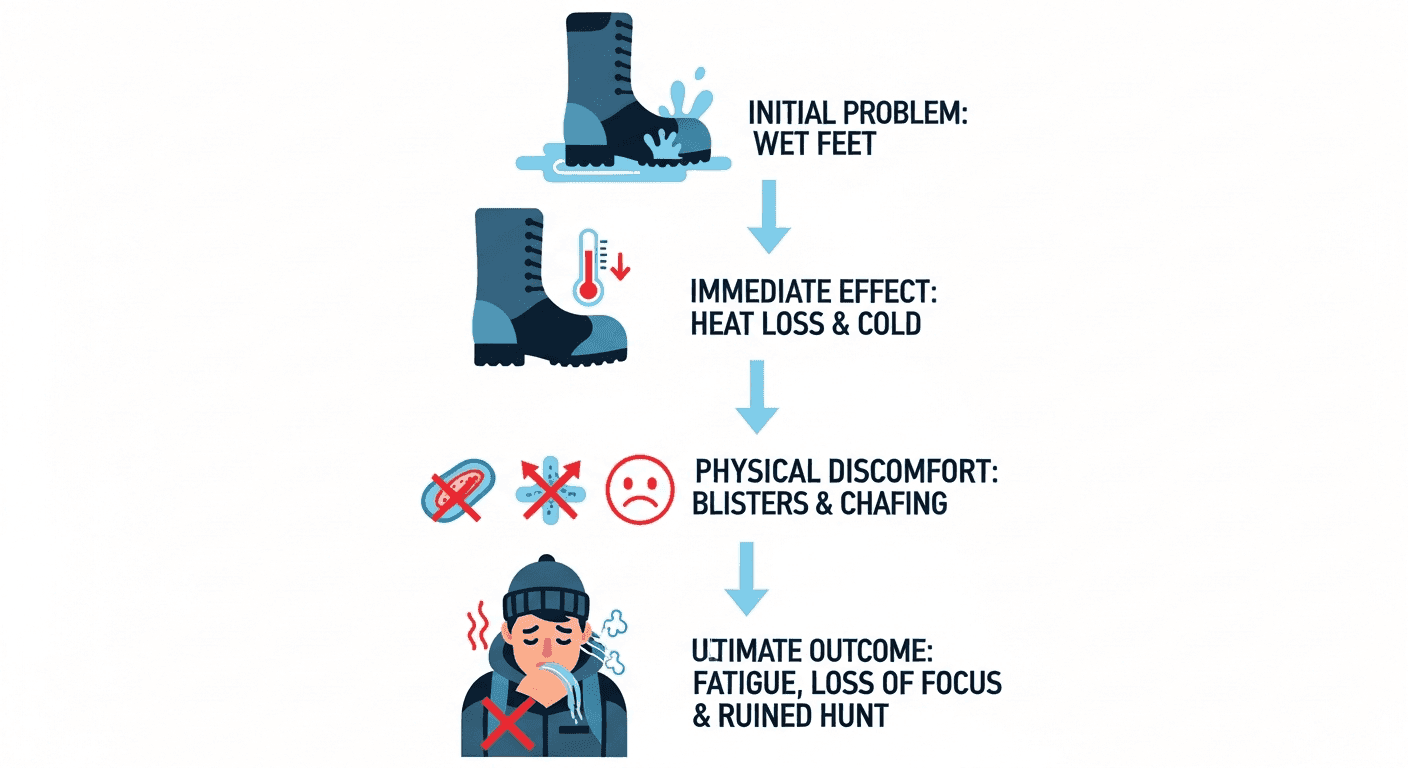
The cascade effect of wet feet can quickly compromise a hunter's performance, comfort, and safety.
Few experiences are as detrimental to a hunter's morale and physical well-being as enduring cold, wet feet. This common frustration can manifest in several ways, each diminishing the hunting experience. Blisters, chafing, and a general feeling of discomfort reduce mobility and focus. When your feet are cold, your entire body temperature drops, leading to fatigue and an increased susceptibility to hypothermia. This discomfort can force an early end to a hunt, regardless of how promising the conditions might be. Statistics reveal that between 2016 and 2020, over half of nonfatal firearm-related hunting incidents involved injuries to extremities like feet and legs, highlighting the importance of protective gear in preventing harm (ammo.com). Ultimately, wet and cold feet undermine the hunter's ability to remain stealthy, patient, and alert, impacting success rates.

What Makes a Superior Waterproof Hunting Boot?
A superior waterproof hunting boot is a complex system designed to combat moisture, regulate temperature, and provide unwavering support. At its core, effective waterproofing is achieved through a combination of advanced membrane technology and meticulous construction techniques. Beyond staying dry, these boots must offer appropriate insulation for the expected climate, robust durability to withstand rough use, and superior traction for safe movement. Comfort is paramount, especially for extended wear, demanding attention to fit, cushioning, and internal support systems. The interplay of these elements creates footwear that actively enhances the hunting experience, rather than detracting from it.
Beyond the Puddle: Advanced Waterproofing Technologies
The promise of staying dry in challenging environments hinges on sophisticated waterproofing technologies integrated into modern hunting boots. This goes beyond simply coating materials; it involves engineered layers and construction methods that create an impenetrable barrier against external moisture while allowing internal moisture to escape.
The Core of Dryness: The Imperative Waterproof Membrane
The heart of any waterproof boot lies within its membrane. These are typically thin, microporous or monolithic films made from materials like expanded polytetrafluoroethylene (ePTFE) or polyurethane. In ePTFE membranes, the pores are much smaller than a water droplet but larger than a water vapor molecule, allowing sweat to escape as vapor while blocking liquid water. Some advanced products utilize proprietary technologies, aiming for a balance of absolute waterproof protection and breathability. For example, one brand highlights their "nanoporous technology" for air permeability, ensuring feet dry even during strenuous activity. While men's waterproof deck and rain boots receive an average rating of 4.13 with "Comfortable" being a universally praised aspect, "Not durable" is also frequently cited as a negative, indicating the importance of balancing waterproofing with robust construction.

The Breathability Advantage: Preventing the "Sweaty Foot" Syndrome
A common paradox in waterproof gear is the potential for internal moisture buildup. When the body exerts itself, it generates sweat. If a waterproof boot isn't breathable, this sweat condenses inside, leading to the dreaded "sweaty foot" syndrome, which can be just as uncomfortable as external wetness. High-quality waterproof membranes are designed to be breathable, allowing perspiration vapor to escape. This construction is crucial for maintaining comfort during long treks or in humid climates. The goal is to keep the feet dry from both external water ingress and internal sweat accumulation, a balance that advanced materials and engineering strive to achieve.
Sealing the Deal: Flawless Waterproof Construction
The waterproof membrane is only one component of a truly waterproof boot. Flawless construction is equally vital. This involves several key elements:
- Seam Sealing: All seams where different pieces of material are joined must be sealed with waterproof tape to prevent water from seeping through.
- Gusseted Tongues: The tongue of the boot should be attached to the sides of the upper, creating a barrier that prevents water, mud, and debris from entering through the lacing area.
- Material Choice: The outer materials themselves can contribute to waterproof performance. High-quality leathers, when properly treated, offer good water resistance, while rubber and neoprene are inherently waterproof, often used for boot shafts or full muck boots designed for extreme wet conditions.
The cumulative effect of these design features creates a robust shield against the elements.
Engineered Warmth: Mastering Insulation for Every Season
While staying dry is paramount, maintaining warmth in challenging wet conditions is equally vital for hunter comfort and performance. Insulation is the key to trapping body heat and providing a thermal barrier against the cold.
Understanding Insulation Types and Gram Counts
Insulation in hunting boots is typically measured in grams per square meter (gsm), often referred to as "gram counts." Common insulation levels range from 200g for milder conditions to 1000g or more for extreme cold. The type of insulation also matters; common materials include Thinsulate, PrimaLoft, and various fleece or synthetic fills. Higher gram counts generally mean more warmth, but they can also add bulk and reduce breathability if not well-integrated. Choosing the right gram count depends on the expected ambient temperature and the hunter's personal metabolism. For instance, boots designed for late-season hunts in sub-zero temperatures often feature 1000g or 1200g of insulation, while early-season models might use 400g.
The Science of Keeping Warm: Layering and Heat Retention
Effective warmth is a result of smart design and personal strategy. Insulated boots work by trapping air, which acts as an insulator. The more effectively the boot can retain this trapped air and prevent heat loss, the warmer your feet will be. This principle is amplified by wearing appropriate socks, ideally moisture-wicking wool or synthetic blends, which create an additional layer of insulation and help manage internal moisture. The boot's outer materials and construction also play a role, preventing cold winds from penetrating and robbing heat.
Multi-Season Adaptability: Finding the Right Balance
Selecting insulated hunting boots requires considering the primary hunting season. Early fall hunts in milder climates may only require 200-400g of insulation, prioritizing breathability and lighter weight. As temperatures drop and winter approaches, higher gram counts become essential for sustained warmth. Some hunters opt for multiple pairs of boots to suit different conditions, while others seek versatile products that offer a good balance for a range of temperatures, perhaps with removable liners or advanced thermal management systems. The selection process should align with where and when you hunt most frequently.
Built to Endure: Superior Durability and Construction
Hunting boots are subjected to significant abuse. They navigate rough terrain, endure constant flexing, and are exposed to mud, water, and abrasive elements. Therefore, superior durability and robust construction are non-negotiable features for any quality pair.
Robust Materials for Rugged Terrain
The materials used in hunting boot construction directly dictate their longevity and performance. Full-grain leather is a traditional choice, offering excellent durability and water resistance when properly treated. Modern boots often incorporate synthetic materials and advanced textiles for lighter weight and enhanced performance. Rubber is frequently used for toe caps, heel counters, and sometimes the entire lower section of the boot for maximum waterproof protection and abrasion resistance. Materials like Dyneema, known for its exceptional strength-to-weight ratio and cut resistance, are sometimes integrated into high-wear areas to provide unparalleled durability without adding significant bulk.
Foundation of Strength: Sole and Shank Boot Construction
The sole and shank are the structural backbone of any boot. The outsole, typically made from durable rubber compounds, provides traction and wear resistance. The midsole offers cushioning and shock absorption, critical for reducing foot fatigue during long days afield. The shank, a rigid piece inserted between the outsole and midsole, provides crucial support to the arch of the foot, preventing excessive flexing and enhancing stability on uneven ground. A well-designed sole and shank construction is fundamental to both comfort and the overall structural integrity of the hunting boot, ensuring it can withstand the rigors of the hunt for years.
Lacing Systems for Secure Fit and Ease of Use
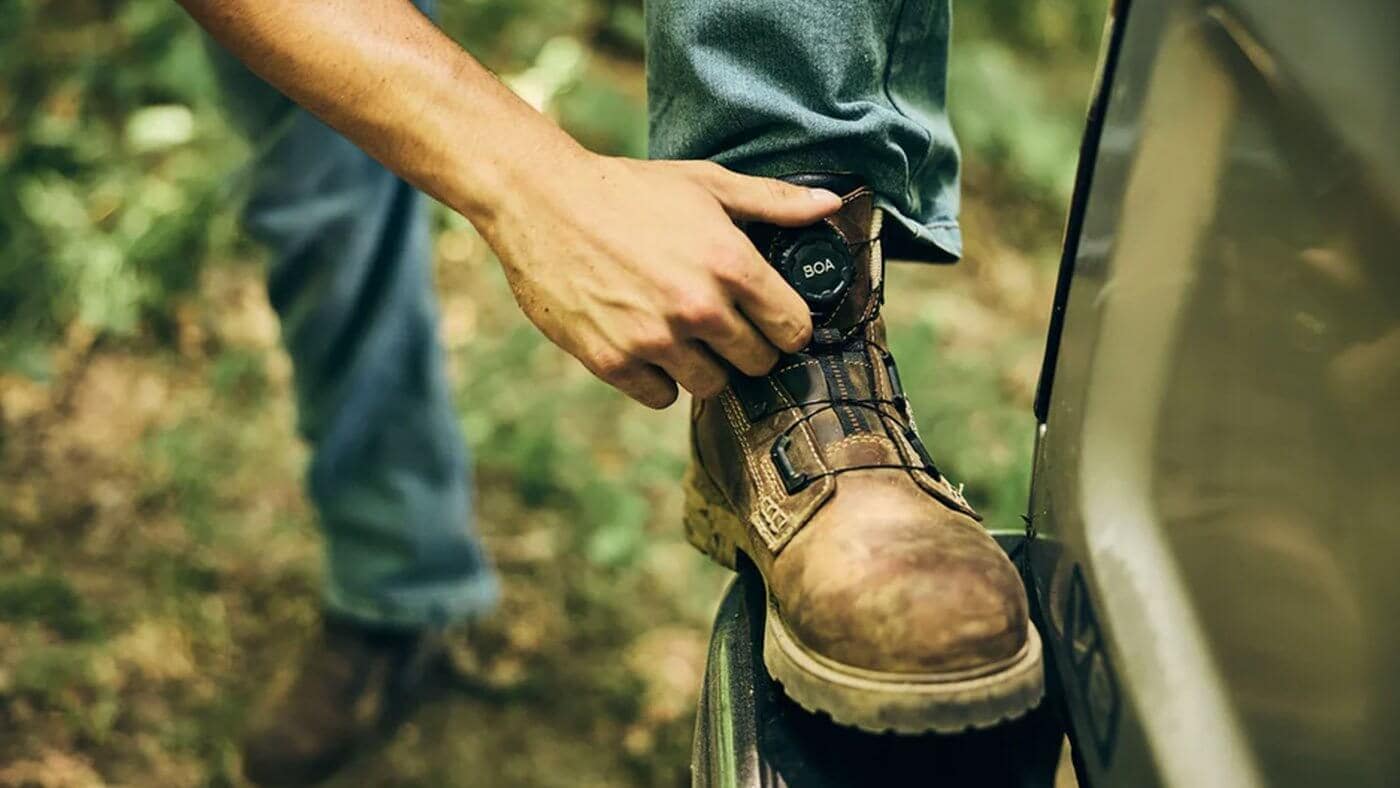
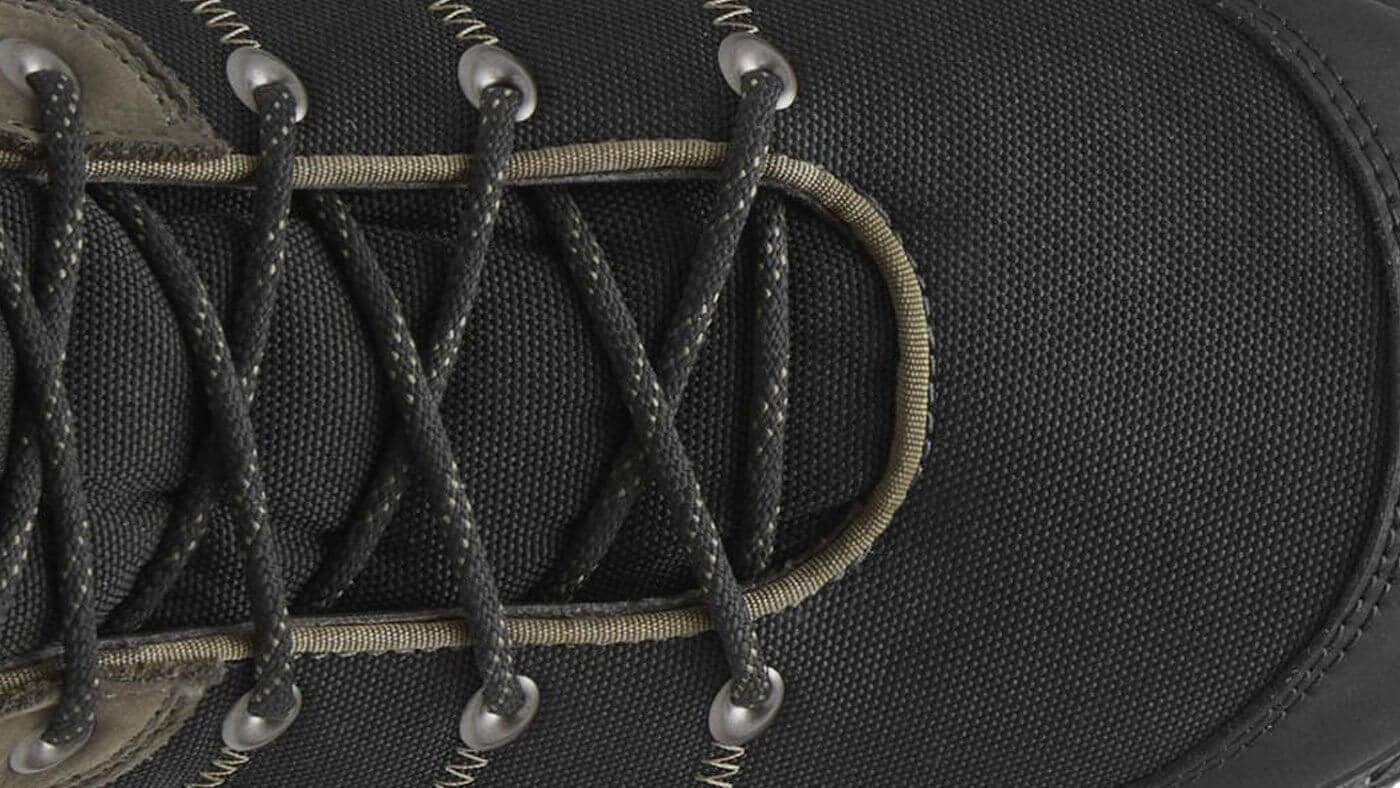
While often overlooked, the lacing system is vital for achieving a secure and customized fit. Systems vary from traditional eyelets to speed hooks and locking mechanisms, allowing hunters to dial in the right tension. A proper lacing setup ensures the boot remains snug around the foot and ankle, preventing slippage that can lead to blisters and instability. Boots designed for quick on-and-off, particularly useful in scenarios involving frequent entry and exit from vehicles or blinds, might feature side zippers or other convenience features in addition to the lacing system.
Grip & Go: Advanced Traction for Unstable Terrain
Navigating challenging environments requires footwear that provides reliable traction. Whether you're climbing a steep, rocky slope, traversing a muddy field, or walking on slick, moss-covered ground, confident footing is essential for safety and mobility.
The Science of Superior Grip: Outsole Design
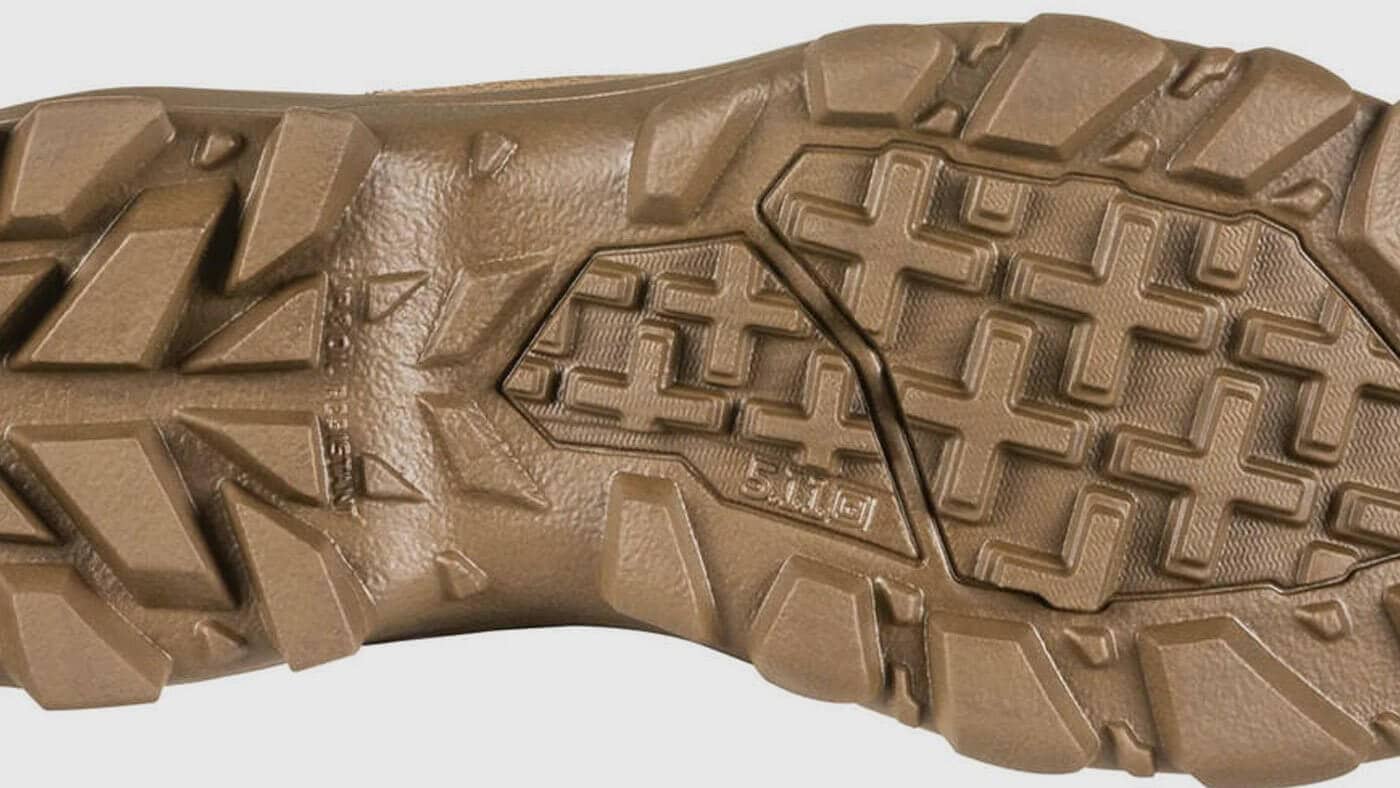
The outsole is the primary component responsible for traction. Its design involves a combination of lug patterns, depth, and the rubber compound used. Deep, aggressive lugs are designed to bite into soft ground like mud or snow, providing excellent grip. Shallower, more intricate patterns can offer better surface contact on harder, uneven terrain. The specific formulation of the rubber is also critical; softer compounds often provide better grip but wear faster, while harder compounds are more durable but may offer less initial traction. Many manufacturers use proprietary rubber blends to optimize this balance for specific uses.
Specialized Traction Technologies
Beyond fundamental outsole design, specialized traction technologies have emerged to tackle extreme conditions. Brands often develop unique tread patterns and compounds engineered for superior grip on wet surfaces, ice, or loose gravel. For example, some boots feature specialized siping or micro-treads that increase surface contact area and channel away water. An All-Terrain Boot is designed to excel across a variety of surfaces, from upland fields to mountainous ascents, ensuring dependable performance no matter the challenge.
All-Terrain Boot Performance: From Upland to Mountain
The ideal hunting boot for varied environments needs to be versatile. An all-terrain boot must offer a balance of features, providing adequate ankle support for rocky ascents, sufficient traction for slippery descents, and comfort for long miles across open fields. For hunting in environments like the marsh, where water saturation and soft ground are prevalent, a boot with a high shaft, excellent waterproof capabilities, and deep lugs for mud traction is essential. The ability to perform across such diverse landscapes is a hallmark of a high-quality hunting boot.
Hunter-Centric Comfort: Designed for Extended Wear
A hunt can last for hours, even days. Therefore, the comfort of your footwear is paramount to enduring long periods on your feet without fatigue or pain. Hunter-centric design focuses on internal comfort systems and anatomical support.
The Importance of a Precision Fit: Your Foot's Best Friend
Achieving a precise fit is the most crucial aspect of footwear comfort. An ill-fitting boot, even if technically superior, will lead to problems. Boots that are too tight can restrict circulation and cause numbness, while boots that are too loose allow the foot to slide, leading to blisters and instability. It's essential to try on boots with the type of socks you'll wear during a hunt and to consider the natural shape of your foot, including width and arch height. Many brands offer different widths or specialized fits to accommodate a wider range of foot types.
Internal Comfort Systems: Cushioning and Support
Beyond the outer construction, the internal components of a hunting boot contribute significantly to comfort. Quality boots feature well-designed insoles that provide cushioning and support, particularly in the arch and heel areas. Midsole materials, such as EVA or polyurethane, absorb impact and reduce stress on joints. Padding around the collar and tongue enhances comfort and helps prevent chafing. These internal systems work together to provide a comfortable and supportive environment for your feet throughout the day.
Addressing "Health Matters": Odor Control and Hygiene
Prolonged wear of waterproof hunting boots, especially in damp conditions, can sometimes lead to odor issues and affect foot hygiene. High-quality boots often incorporate antimicrobial treatments within the lining or footbed materials to inhibit bacterial growth, which is the primary cause of odor. Furthermore, breathable membranes help manage moisture, reducing the damp environment where bacteria thrive. Proper care, including airing out boots after each use and occasional cleaning, is essential for maintaining both hygiene and the longevity of the footwear.
Choosing Your Perfect Pair: A Hunter's Buying Guide
Selecting the right waterproof hunting boots involves careful consideration of several factors to ensure they meet your specific needs and the demands of your hunting environment.
Matching Your Boots to Your Hunt: Climate & Terrain
The most critical aspect of selection is aligning your boot choice with your hunting conditions. For cold-weather hunts, prioritize superior insulation and robust waterproof capabilities. For hunts in hot, dry climates, breathability and lighter materials might take precedence, though waterproof features can still be beneficial for unexpected weather. Hunters frequently stalking through marsh areas or waterfowl hunting will need tall, fully waterproof boots with excellent mud traction. Upland hunters might prefer lighter, more agile boots with good ankle support and breathability.
Understanding Boot Types for Specific Needs
Hunting boots come in various designs. Insulated rubber boots are ideal for extreme cold and wet conditions, offering guaranteed waterproofing and significant warmth. Leather hiking-style boots, often featuring Gore-Tex or similar membranes, provide excellent support and durability for long-distance trekking. Mid-weight insulated boots offer a versatile option for mixed conditions. Knowing the typical terrain and weather patterns of your hunting grounds is key to narrowing down the type of boot that will best serve you.
Essential Features to Look For: Your Checklist
When evaluating products, consider these key features:
- Waterproof membrane and construction (e.g., sealed seams, gusseted tongue).
- Appropriate insulation level (gram count) for your climate.
- Durable outsole material and aggressive lug pattern for optimal traction.
- Robust upper materials (leather, synthetics, rubber).
- Comfortable interior with adequate cushioning and arch support.
- Ankle support suitable for your typical terrain.
- Durable lacing system.
Using online filters can help you quickly sort through options based on these criteria.
The Importance of Sizing and Fit Recommendations
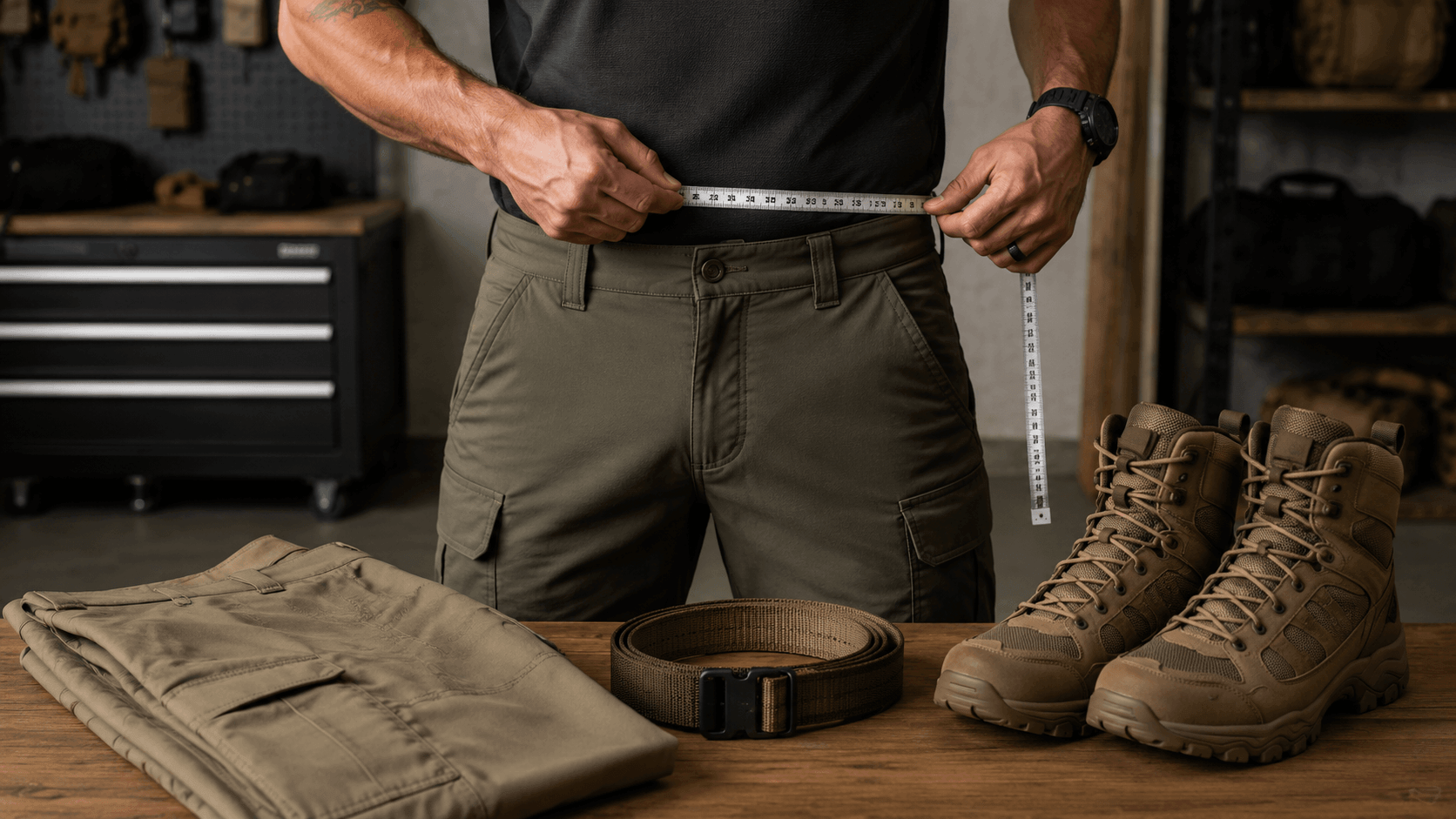
Always prioritize fit. Measure your feet and consult the manufacturer's sizing chart, as sizing can vary between brands. Try on boots with the socks you intend to wear. Ensure there is enough room in the toe box for your toes to wiggle, and that the heel does not lift excessively when you walk. A good fit prevents discomfort and potential injury, making it as crucial as the technological features of the boot.
Maximizing Longevity: Care and Maintenance
High-quality hunting boots are an investment. To ensure they provide reliable service for years, proper care and maintenance are essential. After each use, especially in wet conditions, clean off mud and debris. Allow boots to air dry naturally at room temperature; avoid direct heat sources, which can damage materials and adhesives. Regularly inspect seams and waterproof membranes for any signs of wear or damage. Conditioning leather components will keep them supple and enhance their water resistance. By following these simple steps, you can significantly extend the lifespan of your footwear. High-quality hunting boots can last anywhere from 3 to 5 years with regular use and proper care.
Shopping Considerations
When purchasing hunting boots, several consumer-friendly aspects can influence your decision. Many reputable retailers offer free or flat rate shipping on orders, which can be a significant cost saver, especially for larger items like boots. Understanding the return policy is also crucial; a generous return policy provides peace of mind, allowing you to exchange boots if the fit isn't quite right or if they don't meet your expectations upon arrival. Always review product warranties to understand the manufacturer's commitment to quality and defect coverage.
Conclusion
Investing in the right waterproof hunting boots is not a luxury; it's a fundamental necessity for any serious hunter. The ability to keep your feet dry and comfortably warm in challenging wet conditions directly impacts your stamina, focus, and overall hunting success. By understanding the critical elements of waterproof technology, insulation, durable construction, and reliable traction, you can make an informed selection that suits your specific hunting needs. Prioritizing a precise fit, understanding material nuances like rubber and Dyneema, and considering brands like Rocky for their specialized products, will equip you with the confidence to face any terrain. Remember that proper care will ensure your chosen footwear remains a reliable partner on countless hunts, protecting you and enhancing your experience in the great outdoors. Equip yourself with the best, and focus on what truly matters – the hunt.