Listen to this article
Creating a survival kit is critical for a variety of situations, including both man-made and natural disasters. Whether you find yourself stranded out in the wilderness or sheltering from a storm, it pays to be prepared. You can personalize a survival kit for specific needs and problems, but all kits have the same general supplies. We’re going to discuss the basic supplies and important survival gear you need to make sure your survival kit is prepped and ready to go.
Why You Need a Survival Kit
During a natural disaster or other catastrophic events, community resources may not be available. The number of people calling on emergency services for help may make it impossible for first responders to help everyone. You need to be able to help yourself.
If you’re out on the trail alone and get injured or need to stay overnight in the wilderness, you need basic supplies to survive. Necessities on the trail will be different than other survival situations, but no matter where you are, you can benefit from a survival kit.

Photo by Dan Galvani Sommavilla
Basic Survival Checklist
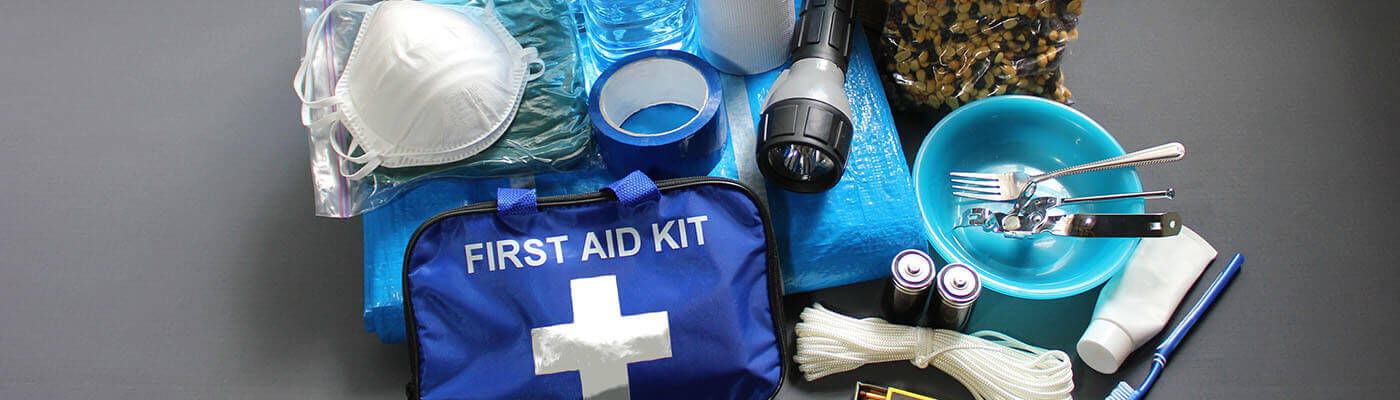
Below is a basic list of supplies that you need for your survival kit. The amount of supplies you need depends on the type of kit you’re making. You can only carry limited supplies in a survival kit while you’re hiking, but you can carry much more in a go-bag for your vehicle.
Food and Water
- Water
- Non-perishable food
- Water purification or filters
Light and Fire
- Flashlight
- Matches
- Firestarter (magnesium or flint)
- Emergency candles
- Batteries
- Tinder
- Magnifying glass
- Fire extinguishers
Tools
- Pocketknife
- Multitool
- Pliers
- Paracord
- Duct Tape
- Monofilament fishing line
- Manual can opener
- Wrench
- Cell Phone with battery backup and chargers
- Metal mugs or pot
- Mess kits
- Plates
- Paper cups
- Plastic utensils
Shelter and Warmth
- Warm clothing
- Space blanket or warm emergency blanket
- Raincoat or emergency poncho
- Tent or large tarp
- Sleeping bag for each person
Communication
- Whistles
- Radios
- Signaling mirror
Sanitation
- Moist towelettes
- Paper towels
- Trash bags
- Feminine supplies
Additional Supplies
- Paper and pencil
- Navigation-preferably paper maps but also a compass
- Cash
- Puzzles, books, or games for kids
- Important family documents such as copies of insurance policies, bank account records, ID saved on a thumb drive and/or paper copies sealed in a waterproof container that’s portable
- Pet supplies
- Baby supplies such as formula, diapers, bottles, etc.
- Contact lens solution and glasses
- Waterproof bags to put supplies in
Basic First Aid Supplies
- Prescription medications
- Non-prescription medicine (anti-diarrheal, antacids, pain relievers, Aspirin, antihistamines)
- Safety pins
- Gauze
- Triple antibiotic ointment
- Various sizes of band-aids
- Antiseptic wipes
- Gauze
- Ace bandage and/or bandages in various sizes
- Tweezers
Maintaining Your Survival Kit
Before you purchase a bag or storage container for your survival kit, you need to consider where you’re going to store it. Storing your survival kit in the car or at home will determine the size and space available to you. Essentially, the survival kit needs to fit wherever you plan to store it.
It’s important to maintain your kit once you create it. Rather than keep your boxed food in your hiking bag or go bag, you should store it in closed metal or plastic containers. Store non-perishable food in a dry and cool place. Keep track of the expiration dates and make sure to rotate through your food. You can eat the canned food in your kit before it expires and then buy new food for your stockpile.
Your family’s needs change over time, so you’ll need to continually consider the items in your kit and update it. Medicines may change and kids grow out of clothes. It’s not unusual for families to swap out items from their survival kit.
Everyone in the family should know where you store the survival supplies. Keep it in a designated place so you can get to it in a hurry. Make sure the car supplies stay in your car, and if you have a survival kit for sheltering in place at work, leave it there.
Choosing a Bag or Container for Your Survival Kit
Like every item in your kit, you need one that is suitable for the location where you will use it. If you’re hiking, a large backpack would be an excellent choice for mobility.
A backpack is also a great solution for a go-bag if you need to leave home in a hurry. You can carry a survival kit for the office in a backpack as well. If you plan on being around water, then you could put your survival kit in a waterproof or float bag.
If you’re packing a go-bag for your car, you can organize it in a trunk organizer or keep the bag in your trunk. Just consider the effects of storing it in extreme heat or cold.
Premade Kit vs. Making Your Own
You can purchase premade survival sets or premade pieces of your survival kit like a basic first aid kit. If you make a survival kit, it’s easier to tailor it to your family’s specific needs. But if you don’t have time to create a survival kit of your own, you can still customize a premade one to fit your needs.
Tailoring Your Survival Kit to Your Family’s Needs
A survival kit isn’t much good if it doesn’t meet your needs. Here are five questions you can ask yourself to help you customize your kit.
What are the Emergencies Your Family May Encounter?
There are endless types of emergencies you and your family may face. There may be a pandemic that depletes food, household supplies, or medications. You may also face shipping delays for products or grocery store aisles may be wiped clean.
A hurricane may devastate the area where you live, cutting you off from community resources such as electricity and water. You may have to spend days without lights or heat if a tornado lands in your community.
Perhaps you’re out on a beautiful solo hike and you fall down a hill and break your ankle. Or, if something happens to your water supply, you may need to purify the water you find in the wilderness. You may also need a way to remove ticks.
Whatever it is, plan for emergencies that are most likely to happen in your area.
How Many People Will Share the Survival Kit?
If more than one person is to share your kit, like children or even pets, you’ll need plenty of supplies for each person. Are you packing for an elderly parent or children who can’t pack their own kits?
A household with two able-bodied adults and two kids allows for each adult to carry enough food, water, and survival gear for one adult and one child. The more bags a family can carry, the more supplies you will have available. Remember, it’s better to be over prepared in case something happens to one of the bags.
If you’re hiking with multiple people, coordinate with your fellow hikers to see if people will share a pack or if everyone should bring their own. You could designate one person to carry the first aid supplies and someone else to carry water and filtration tools. You may need more than one fire starter and one flashlight depending on whether you’re hiking alone or with a party.
Where Do You Plan on Using the Kit?
Every location has its unique climate and weather challenges that will ultimately affect which survival gear and supplies you pack. If you’re in Maine or Minnesota in the winter, you’ll definitely need warm clothing and blankets or sleeping bags. Hand and foot warmers would also be good to add to your supply.
If you live in Louisiana, you may need more water in the summer or medical supplies to treat snake bites. Location dictates many of your survival kit choices, and it’s critical to make sure you pack the right supplies. It’s always worth the time to identify water sources close to your house in case you need them.
How Long Will It Take for Help to Get to You?
If you’re hiking in a secluded area, you may wait a long time for help. However, if you’re heading for a hike in a national park close to home, you may only wait a day. When building a survival kit, proximity to likely rescue efforts is a significant factor. You’ll need more food and supplies the longer you need to wait for help.
How Much Outdoor Experience Do You Have?
If you’re creating a survival kit for a hike and you have extensive outdoor experience, you’ll need fewer items. Someone skilled at starting fires won’t need emergency tinder or matches as badly as others. Likewise, someone experienced with water purification and filtering methods may not bring as much water.
Additional Factors to Consider When Customizing a Survival Kit
There are other factors to consider when tailoring a survival kit to your family’s needs. Think of the medical conditions of each family member and what medications they need.
If you can secure communication devices, like a satellite, cell phone, or two-way radio, you will be able to reach help easier (except perhaps in the case of a natural disaster). Hiking in the backcountry with a two-way radio? Make sure you know the radio frequency that emergency responders and park rangers use.
Self-Defense Tools and Weapons
No matter the emergency, it’s wise to carry a couple of self-defense tools or weapons. You may face dangerous and desperate people or animals. If SHTF, you’ll be glad you have one. The most logical choice for an outdoor situation is some type of tactical knife. It’s also an excellent tool for many chores out on the trail, like cutting paracord, opening cans of food, or even using it as an eating or cooking utensil. You may want to carry more than one knife just to have a back-up.
Someone defending their home will likely want a rifle or shotgun. A handgun can prove useful, as well.
There are other tools you can carry in your purse, like a tactical pen or flashlight. The useful tools you carry will differ depending on your location and where you plan to use them.
Creating Multiple Go Bags or Survival Kits
You may find it easier to create multiple survival kits. For instance, you can make one for home, one for the wilderness, and one for your car. That way, you cover all the possible necessities for each environment. For instance, a fire extinguisher is a great item to keep in your car, but you obviously can’t take one on the trail. Your basic first aid kit for your hiking pack will be smaller than the one you keep in your go-bag at home.
Planning and Preparing Your Survival Kit
You don’t want to make simple mistakes, like carrying duplicates. If you’re hiking alone, it’s important that you take only what you need. You probably won’t have enough room to carry extra items, and the extra weight may hinder you more than help you. You should bring items that serve more than one purpose, however. Safety pins can be a fishing hook, stitch up a wound, hold a bandage, or repair clothing. Duct tape can repair your tent, clothing, or serve as a bandage.
Also, don’t feel like you need to buy everything for your survival kit at once. You can stockpile supplies over time so that building a kit isn’t too much of a financial burden, especially if you’re building multiple kits.
Regardless of where you plan to use your survival kit, make sure it includes the necessary supplies that your family needs. Hopefully, you will never need to use your survival kit. But if you find yourself without one when you need it, it can be a disaster.