Listen to this article
The bright hues of visibility clothing help people see you so that you don’t get hit in traffic or shot by accident in the woods. It plays a critical role for many professions and hunters. A variety of people don high visibility clothing or high visibility vests, but you’ll also see other people who want to make sure they’re seen wearing it.

Photo by Akin Victor
What Is Visibility Clothing?
People wear high visibility clothing when they want to be seen or alert other people of their presence.
There are several occupations and groups of people that you commonly see wearing high visibility clothing. These groups include law enforcement officers, construction workers, hunters, and runners. It’s clothing specifically made in bright colors that stand out in environments with poor visibility or low light.
Different Types of High Visibility Clothing
High visibility clothing comes in many forms, such as bibs, vests, shirts, gloves, coveralls, pants, headwear, and more. There are key differences in the color of this clothing. Apparel makers use several special pigments not visible to the human eye and revert it back to our eyes in a more visible light. The sun's ultraviolet light spectrum provides these pigments.
Some high visibility vests and clothing include retroreflective material. It reflects light back to its source. Drivers can see the light reflected by the material as long as the person is standing in the light.
Factors that Affect What Type of Visibility Clothing You Wear
There are three primary factors that determine the type of visibility clothing that you wear. They are when the law mandates you to be seen, when you want people to see you, and when you need people to see you.
-
When the Law Mandates You to be Seen: There are several professions where laws require employees to wear visible clothing, known as Personal Protective Equipment (PPE). Jobs that require employees to move traffic or equipment or which have low visibility fall into this category. Laws require hunters to wear specific high visibility accessories with their outdoor clothing as well.

Photo by Elle Hughes
The American National Standard for High Visibility Safety Apparel and Accessories
(ANSI) designates the colors, design, care labeling, and physical performance of safety clothing. This apparel is classified as Class 1, 2, or 3. These classifications help people choose the right clothing for the risks of their work environment. The difference between classes comes from the amount of reflective and fluorescent material that others must see.
-
When You WANT People to See You: Employers may need people to see their employees, such as ushers at sporting events or food vendor personnel. Businesses want their workers to stand out in the crowd so that customers can recognize them as an employee. Neon colors really work in this instance. Joggers often wear multiple types of high visibility clothing when running.
-
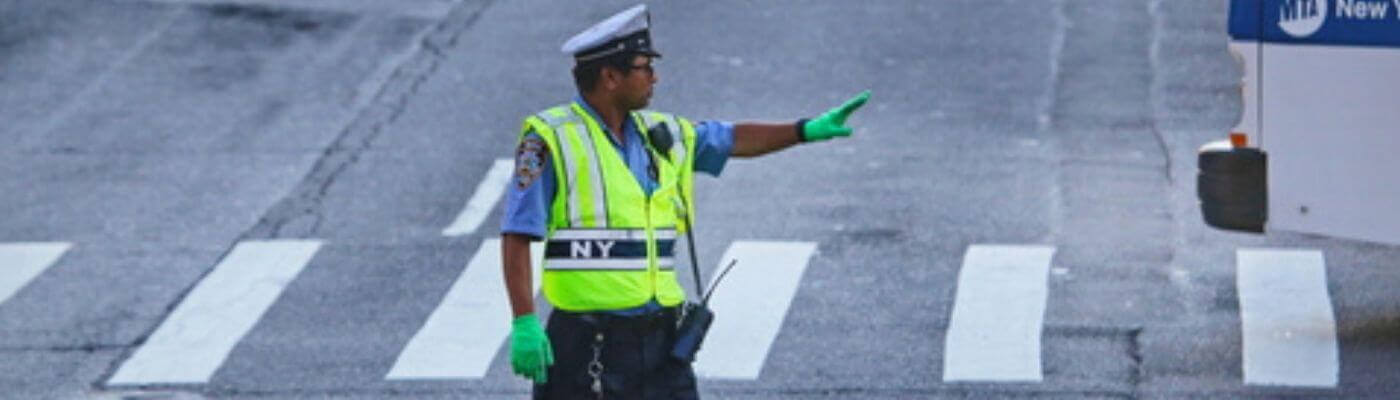
When You NEED People to See You: When employees need to remain visible for safety reasons, they fall under this category. Tree trimmers, landscapers, and construction workers are examples. Other people who work along roadways, such as a police officer directing traffic, need to be seen as well.
Some employers may feel that high visibility clothing is necessary even if it’s not mandated by law. It’s definitely okay to be responsible and overcautious. There are three different colors to choose from: fluorescent red, fluorescent orange-red, and fluorescent yellow-green. Consider the natural environment and work when choosing what color to wear. These colors are different from fashionable neon colors. Note that high visibility pink is not an acceptable color in this instance.
What to Look for When Choosing High Visibility Clothing
There are several things to look for when choosing the right high visibility clothing to wear.
- High-visibility clothing needs to be fitted for each individual worker––but don’t forget to consider the clothing worn under the vest.
- Choose color stripes that differentiate from the material’s background color. Stripes on the legs and arms also show viewers how the employee is moving.
- Also, keep comfort in mind. Make sure the material that contacts the worker directly doesn’t chafe or cause irritation and injuries.
- Replace soiled, torn, or worn clothing for maximum visibility.
- Make sure employees take care of their clothing and apparel and keep it clean.
Whether you have to wear high visibility clothing or want to, make sure you pick the best color for the activity you’re using it for. Hunters must wear blaze orange, whereas companies that want their employees seen at events may just have them wear neon-colored t-shirts. The activity or work you’re participating in dictates the type of high visibility clothing that you wear. For the latest in high visibility apparel, check out our updated collection.