Listen to this article
Modern gun-storage options include firearm locks, biometric lock boxes, full-size safes, and protective travel cases. Choosing the right setup starts with the same goal: preventing unauthorized access while keeping your firearms protected.
Follow the firearm manufacturer’s instructions and the laws that apply where you live and travel. The ATF’s firearm safety and security guidance covers safe handling and storage, including checking that a firearm is unloaded and keeping ammunition secured separately. No storage product replaces safe handling.
Firearm Locks as Part of a Storage Plan
Cable locks, chamber locks, and other safety devices are designed for particular firearms and uses. Choose a compatible device and follow its instructions. A lock should be one part of a storage plan that also addresses who can access the firearm and where it is kept.
Biometric Gun Vaults
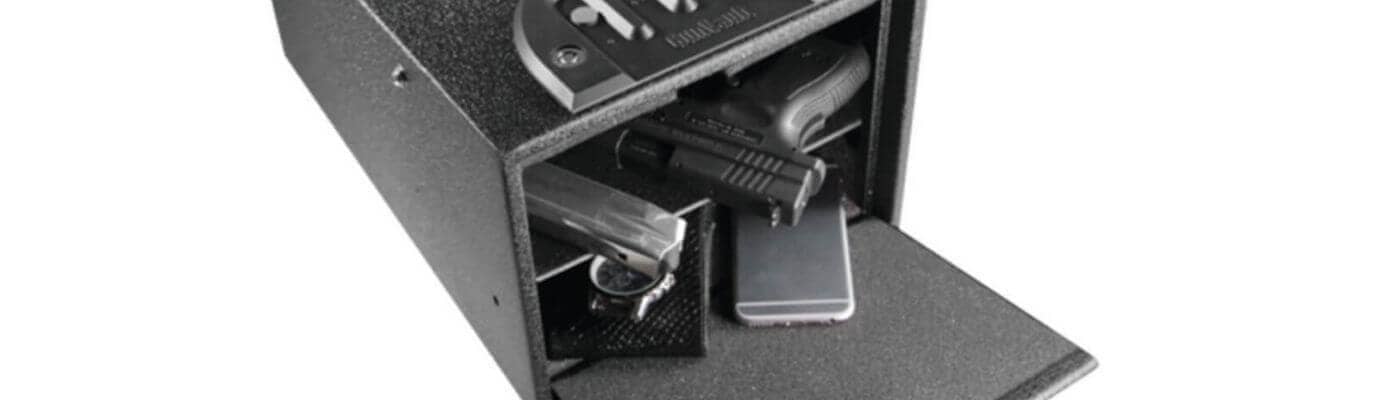
A biometric lock box uses a fingerprint reader to control access. Features vary by model, so review the manufacturer’s specifications rather than assuming that every vault stores the same number of fingerprints, has the same battery life, or offers the same security.
Check the backup-access method, battery requirements, mounting options, and interior space before buying. Follow the instructions for installation and maintenance, and test the lock with the firearm removed. A fast-opening lock does not make a container tamper-proof.
Using a Pelican 1720 Long Case for Travel
The Pelican 1720 Protector Long Case is designed to protect equipment in transit. Pelican lists an O-ring seal, an automatic pressure-equalization valve, wheels, stainless-steel hardware, and padlock protectors among its features.
Choose an interior configuration that supports your unloaded firearm and accessories without allowing them to move around. Check the case’s dimensions and locking points, and follow the transport rules for your destination and carrier. A protective travel case and an anchored home safe serve different purposes.
What About When You Are Away?
Plan for security when the home is unoccupied as well as when you are there. Review how the storage container is secured and who can access its keys, codes, or backup entry method.
Cameras and alarms can supplement a home-security plan, but they do not prevent access to an unsecured firearm. Keep physical storage and access control at the center of your setup.
Keep Your Storage Plan Current
Inspect locks and cases, maintain electronic access systems according to their manuals, and reassess your setup when household circumstances change. Modern features can be useful, but dependable equipment, careful installation, and consistent safe handling are what make the plan work.