Table of Contents
- Why Reliable Hydration is Crucial for Hikers and Patrol Officers
- The Dual Demands of Trail and Duty: What This Guide Covers
- What to Expect in This 2026 Buyers Guide
- Understanding the Fundamentals of Hydration Packs
- Choosing for the Trail: Key Hydration Pack Features for Hikers
- The Patrol Perspective: Unique Demands of Tactical and Duty Use
- Durability and Tactical Readiness
- Discreet vs. Overt: Design for Plainclothes or Uniformed Patrol
- Gear Organization and Rapid Access for Patrol Essentials
- Hands-Free Hydration Under Stress
- Extended Comfort for Long Shifts and Dynamic Movement
- Bladder vs. Water Bottle: Redundancy and Flexibility for Patrol
- Visibility and Safety on Patrol
- Top Hydration Packs for 2026: Hiking & Patrol Recommendations
- Best All-Around for Versatile Hiking & General Patrol
- Best for Dedicated Hiking Adventures
- Best for Active Patrol & Quick Accessibility
- Best for Low-Profile or Discreet Patrol
- High-Capacity Options for Extended Operations or Heavy Loadouts
- Best Value and Versatility
- Lightweight Performance for Trail Runners and Fast Hikers
- Robust and Modular Tactical Pack
- Feature-Rich Daypack for Outdoor Enthusiasts
- Modular and Expandable for Variable Needs
- Making Your Choice: A Decision Guide for Hikers and Patrol Officers
- Maintenance and Care for Longevity
- Conclusion: Stay Hydrated, Stay Safe, Stay Ready
- FAQs
Introduction: Essential Hydration for Demanding Environments
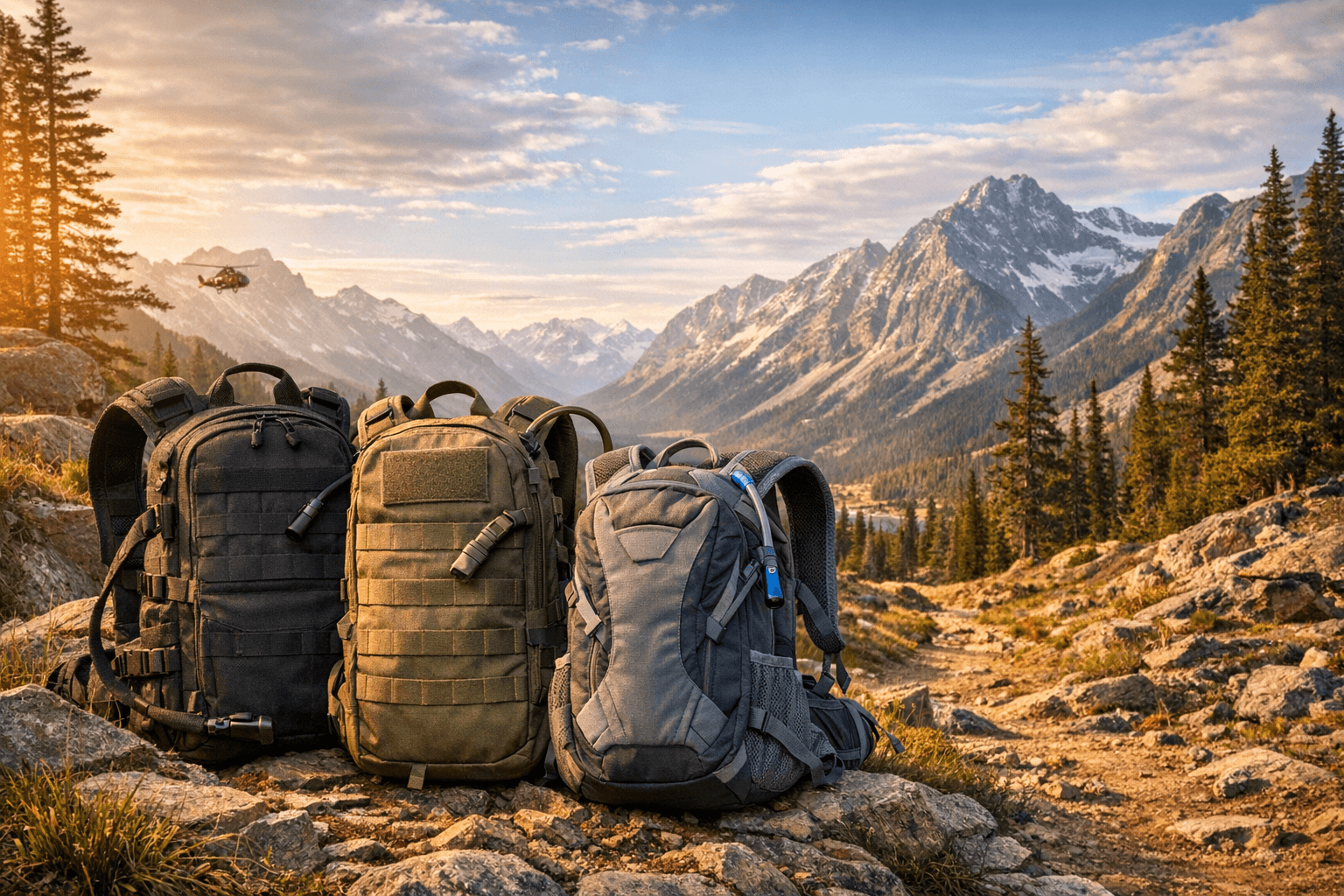
In the pursuit of adventure, whether scaling mountain trails or navigating the demands of duty, consistent hydration is not merely a comfort; it's a cornerstone of performance, endurance, and safety. As the demands on our bodies increase in challenging environments, the ability to access water efficiently and reliably becomes paramount. The modern hydration pack has evolved far beyond a simple container, transforming into an indispensable piece of equipment that integrates seamlessly with our activities. For 2026, the market offers an array of innovative solutions designed to meet the diverse needs of hikers, patrol officers, and anyone embarking on rugged adventures. This guide delves into the essential features, critical considerations, and top recommendations, ensuring you can select a hydration system that empowers you to stay hydrated, focused, and ready for whatever lies ahead.
Why Reliable Hydration is Crucial for Hikers and Patrol Officers
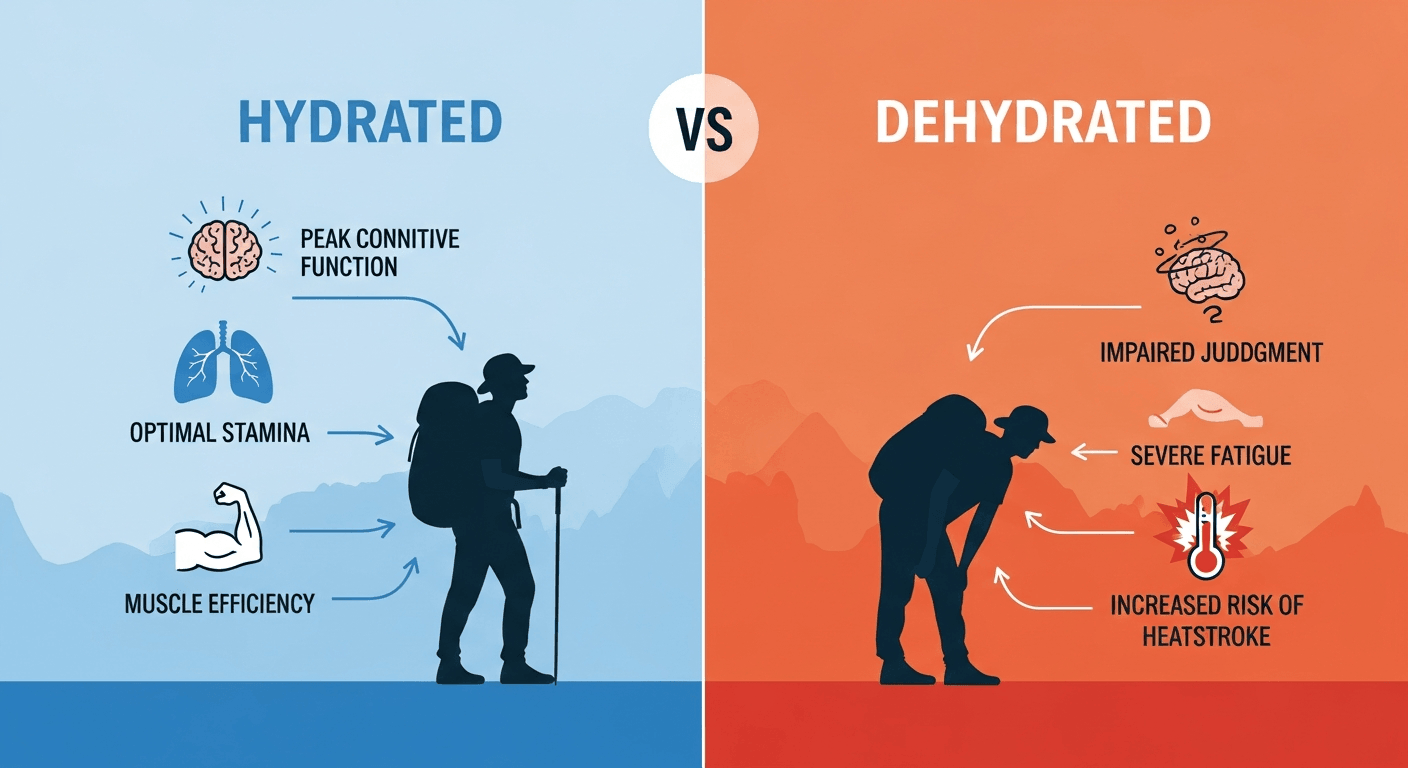
Dehydration significantly impairs both the physical and cognitive performance critical for demanding activities.
Dehydration is a silent performance inhibitor that can dramatically compromise physical and cognitive functions. For hikers, even a mild deficit in fluid intake can lead to fatigue, reduced stamina, impaired judgment, and an increased risk of heat-related illnesses. As mileage increases and elevation gain becomes more significant, the body's demand for water escalates, making consistent sipping crucial. The difference between a triumphant summit and a difficult descent can often hinge on maintaining proper hydration levels.
Similarly, for patrol officers and other professionals operating in demanding environments, dehydration presents even more critical risks. Law enforcement, security, and emergency response personnel often face extended periods of high exertion, stress, and exposure to extreme temperatures, all while needing to maintain peak cognitive function for decision-making. Impaired judgment due to dehydration can have severe consequences in high-stakes situations. Furthermore, the physical toll of carrying gear alongside the demands of the job makes proactive hydration a non-negotiable aspect of readiness. A reliable hydration pack ensures that water is readily accessible without interrupting crucial tasks or compromising situational awareness, offering a vital lifeline in challenging operational contexts.
The Dual Demands of Trail and Duty: What This Guide Covers
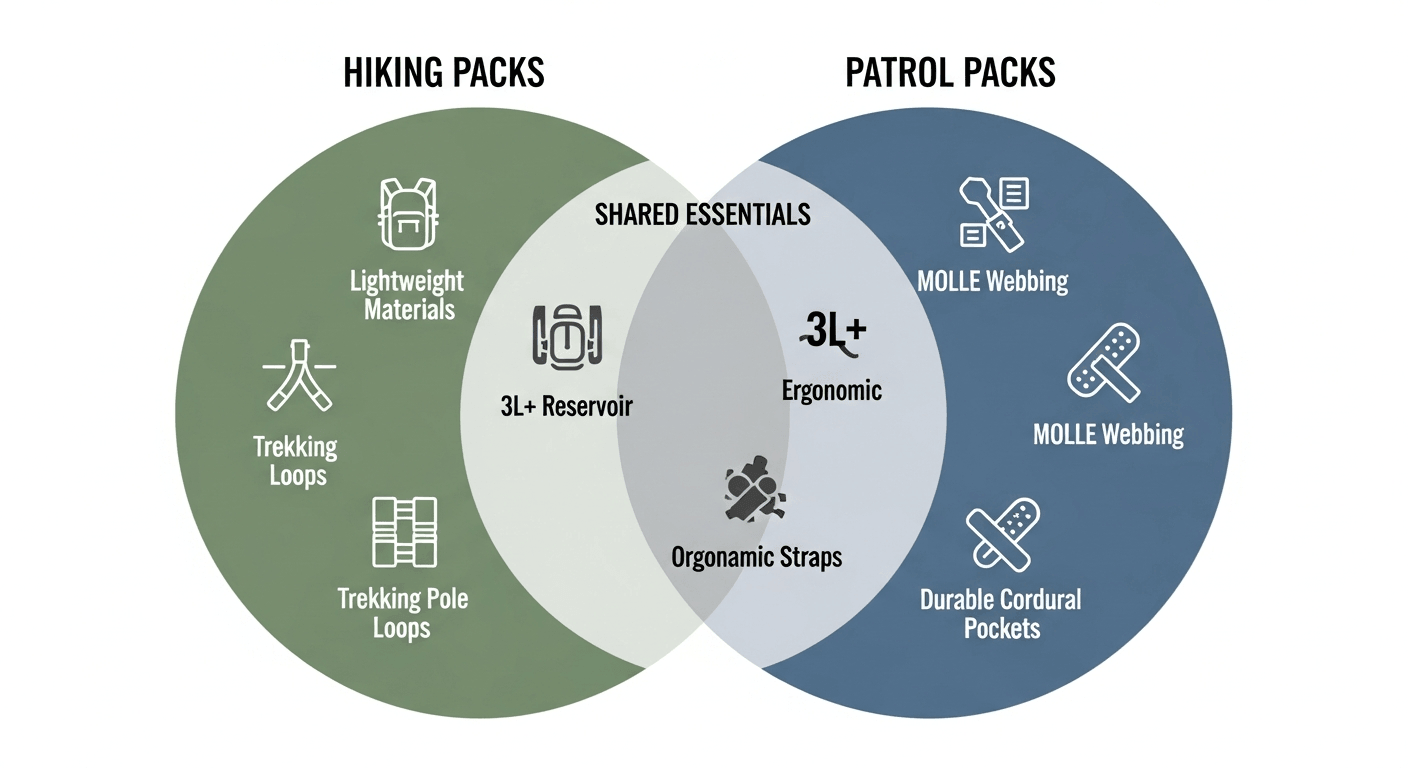 While hiking and patrol packs have specific features, they share core requirements for durability, capacity, and comfort.
The modern landscape of outdoor and tactical gear often sees an overlap in requirements. A pack designed for a multi-day backpacking trip might share many features with one favored by a park ranger on patrol. This guide is crafted to bridge that gap, acknowledging that many individuals engage in both recreational hiking and professional duties that demand similar robust equipment. We understand that a hydration backpack suitable for an avid hiker needs to balance capacity, comfort, and organizational features, while a pack for patrol officers must prioritize extreme durability, rapid access, and seamless integration with other tactical gear.
This guide will dissect the fundamental components of a hydration system, explore the distinct types of packs available, and meticulously outline the essential features to consider for both trail-focused activities and duty-oriented operations. We will then present our curated list of the top 10 hydration packs for 2026, highlighting models that excel in versatility, specialized performance, and rugged reliability. Our aim is to equip you with the knowledge to make an informed decision, whether your adventures take you to remote wilderness trails or the front lines of professional duty.
What to Expect in This 2026 Buyers Guide
As we move into 2026, the evolution of hydration packs continues to impress, driven by advancements in materials, design ergonomics, and user-centric innovations. This guide is built on thorough research and an understanding of the latest market trends, focusing on products that offer exceptional performance for the 2026 season. We will go beyond simply listing popular models by providing context on why certain features matter for specific activities. You can expect an in-depth look at:
- Cutting-Edge Materials: Exploring fabrics and construction techniques that enhance durability, water resistance, and weight reduction.
- Ergonomic Design Innovations: Highlighting how modern packs improve comfort and load distribution, especially during dynamic movement and extended wear.
- Versatile Functionality: Identifying packs that excel in multiple roles, seamlessly transitioning from a weekend hike to an operational shift.
- Tactical Integration: Detailing features crucial for patrol and duty use, such as MOLLE compatibility and low-profile designs.
- Hydration System Efficiency: Examining the performance of hydration bladders, bite valves, and hose management for optimal water access.
Our goal is to provide a comprehensive, authoritative resource that empowers you to invest in a hydration pack that not only meets your immediate needs but also offers long-term value and reliability for all your rugged adventures and demanding duties.
Understanding the Fundamentals of Hydration Packs
At its core, a hydration pack is a carrying system designed to hold a hydration reservoir (commonly referred to as a hydration bladder or water bladder) and deliver its contents via a tube and bite valve. While this basic definition holds true, modern packs are sophisticated pieces of gear with a complex interplay of components, designs, and materials. Understanding these fundamentals is key to appreciating the nuances that differentiate a high-performing pack from an adequate one, especially when considering its use in demanding scenarios.
Core Components of a Hydration System
A functional hydration system within a pack comprises several key elements, each contributing to the overall user experience and reliability:
- Hydration Reservoir/Bladder: This is the primary vessel for water. Modern reservoirs are typically made from durable, food-grade materials like TPU (thermoplastic polyurethane), offering flexibility, resistance to punctures, and ease of cleaning. They come in various capacities, often ranging from 1 to 3 liters. Key features include wide-mouth openings for easy filling and cleaning, secure seals to prevent leaks, and often internal baffles to reduce sloshing. The design aims for a slim profile to fit comfortably within the pack's dedicated sleeve.
- Hose and Bite Valve: The conduit connecting the reservoir to the user is the hose, typically insulated to prevent freezing in cold weather and reduce water temperature fluctuations. The bite valve is the terminal point, a crucial interface that allows for on-demand hydration. High-quality bite valves are designed for a strong flow rate, ergonomic comfort, and often incorporate a lock-out mechanism to prevent accidental leaks. The ease of drinking and the reliability of the bite valve are paramount, especially under stress or during strenuous activity.
- Pack Construction: This encompasses the fabric, stitching, zippers, buckles, and overall design of the backpack itself. Materials range from lightweight nylons for recreational use to robust Cordura fabrics for tactical applications. Reinforced stitching at stress points, high-quality YKK zippers, and secure buckles contribute significantly to a pack's durability. The internal structure, including the dedicated sleeve for the hydration reservoir, also plays a role in its functionality and comfort.
Types of Hydration Packs
Hydration packs are not a one-size-fits-all solution. They are broadly categorized based on their intended primary use, which dictates their design, capacity, and feature set.
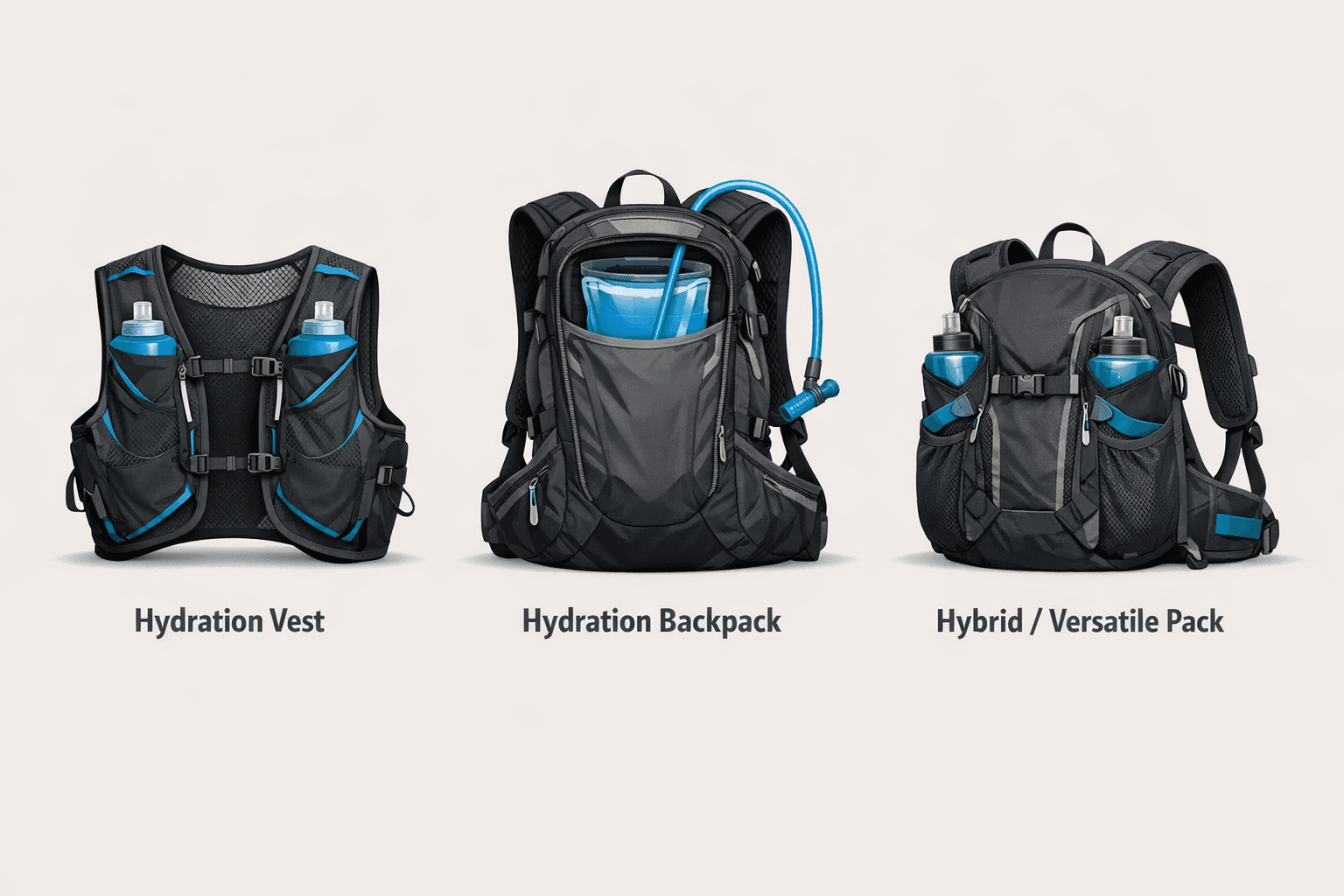
- Hydration Vests: These are typically lightweight, close-fitting packs that prioritize agility and rapid hydration. Often favored by runners, cyclists, and fast-and-light hikers, running hydration vests feature numerous accessible pockets for gels, phones, and small essentials, along with integrated reservoirs or the option to carry soft flasks in chest pockets. They offer a snug fit that minimizes bounce and allows for excellent freedom of movement.
- Hydration Backpacks: This is the most traditional category, offering a wider range of capacities and more substantial storage than vests. A standard hydration backpack is designed for day hikes, longer treks, and general outdoor use. They typically feature a dedicated sleeve for the hydration reservoir and ample external pockets for organizing gear. Their construction focuses on comfort for longer periods of wear, often incorporating more robust back panels and padded shoulder straps.
- Hybrid/Versatile Packs: These packs aim to strike a balance, offering enough capacity and organization for day hikes while also incorporating features that make them suitable for patrol or tactical applications. They might feature MOLLE webbing for modular attachments, durable materials, and a streamlined profile that doesn't impede movement. These are excellent options for users who require a single pack to serve multiple demanding roles.
Essential Considerations for Any User
Regardless of whether you're hitting the trails or on duty, several fundamental factors will dictate the suitability and performance of any hydration pack. Prioritizing these will ensure you select a pack that aligns with your needs and provides reliable service.
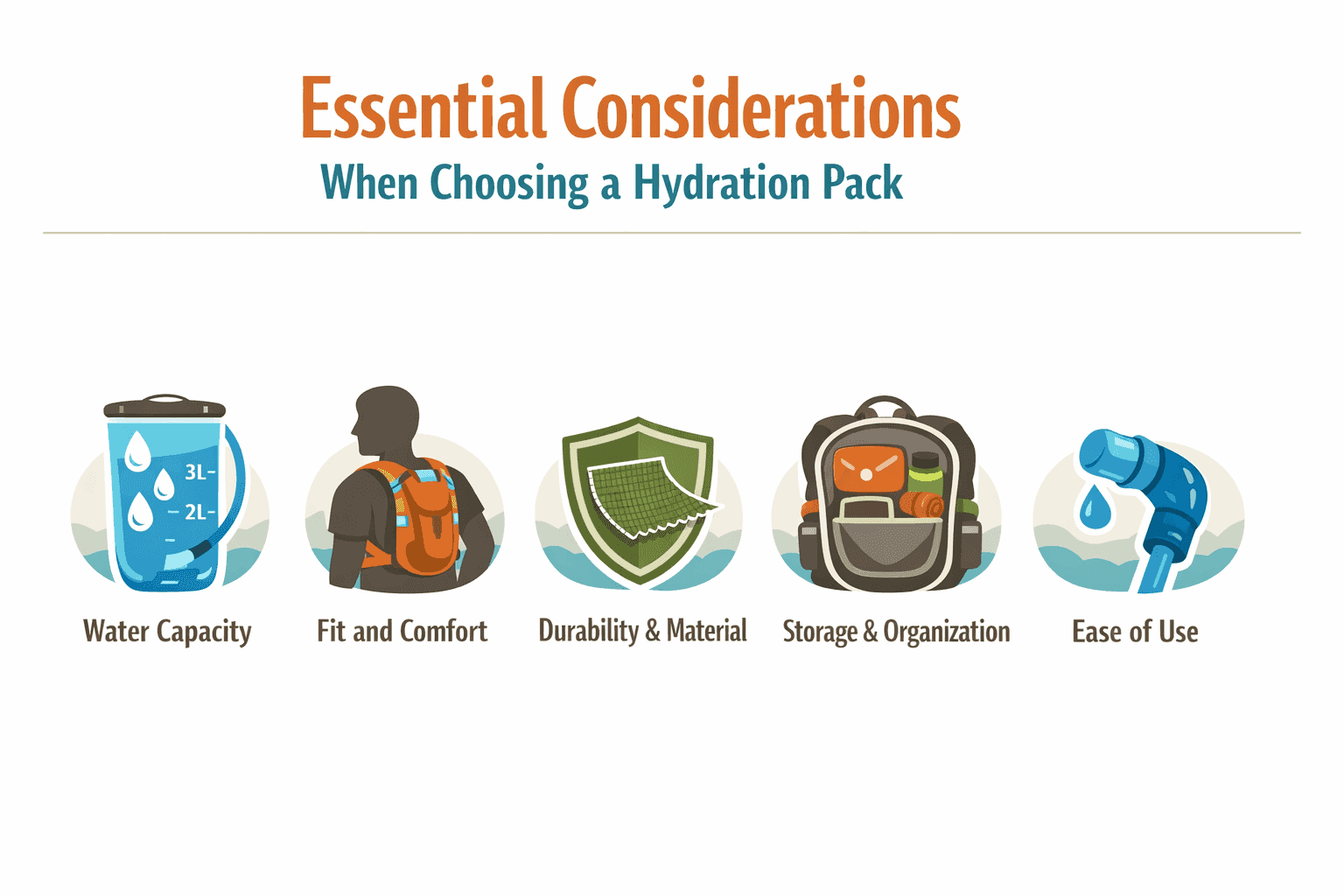
- Water Capacity (Hydration Capacity): This refers to the volume of water the hydration reservoir can hold, usually measured in liters (e.g., 1L, 2L, 3L). The required hydration capacity depends heavily on the duration of your activity, environmental conditions (temperature, humidity), and your personal hydration needs. For short hikes, 1-2 liters might suffice. For full-day excursions or strenuous activities, 3 liters is often recommended. Patrol officers on extended shifts or in hot climates may need even more capacity or a strategy for replenishment.
- Fit and Comfort: A poorly fitting pack can quickly turn an enjoyable experience into a painful ordeal. Key to comfort are the shoulder straps. Look for padded shoulder straps that distribute weight evenly and are adjustable to fit your torso length. A sternum strap across the chest and a hip belt (especially on larger packs) are crucial for stabilizing the load, transferring weight to the hips, and preventing the pack from shifting during dynamic movement. Back panel ventilation is also important to minimize heat buildup and sweat.
- Durability and Material: For rugged adventures and patrol duty, the materials and construction quality are paramount. Abrasion-resistant fabrics, reinforced stitching, and high-quality zippers are essential for longevity. While many packs offer some degree of water resistance, a dedicated Rain Cover can be invaluable for protecting the pack's contents during prolonged exposure to wet weather.
- Storage and Organization: Beyond the hydration reservoir sleeve, a pack's storage capabilities are critical for carrying essentials. Consider the number and type of pockets (internal, external, zippered, mesh), compartments, and attachment points (like gear loops or MOLLE webbing). Efficient organization allows for quick access to items like maps, first-aid kits, snacks, and tools, which is vital for both hikers and patrol officers.
- Ease of Use: This encompasses how simple it is to fill the hydration reservoir, clean the system, access water via the bite valve, and manage the hose. A pack that is difficult to operate under pressure or in challenging conditions will quickly become a frustration. Features like quick-release buckles, magnetic hose clips, and easy-to-open reservoir closures enhance usability.
Choosing for the Trail: Key Hydration Pack Features for Hikers
Hikers, from casual day-trippers to seasoned backpackers, have specific needs that a well-chosen hydration pack can meet. The focus for trail use typically centers on comfort over long distances, sufficient capacity for the duration of the outing, and organization for essential hiking gear, all while maintaining a reasonable weight to avoid unnecessary fatigue.
Capacity for Different Hike Durations
The amount of water you need is directly proportional to the length and intensity of your hike, as well as the ambient temperature. For short, leisurely hikes of an hour or two, a compact pack with a 1-liter or 1.5-liter hydration bladder might be sufficient, especially if supplementing with a water bottle. Day hikes, typically lasting 3 to 8 hours, warrant a larger capacity, usually in the 2-liter to 3-liter range for the hydration reservoir. This ensures you have adequate water even during strenuous climbs or in warm weather. For multi-day treks where resupply is not an option, hikers may opt for larger hydration backpacks capable of carrying a 3-liter water reservoir and additional space for multiple water bottles, or they rely on the pack's volume to carry purification systems and larger quantities of water.
Storage and Organization for Hiking Essentials
Beyond simply carrying water, a hiker's hydration pack must effectively organize essential gear. This includes space for a first-aid kit, navigation tools (map, compass, GPS device), sun protection, extra layers of clothing, snacks, and emergency shelter. Look for packs with well-designed compartments, including hip belt pockets for quick access to snacks or a phone, dedicated sleeves for water or electronics, and external pockets for items you need to reach quickly, like rain gear. Gear loops and straps can also be useful for attaching items like trekking poles or a sleeping pad externally.
Weather Preparedness: Rain Cover and Water Resistance
Trails can be unpredictable, and weather can change rapidly. A pack's ability to withstand the elements is a significant consideration for hikers. While many modern packs are constructed from water-resistant materials, this often refers to light showers. For sustained exposure to rain, an integrated Rain Cover is highly beneficial. This cover, usually stowed in its own pocket, can be deployed to protect the entire pack and its contents from getting soaked. Even without a dedicated cover, a pack made from robust, water-repellent fabrics will offer better protection than lighter, less durable materials. Some packs also feature water-resistant zippers or storm flaps to further safeguard contents.
Weight and Agility for Varied Terrain
When hiking, every ounce counts. A lighter pack contributes to greater energy conservation, allowing for longer distances and more enjoyable ascents. Manufacturers are increasingly using advanced, lightweight materials without compromising durability. The design of the pack also influences agility. A streamlined profile that hugs the body reduces the risk of snagging on branches or rocks. Adjustable shoulder straps, a sternum strap, and a well-designed hip belt system help distribute the load evenly, keeping the pack stable and preventing it from feeling cumbersome, especially when navigating technical terrain or steep inclines.
Visibility and Safety: Reflective Elements for Low-Light Hiking
Safety on the trail often hinges on visibility, especially during dawn, dusk, or in conditions of reduced light. Many hiking-oriented hydration packs incorporate Reflective elements – such as logos, piping, or subtle strips – that enhance visibility when caught by headlamps or other light sources. This is particularly important for hikers who may start early, finish late, or find themselves caught out in foggy or overcast conditions. While not always the primary feature, these small details can significantly contribute to a hiker's safety by making them more noticeable to others, including search and rescue teams if ever needed.
The Patrol Perspective: Unique Demands of Tactical and Duty Use
For professionals in law enforcement, security, and other tactical fields, a hydration pack is not just about convenience; it's a critical piece of operational equipment that must perform reliably under extreme duress. The demands placed on these packs differ significantly from recreational use, prioritizing ruggedness, rapid access to essentials, discreetness when required, and the ability to integrate seamlessly with other gear, such as body armor and communication systems.
Durability and Tactical Readiness
When operating in environments that can range from urban concrete to rugged wilderness, the durability of a hydration pack is paramount. This means opting for packs constructed from heavy-duty materials like 500D or 1000D Cordura, known for their exceptional abrasion and tear resistance. Reinforced stitching at all stress points, robust zippers (often with paracord pulls for easier manipulation with gloves), and rugged buckles are non-negotiable. A tactical hydration backpack must withstand the rigors of being brushed against walls, snagged on obstacles, and subjected to the general wear and tear of field operations without failure. The ability to hold a water reservoir securely while moving rapidly and performing dynamic actions is also a key aspect of tactical readiness.
Discreet vs. Overt: Design for Plainclothes or Uniformed Patrol
The operational context dictates the ideal design. For uniformed patrol officers or those operating in overt roles, a hydration pack might feature MOLLE (Modular Lightweight Load-carrying Equipment) webbing, allowing for the attachment of additional pouches and gear. Color options often include tactical shades like Coyote Brown, Olive Drab, or Black. For plainclothes officers or covert operations, a low-profile design is essential. These packs eschew external MOLLE systems, opting for sleeker aesthetics, often in neutral colors, and ensuring that the pack does not draw undue attention. The design should allow for quick donning and doffing, and importantly, minimize any noise or bulk that could compromise stealth.
Gear Organization and Rapid Access for Patrol Essentials
In tactical scenarios, the ability to access critical gear quickly and efficiently can be a matter of life and death. Patrol officers need immediate access to items such as communication devices, trauma kits, spare magazines, or multi-tools. A well-designed tactical hydration backpack will feature strategically placed pockets and compartments that are easily accessible, even when wearing gloves or under stress. Quick-pull zipper tabs, internal organizers that keep items separated and identifiable, and external attachment points are all crucial. The hydration reservoir and its hose must also be managed in a way that doesn't impede access to these essential compartments.
Hands-Free Hydration Under Stress
Maintaining hydration is vital for cognitive function, especially under stress. A hydration system that allows for hands-free drinking is indispensable for patrol duty. This means a reliable bite valve that delivers a consistent flow rate without requiring significant effort, and a well-managed hose that stays out of the way but is readily available. The ability to take a quick sip without breaking stride or fumbling with water bottles is a significant advantage. Some tactical packs offer insulated hose sleeves to prevent freezing and magnetic clips for secure hose routing, ensuring it’s always within reach and ready for use.
Extended Comfort for Long Shifts and Dynamic Movement
Patrol officers often spend long hours on their feet, performing a wide range of movements, from standing surveillance to high-intensity pursuits. A hydration pack must provide exceptional comfort and support to minimize fatigue and maintain agility. This involves sophisticated harness systems, adjustable shoulder straps, and well-padded back panels designed for breathability. Load distribution is key, ensuring the weight of the pack and its contents is effectively transferred to the hips. The pack's design should also accommodate the wearing of body armor or other tactical vests, allowing for proper adjustment and preventing the pack from interfering with essential equipment or movement.
Bladder vs. Water Bottle: Redundancy and Flexibility for Patrol
While the hydration bladder is central to the system, tactical users often benefit from redundancy and flexibility. Carrying a primary hydration reservoir (typically 2-3 liters) provides a large, hands-free water source. However, carrying one or two additional soft flasks or traditional water bottles offers crucial backup. These can be stored in external pockets or dedicated compartments. This redundancy is vital in scenarios where the main hydration bladder might be compromised, or if rapid, discrete hydration is needed without fully deploying the hose system. Soft flasks are particularly useful for their compressibility and ability to fit into tighter spaces.
Visibility and Safety on Patrol
Visibility requirements for patrol packs are nuanced. While hikers often benefit from overt Reflective elements for safety, tactical packs may need to be discreet. For operations in low-light or hazardous environments where identification is key (e.g., search and rescue support, or some overt patrol duties), reflective accents or high-visibility color options can be advantageous. Conversely, for covert operations, the absence of any reflective material and the use of non-reflective fabrics in muted colors (black, grey, dark earth tones) are critical for maintaining a low profile. The choice depends entirely on the specific operational context.
Top Hydration Packs for 2026: Hiking & Patrol Recommendations
The following curated list highlights ten exceptional hydration packs for 2026, chosen for their performance, durability, and specific suitability for a range of activities, from dedicated hiking adventures to the demanding requirements of patrol and rugged use. We've categorized them to help you pinpoint the best fit for your needs.
Best All-Around for Versatile Hiking & General Patrol
1. Osprey Archeon 30 (with 3L Reservoir)
Osprey has long been a benchmark in pack design, and the Archeon series exemplifies their commitment to durability and thoughtful functionality. The Archeon 30, when paired with Osprey's 3-liter hydration reservoir, offers a robust solution for both extended day hikes and general patrol duties. Constructed from high-tenacity recycled nylon, it boasts exceptional abrasion resistance. Its straightforward design features ample storage, comfortable carry, and durable zippers. The internal sleeve easily accommodates the water reservoir, and the pack’s structure provides a stable platform for carrying gear. Its classic aesthetic is versatile enough not to stand out excessively, making it a solid choice for users who need a pack that performs well in varied scenarios. The padded shoulder straps and adjustable sternum strap ensure comfort during long wear.
Best for Dedicated Hiking Adventures
2. Gregory Zulu 55 (with 3L Reservoir)
For serious hikers embarking on multi-day treks, the Gregory Zulu 55 is a standout. While larger than a typical day pack, its sophisticated suspension system makes it feel agile and comfortable even when fully loaded. It easily integrates a 3-liter hydration reservoir into its dedicated sleeve, ensuring ample water capacity for extended backcountry travel. The pack’s organization is superb, with multiple pockets, including hip belt pockets and a large front stash pocket. Its ventilated back panel and well-padded shoulder straps are designed for maximum comfort on long mileage days. The durable construction means it can handle trail abrasion, and its overall design is optimized for carrying the weight of camping gear alongside your water reservoir.
Best for Active Patrol & Quick Accessibility
3. 5.11 Tactical RUSH72 2.0 Backpack (with compatible bladder)
The 5.11 RUSH72 2.0 is a tactical workhorse designed for demanding operational environments. Its 55-liter capacity provides ample room for extended missions, and its robust 1050D nylon construction ensures extreme durability. The pack features a dedicated hydration pocket that can accommodate up to a 3-liter hydration bladder, keeping water readily accessible. What sets the RUSH72 apart for active patrol is its extensive MOLLE system, allowing for complete customization with additional pouches for gear. Rapid access is facilitated by large, glove-friendly zipper pulls and multiple external pockets. The reinforced stitching and heavy-duty zippers make it incredibly resilient. While it doesn't typically come with a bladder, its design is perfectly suited for integrating a high-quality water reservoir and hose system. The substantial padding on the shoulder straps and back panel aids comfort during long shifts.
Best for Low-Profile or Discreet Patrol
4. Vertx Gamut 2.0 Backpack
Vertx excels at creating gear that blends tactical functionality with everyday aesthetics, making the Gamut 2.0 an ideal choice for discreet patrol or plainclothes operations. This pack features a ballistic nylon construction for durability, but its exterior is relatively clean, minimizing overt tactical markings. It includes a dedicated, zippered compartment for a hydration reservoir (up to 3L) and a dedicated pass-through for the hose, keeping the hydration system concealed. The interior offers excellent organization for essential gear without looking like a tactical pack. Its Rapid Access Drawbridge™ system allows for quick access to the main compartment, and the comfortable padded shoulder straps make it suitable for all-day wear. The absence of external MOLLE and its subtle design make it blend in seamlessly in urban environments.
High-Capacity Options for Extended Operations or Heavy Loadouts
5. Mystery Ranch Glacier 71L
For expeditions or situations requiring substantial load-carrying capability, the Mystery Ranch Glacier is unparalleled. This hydration backpack is built for carrying heavy loads over long distances, making it ideal for SAR operations, extended wilderness patrols, or demanding expeditions where carrying significant amounts of water is essential. It easily accommodates a large hydration reservoir, and its robust FutureCraft™ fabric and carbon-fiber frame provide exceptional durability and support. The pack's signature Futura Yoke™ allows for precise torso length adjustment, ensuring a perfect fit for any user. The generous storage capacity means you can carry not only a large water capacity but also all other mission-critical gear. While not overtly tactical, its ruggedness and capacity make it a formidable choice for rugged adventures.
Best Value and Versatility
CamelBak is synonymous with hydration, and the Motherlode Lite remains a top contender for its balance of capacity, comfort, and value. This pack, with its 3-liter hydration reservoir, is well-suited for day hikes and tactical operations where a moderate amount of water is needed. Its durable nylon construction offers good resistance to wear and tear. The pack features multiple compartments for gear organization, including external pockets and MOLLE webbing for customization. The padded shoulder straps and adjustable sternum strap ensure a secure and comfortable fit. For its price point, the Motherlode Lite offers a reliable hydration system and a versatile design that serves well for both recreational and operational use.
Lightweight Performance for Trail Runners and Fast Hikers
7. Salomon ADV Skin 5 Set
While often categorized as a running hydration vest, the Salomon ADV Skin 5 Set is an excellent option for fast hikers and trail runners who prioritize minimal weight and quick hydration access. It utilizes a vest-like construction with integrated soft flasks (often 2x 500ml included, but compatible with larger hydration bladders if preferred) in the front chest pockets, allowing for easy monitoring and replenishment. The snug fit minimizes bounce, and the multiple accessible pockets are perfect for gels, bars, and small essentials. The lightweight, breathable fabric ensures comfort during high-exertion activities. For shorter, fast-paced adventures where minimal gear is carried, this vest offers an incredibly efficient way to stay hydrated.
Robust and Modular Tactical Pack
8. Crye Precision Jumpable Plate Carrier (with Hydration Pouch)
While not a traditional hydration pack, many tactical professionals integrate hydration solutions with their plate carriers for maximum mobility and immediate access. The Crye Precision Jumpable Plate Carrier is a premier example of high-end tactical gear. It features dedicated pouches or rear-facing hydration carrier systems designed to hold a 1.5-liter to 3-liter hydration bladder. This setup allows operators to carry essential hydration directly on their person, seamlessly integrated with body armor. The hose can be routed over the shoulder or through specific loops for easy access. This is the ultimate solution for operators who need hydration without the bulk of a separate pack. The durability and tactical integration are unmatched.
Feature-Rich Daypack for Outdoor Enthusiasts
9. Deuter Futura Pro 36 (with 3L Reservoir)
Deuter's Futura Pro series is renowned for its exceptional comfort and ventilation, making it a superb choice for hikers and day-trippers. The Futura Pro 36 offers a generous 36-liter capacity, easily accommodating a 3-liter hydration bladder in its dedicated compartment. The star feature is the Aircomfort Sensic Pro back system, which creates a hammock-like suspended mesh back panel that maximizes airflow, keeping the wearer cool and dry. The padded shoulder straps are ergonomically shaped, and the adjustable hip belt and sternum strap ensure a stable carry. It provides ample storage for hiking essentials and durable construction suitable for various outdoor conditions.
Modular and Expandable for Variable Needs
10. Maxpedition Falcon-III™ 3-Day Backpack
Maxpedition is known for its rugged and feature-rich tactical bags, and the Falcon-III™ is a prime example. This 3-day assault pack offers a substantial 33-liter capacity and is designed for modularity and durability. It features a dedicated internal compartment for a 3-liter hydration reservoir, complete with a hose port for easy external routing. The exterior is adorned with PALS webbing (compatible with MOLLE), allowing users to attach additional pouches and customize the pack to their specific mission requirements. Constructed from 1000D ballistic nylon with double-stitched seams and heavy-duty zippers, it’s built to withstand extreme abuse. This pack is an excellent choice for those who need a highly customizable and exceptionally durable hydration backpack for rugged adventures or operational use.
Making Your Choice: A Decision Guide for Hikers and Patrol Officers
Selecting the right hydration pack is a critical decision that impacts your comfort, performance, and safety. Whether you're primarily a hiker or require a pack for patrol duties, following a structured approach will help you narrow down your options and make the most informed choice.
Step 1: Define Your Primary Activity & Duration
The first and most crucial step is to clearly identify your main use case. Are you primarily a day hiker who occasionally ventures out for longer trips? Are you a trail runner seeking a minimalist solution? Or do you require a rugged, reliable pack for professional duties like law enforcement or outdoor guiding? Your primary activity will heavily influence the type of pack (vest, backpack, tactical pack) and the essential features you’ll need. Also, consider the typical duration of your activities. Short excursions have different hydration and storage needs than all-day treks or extended operational shifts.
Step 2: Determine Your Essential Hydration Capacity
Based on your primary activity and duration, calculate your required water capacity. For shorter hikes, 1-2 liters might suffice, potentially supplemented by a water bottle. For full-day hikes, strenuous activities, or hot weather, aim for a hydration reservoir of at least 3 liters. For patrol officers on long shifts or in challenging climates, consider a 3-liter hydration bladder and the possibility of carrying supplementary water bottles or soft flasks for redundancy. Assess how much water you typically consume and factor in buffer for unexpected delays or increased exertion.
Step 3: Assess Your Gear Storage Needs
Think about all the essential items you carry on your outings. This includes navigation tools, a first-aid kit, extra clothing layers, food, tools, and any mission-specific equipment. Larger packs offer more volume and compartments, while vests are designed for minimalist storage. Consider whether you need specialized pockets for electronics, quick-access compartments for tools, or MOLLE webbing for attaching external gear. The organization provided by the pack should align with your packing style and the critical nature of the items you carry.
Step 4: Prioritize Fit, Comfort, and Adjustability
A comfortable pack is one you’ll actually wear. Pay close attention to the harness system. Look for well-designed, padded shoulder straps that are adjustable to your torso length. A sternum strap and an adjustable hip belt are vital for stabilizing the load and transferring weight to your hips, especially on larger packs. For patrol officers who may wear body armor, ensure the pack’s straps and design allow for proper adjustment and don't interfere with your duty gear or restrict movement. Try to test-fit packs if possible, or carefully review sizing guides and user feedback on comfort.
Step 5: Evaluate Desired Features and Durability
Consider the specific features that are crucial for your intended use. For hikers, features like a dedicated Rain Cover, good back panel ventilation, and lightweight materials might be priorities. For patrol officers, extreme durability (e.g., Cordura fabric, reinforced stitching), low-profile design, quick-access compartments, and potential for MOLLE integration are paramount. Think about the materials used, the quality of zippers and buckles, and the overall construction. Does the pack offer water resistance, or is a separate Rain Cover essential? Does it have Reflective elements for safety, or should you opt for a stealthier, non-reflective design?
Step 6: Set Your Budget and Consider Value
Hydration packs range significantly in price, from budget-friendly options to high-end, specialized units. While it's tempting to opt for the cheapest solution, investing in a quality hydration pack from a reputable brand is often more cost-effective in the long run due to its superior durability and performance. Consider what features are non-negotiable for your needs and find the best value within that bracket. A pack that fails mid-hike or during an operation is more than an inconvenience; it can be a significant liability. Prioritize functionality and durability over marginal cost savings.
Maintenance and Care for Longevity
To ensure your hydration pack and its hydration system serve you reliably for years, proper maintenance is essential. Neglecting care can lead to taste issues, leaks, and premature wear.
Cleaning Your Hydration Bladder and Hose System
After each use, it's best practice to rinse out your hydration bladder and hose. For thorough cleaning, use warm water and mild soap, or a specialized hydration bladder cleaning kit. Brushes designed for cleaning the reservoir and hose can effectively remove residue. Ensure all components are thoroughly dried before storage to prevent mold and mildew. This is particularly critical for the bite valve, which can harbor bacteria if not cleaned and dried properly.
Pack Care
The exterior of your hydration backpack can typically be cleaned with a damp cloth and mild soap. Stubborn dirt can often be removed with a soft brush. Avoid machine washing or harsh detergents, as these can damage the fabric and coatings. Ensure zippers are cleaned and lubricated periodically. After washing, allow the pack to air dry completely in a well-ventilated area, out of direct sunlight, before storing it.
Troubleshooting Common Issues
- Leaky Bite Valve: Ensure the lock mechanism is fully engaged. Check for any debris around the valve seal or cracks in the valve itself.
- Poor Water Flow: The hose or bite valve might be kinked. Check that the reservoir is not completely collapsed and that the hose is not obstructed. Ensure the reservoir cap is securely sealed, as a loose cap can create vacuum issues.
- Taste Issues: Thorough cleaning, including soaking the reservoir and hose in a baking soda solution (one tablespoon baking soda to one liter of water), can help neutralize odors and tastes. Drying components completely is key to preventing future taste problems.
Conclusion: Stay Hydrated, Stay Safe, Stay Ready
The importance of a reliable hydration system cannot be overstated, whether you're navigating challenging mountain trails or fulfilling critical duties in demanding environments. For 2026, the market offers an impressive array of hydration packs, from agile hydration vests designed for speed and efficiency to robust hydration backpacks built for rugged adventures and tactical readiness. Understanding the core components – the hydration reservoir, the hose, and the crucial bite valve – is the first step towards selecting a pack that truly meets your needs.
For hikers, features like adequate water capacity, comfortable padded shoulder straps, ample storage for essentials, and weather preparedness with a Rain Cover are paramount. For patrol officers and those in rugged professions, durability, rapid access, tactical integration, and the strategic use of both hydration bladders and water bottles for redundancy become non-negotiable. Packs like the Osprey Archeon, Gregory Zulu, 5.11 RUSH72, Vertx Gamut, and Maxpedition Falcon-III™ represent the pinnacle of design, offering solutions tailored to these diverse demands.
Investing in a quality hydration pack is an investment in your performance, endurance, and safety. By carefully considering your primary activity, required hydration capacity, gear storage needs, and prioritizing fit, durability, and specific features like Reflective elements or low-profile designs, you can confidently choose a pack that will be your trusted companion on every adventure. Remember to maintain your gear, and you’ll ensure your hydration system performs when you need it most. Stay hydrated, stay safe, and stay ready for whatever your journey entails.
FAQs
What size hydration pack do I actually need for hiking or patrol work?
Most hikers and patrol officers do well with a 2–3 liter reservoir, which balances water capacity with manageable weight. Day hikers may prefer 2L for lighter loads, while patrol and long‑distance users often choose 3L for extended shifts without refilling.
Are hydration vests or backpacks better for long hikes?
Hydration vests are great for speed, mobility, and front‑accessible storage, making them ideal for trail runners and fast‑packers. Hydration backpacks offer more structure, durability, and gear capacity, which is better for long hikes, tactical use, or carrying extra layers and tools.
What features should I look for in a hydration pack for patrol use?
For duty or patrol environments, prioritize:
Rugged materials (500D+ nylon or Cordura)
Secure hose routing that won’t snag
Low‑profile designs that fit under or over plate carriers
Quick‑access pockets for essentials
Insulated reservoirs to keep water cool in hot climates
How do I keep the water in my hydration pack from tasting like plastic?
Rinse the reservoir with warm water and mild soap, then let it air out completely. Many users also add a lemon juice rinse or baking soda soak to neutralize new‑plastic taste. Over time, the taste fades as the reservoir breaks in.
Are hydration packs still worth it in 2026 compared to water bottles?
Yes — hydration packs remain the most efficient way to drink on the move. They allow hands‑free hydration, better weight distribution, and more consistent water intake. Bottles are still useful as backups, but packs dominate for hiking, patrol, and endurance activities.
What’s the difference between a hydration pack and a hydration bladder?
The bladder is the water reservoir itself. The hydration pack is the backpack or vest designed to carry that bladder, plus any additional gear. Many packs come with a bladder included, but some require you to purchase one separately.
How do I clean a hydration bladder without damaging it?
Use warm water, mild soap, and a soft brush. Avoid boiling water, harsh chemicals, or abrasive scrubbers. For deep cleaning, use hydration‑safe cleaning tablets or a baking soda + vinegar soak, then let everything dry fully to prevent mold.
Can hydration packs be used with body armor or plate carriers?
Yes — many 2026 hydration packs are designed with low‑profile, MOLLE‑compatible, or carrier‑mounted options. Look for slim designs that won’t interfere with shoulder straps, comms gear, or weapon handling.
Do hydration packs keep water cold?
Most packs offer insulated sleeves or hose covers, which help slow warming but won’t keep water cold all day. Adding ice cubes, frozen reservoirs, or using a double‑insulated bladder can significantly extend cooling time.
What materials should I look for in a durable hydration pack?
For rugged use, choose:
Ripstop nylon (210D–420D) for hiking
Cordura (500D–1000D) for tactical or patrol
Reinforced stitching and bar‑tacked stress points
High‑quality bite valves and leak‑resistant seals
These materials ensure the pack survives abrasion, heat, and heavy daily use.
Are hydration packs allowed in all hiking areas or events?
Most hiking trails allow them, but some events — especially races or secure facilities — may restrict bladder‑style hydration systems for safety or security reasons. Always check the event or location rules beforehand.
How long do hydration bladders last?
With proper care, most bladders last 2–4 years. Heavy patrol use, extreme heat, or poor cleaning habits can shorten their lifespan. If you notice discoloration, persistent odors, or leaks, it’s time to replace it.