Listen to this article
Table of Contents
- Introduction: The Enduring Symbolism of the U.S. Army Uniform
- More Than Just Fabric: Identity, Heritage, and Professionalism
- What This Guide Covers: History, Current Types, and Essential Regulations
- The Tapestry of Tradition: A History of U.S. Army Uniforms
- Formative Years: From Colonial Militias to the War of 1812
- Evolution Through the 19th Century: Civil War and Beyond
- World Wars and Modernization: Function Over Form (WWI to WWII)
- Cold War Era and Uniform Experimentation (Vietnam, Post-Vietnam)
- The 21st Century Transformation: Adapting to Global Challenges
- Decoding the Dress Code: Current U.S. Army Uniform Types
- The Language of Dress: Insignia, Badges, and Awards
- The Guiding Principles: U.S. Army Uniform Regulations (AR 670-1)
- Beyond the Fabric: Symbolism, Pride, and Purpose
- Conclusion
Introduction: The Enduring Symbolism of the U.S. Army Uniform
The uniform of the United States Army is far more than mere fabric; it is a potent symbol steeped in history, tradition, and the unwavering commitment of those who wear it. From the battlefield to the ceremonial parade ground, the Army uniform signifies identity, professionalism, and a shared heritage that binds soldiers across generations and conflicts. It is a visual language that speaks volumes about an individual's dedication to service and the values of the nation. Understanding the evolution, diversity, and strict regulations surrounding Army uniforms offers a profound insight into the institution itself.
More Than Just Fabric: Identity, Heritage, and Professionalism
The U.S. Army uniform serves multiple critical functions. It is a primary identifier, distinguishing a soldier from civilian populations and other branches of the military. This clear identification is paramount for operational effectiveness and public trust. Beyond identification, the uniform is a powerful emblem of heritage. Each iteration reflects a period of American history, technological advancement, and strategic doctrine, carrying with it the stories and sacrifices of those who wore it before. Furthermore, the adherence to uniform standards cultivates professionalism. The meticulous care and proper wear of the uniform instill discipline, attention to detail, and a sense of pride, all vital attributes for effective military service. It projects an image of readiness, competence, and a unified force.
What This Guide Covers: History, Current Types, and Essential Regulations
This comprehensive guide will traverse the rich landscape of U.S. Army uniforms. We will embark on a historical journey, tracing the evolution of military dress from the nation's inception to the present day. Following this historical overview, we will delve into the distinct types of Army uniforms currently in use, detailing their specific purposes and characteristics. We will also explore the intricate language of insignia, badges, and awards that adorn these uniforms, signifying rank, skill, and achievement. Finally, we will examine the foundational regulations that govern their wear and appearance, underscoring the importance of discipline and standardization.
The Tapestry of Tradition: A History of U.S. Army Uniforms
The history of U.S. Army uniforms is a narrative woven with threads of conflict, innovation, and evolving societal norms. Each era has left its indelible mark, shaping the appearance of the American soldier and reflecting the nation's journey.
Formative Years: From Colonial Militias to the War of 1812
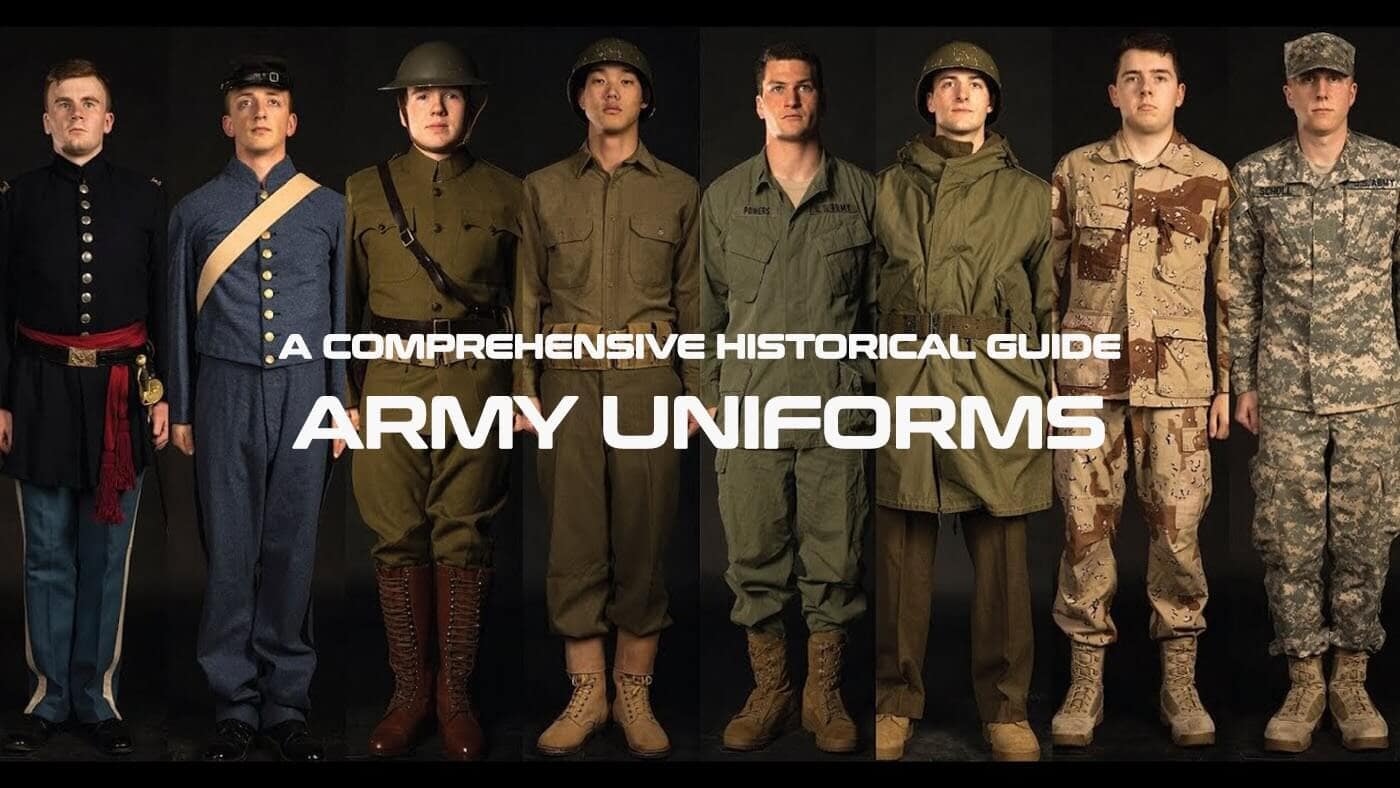
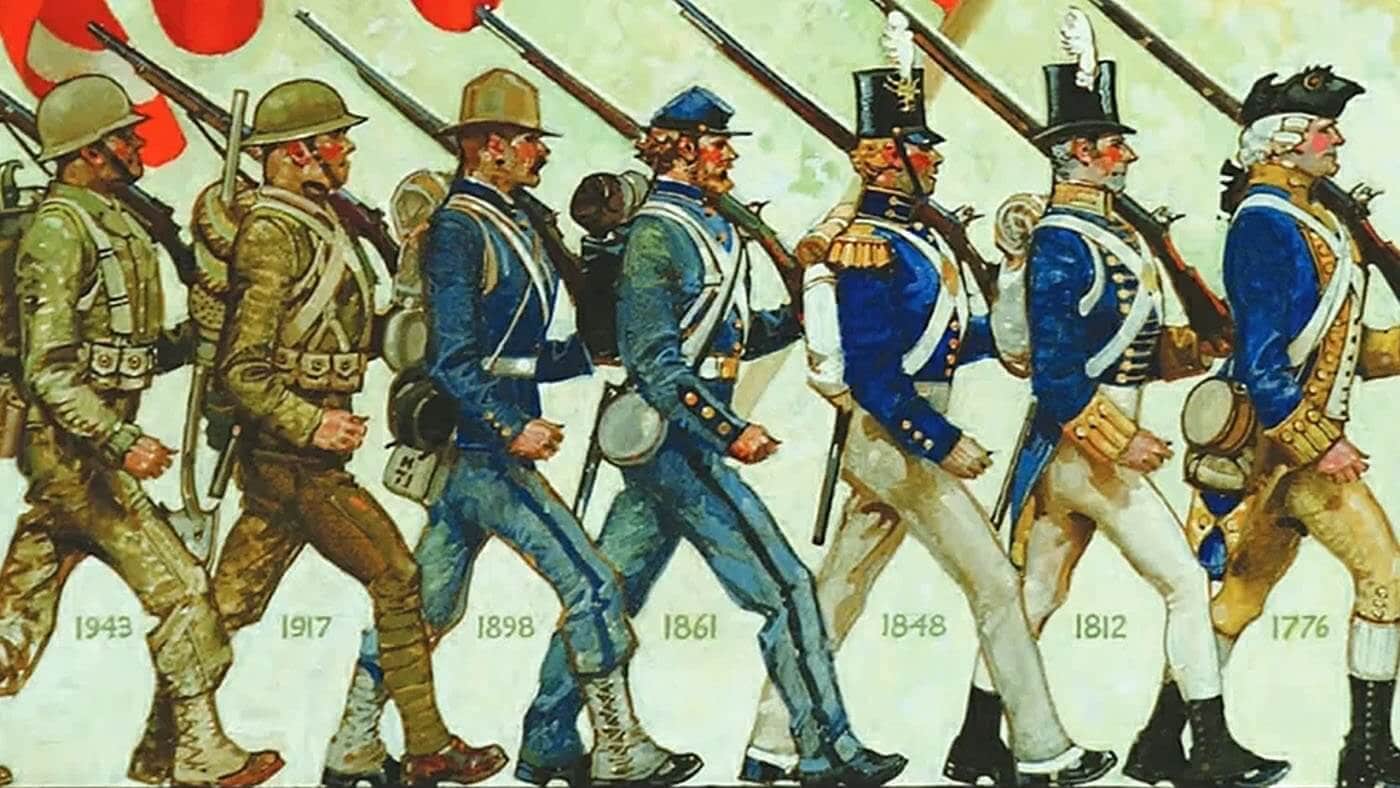
In the nascent years of the United States, military attire was far from standardized. Colonial militias often wore their everyday clothing or simple distinctions like sashes or cockades to denote their affiliation. The Continental Army during the Revolutionary War saw the adoption of blue coats, a common military color across Europe, though standardization remained a challenge. Following independence, efforts were made to create a more unified appearance. By the War of 1812, the Army had moved towards more distinct uniforms, often featuring dark blue coats with colorful facings and distinctive headgear, aiming to project a more professional and cohesive military image.
Evolution Through the 19th Century: Civil War and Beyond
The 19th century witnessed significant changes, most notably during the American Civil War. The Union Army was primarily associated with blue coats and trousers, while the Confederate Army adopted various shades of gray and butternut. This period highlighted the importance of uniforms not just for identification but as symbols of allegiance. Post-Civil War, the Army experimented with different designs and fabrics, gradually moving towards more practical, yet still formal, attire. The iconic "blue coat" remained prevalent for dress occasions, while field uniforms began to adapt to the demands of changing warfare and climate.
World Wars and Modernization: Function Over Form (WWI to WWII)
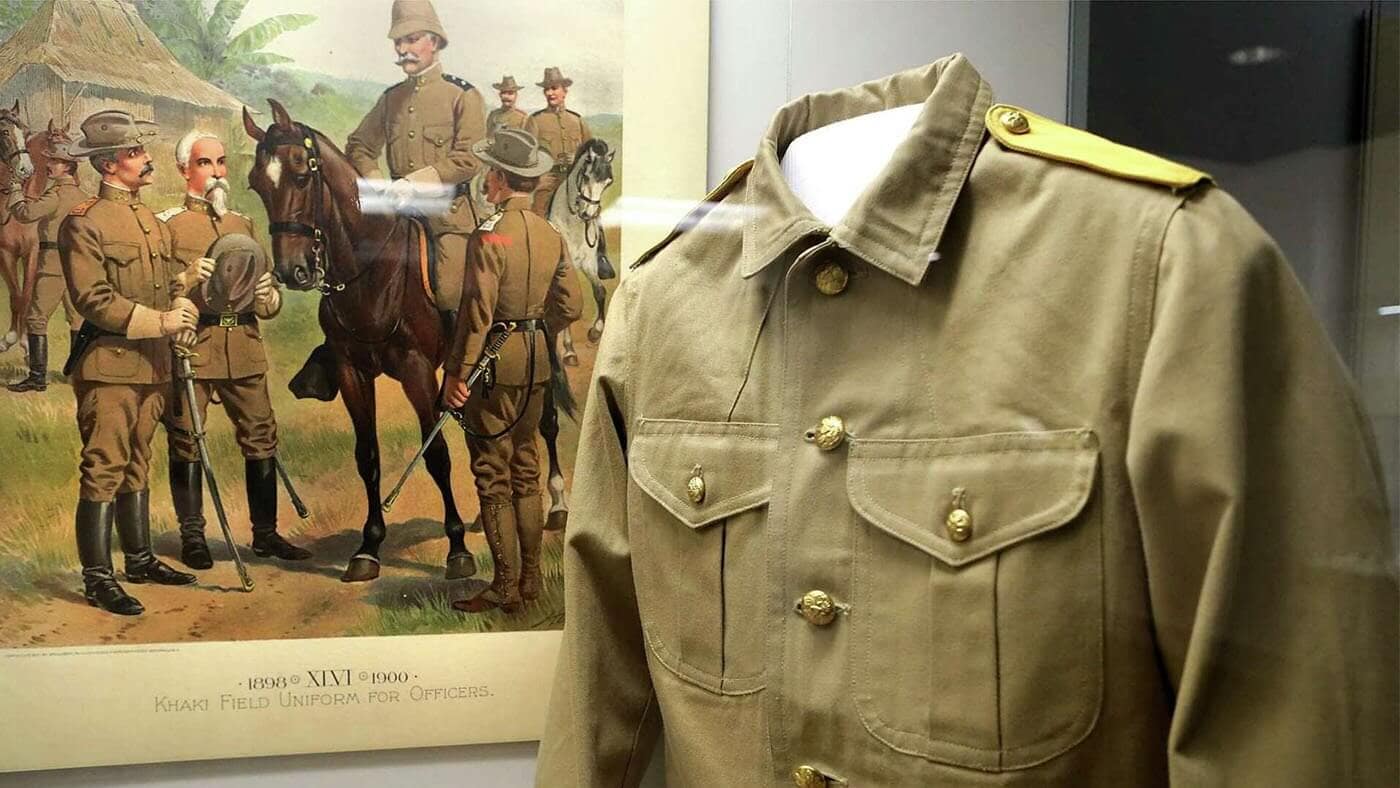
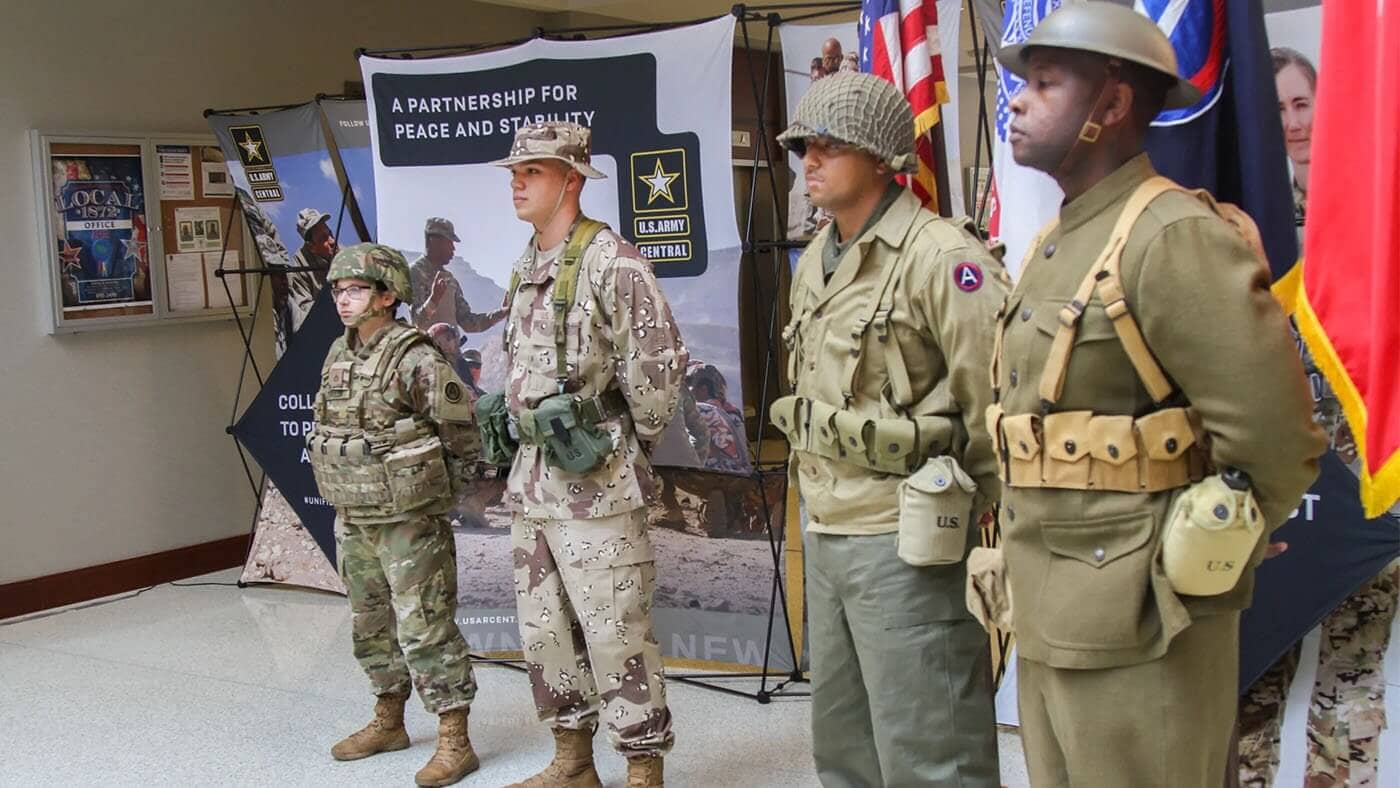
The early 20th century, encompassing World War I and World War II, marked a significant shift towards practicality and functionality in Army uniforms. The horrors and scale of World War I necessitated uniforms that could withstand harsh conditions and offer better concealment. This era saw the introduction of olive drab (OD) wool uniforms, a more subdued color that was easier to produce and more suited for field operations. World War II further refined these designs. The iconic OD field uniform became synonymous with the American G.I., providing a durable and relatively comfortable attire for global deployment. While blue coats were still used for formal occasions, the emphasis increasingly shifted to the functional needs of a modern fighting force.
Cold War Era and Uniform Experimentation (Vietnam, Post-Vietnam)
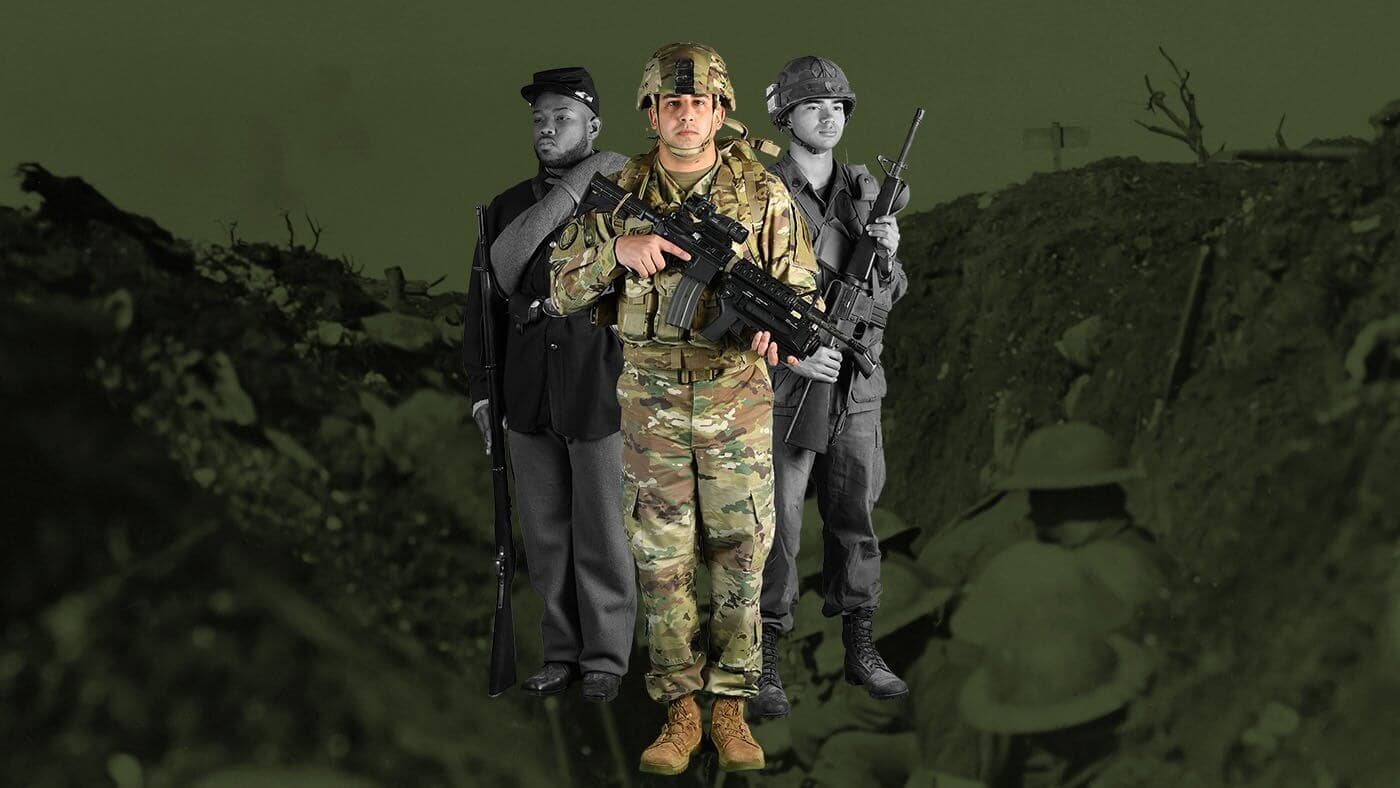
The Cold War era brought new challenges and a renewed focus on camouflage. The Vietnam War dramatically accelerated the adoption and development of camouflage patterns. The introduction of the Woodland camouflage pattern for the Army Combat Uniform (ACU) represented a significant departure from the solid OD green, offering improved concealment in jungle environments. Post-Vietnam, the Army continued to refine its combat uniforms, with subsequent iterations aiming for better comfort, durability, and integrated functionality for carrying equipment. The transition from Woodland to the Universal Camouflage Pattern (UCP) in the early 2000s was a notable, albeit controversial, experiment before further evolution.
The 21st Century Transformation: Adapting to Global Challenges
The 21st century has been a period of rapid transformation for U.S. Army uniforms, driven by the demands of persistent global operations and technological advancements. The most significant shift has been the widespread adoption of the Operational Camouflage Pattern (OCP). This pattern, offering superior versatility across diverse environments, effectively replaced the UCP. Beyond combat uniforms, the 21st century has also seen a re-evaluation of service uniforms, leading to the reintroduction of the Army Green Service Uniform (AGSU) as a nod to historical heritage and a vision for the future of professional dress. This ongoing evolution underscores the Army's commitment to adapting its identity to meet contemporary challenges while honoring its rich past.
Decoding the Dress Code: Current U.S. Army Uniform Types
The U.S. Army employs a tiered system of uniforms, each designed for specific operational environments and levels of formality. Understanding these distinct types is crucial to appreciating the breadth of Army dress.
The Army Combat Uniform (ACU): The Warrior's Workhorse
The Army Combat Uniform (ACU) is the standard operational attire for soldiers. The current iteration features the Operational Camouflage Pattern (OCP), chosen for its effectiveness across a wide range of terrains and climates. The OCP replaced the earlier Universal Camouflage Pattern (UCP), which proved less effective than anticipated. OCP Uniforms are now widely available, including in the ACU. The ACU is designed for durability, comfort, and functionality, incorporating features like hook-and-loop fasteners for patches, reinforced stress points, and specialized pockets for equipment. It is worn by soldiers in garrison, during training, and while deployed in operational environments, embodying the warrior ethos.
The Army Service Uniform (ASU): Professionalism and Pride
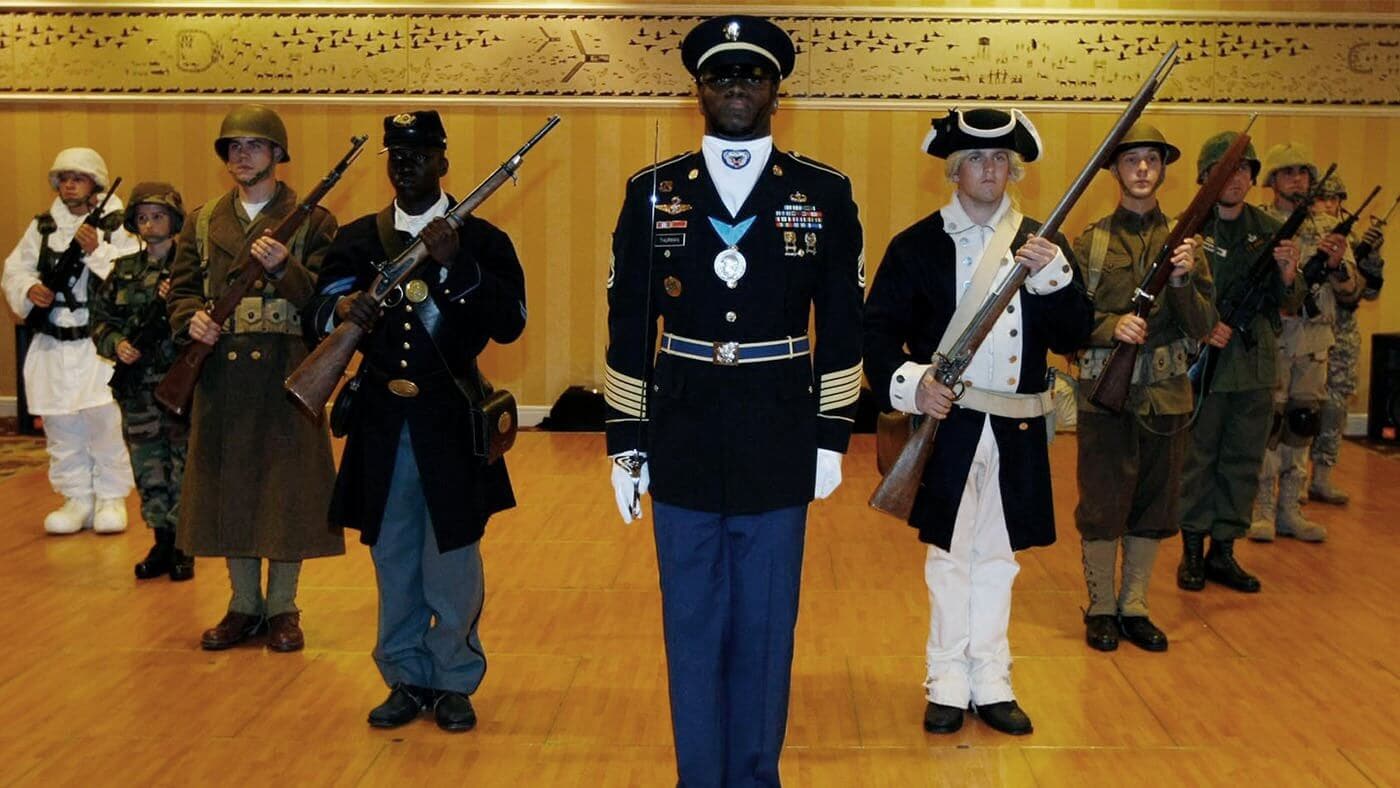
The Army Service Uniform (ASU) represents the formal business and dress uniform for soldiers. It is characterized by its professional appearance, often featuring a dark blue coat and trousers (for males) or skirt (for females), white shirt, and tie. The ASU is worn for formal occasions, ceremonies, and in situations where a polished, professional demeanor is paramount. While its current form was introduced in 2008, it carries a legacy of blue coats that have long been associated with Army formality, harkening back to earlier eras of military dress.
The Army Green Service Uniform (AGSU): A Nod to Heritage, A Vision for the Future
The Army Green Service Uniform (AGSU), often referred to as the "Army Green" uniform, marks a significant return to historical roots, drawing inspiration from the service uniforms worn from the 1930s through the 1950s, including during World War II. This uniform is intended to become the primary daily service uniform for the Army. It features a green coat, trousers or skirt, and shirt, embodying a classic and professional aesthetic. The AGSU is designed to be a more adaptable and historically resonant alternative to previous service uniforms, representing the "Next" step in the evolution of Army professional dress, fostering a connection to the enduring heritage of the Army.
The Army Physical Fitness Uniform (APFU): Readiness in Motion
The Army Physical Fitness Uniform (APFU) is specifically designed for physical training and maintaining soldiers' readiness. It typically consists of comfortable, moisture-wicking shorts and t-shirts, often in subdued colors like black or gray, allowing for maximum freedom of movement. The APFU ensures that soldiers can engage in rigorous physical drills and exercises while maintaining a consistent and appropriate standard of dress. A Long Sleeve variant is also available for cooler weather.
The Language of Dress: Insignia, Badges, and Awards
Beyond the basic uniform fabric, a complex system of insignia, badges, and awards communicates critical information about a soldier's service, qualifications, and accomplishments.
Rank Insignia: Displaying Authority and Experience
Rank insignia are perhaps the most universally recognized element of a military uniform. They clearly denote a soldier's position within the chain of command, distinguishing enlisted personnel from officers and indicating specific grade levels. These insignia, whether worn on the collar, sleeves, or shoulders depending on the uniform type, are a fundamental visual cue of authority, responsibility, and experience.
Identification and Unit Patches
Unit patches, such as the Shoulder Sleeve Insignia (SSI), serve as proud identifiers of a soldier's unit affiliation. These patches often feature unique designs that represent the history, lineage, and combat heraldry of a particular unit. Name tapes bearing the soldier's last name are also essential for clear identification, particularly on combat uniforms.
Skill and Combat Badges
Skill and combat badges are awarded to soldiers who have successfully completed specialized training or demonstrated proficiency in specific military tasks. Examples include the Combat Action Badge, awarded for engaging in direct combat, or badges signifying airborne or air assault qualifications. These insignia visually attest to a soldier's specialized skills and courage under fire.
Service Medals & Ribbons: Recognizing Valor and Achievement
Service medals and their accompanying ribbons are awarded for participation in specific campaigns, acts of valor, or sustained periods of distinguished service. They represent a tangible record of a soldier's achievements and contributions. The order in which ribbons are worn follows strict precedence, further contributing to the visual narrative of a soldier's career.
Other Essential Uniform Accessories
Various other accessories contribute to the complete uniform. These can include specific types of headgear (such as berets, patrol caps, or garrison caps), belts, boots, gloves, and organizational logos that may be present on certain approved items. The specific regulations for these items vary by uniform type and service branch, ensuring a standardized and professional appearance.
The Guiding Principles: U.S. Army Uniform Regulations (AR 670-1)
The consistent and correct wear of Army uniforms is governed by a comprehensive set of regulations, primarily outlined in Army Regulation 670-1, "Wear and Appearance of Army Uniforms and Insignia." This document serves as the ultimate authority on all matters relating to military dress.
Understanding AR 670-1: The Foundational "Rulebook"
AR 670-1 is the definitive guide for every soldier regarding how to wear their uniform correctly. It details everything from the proper placement of insignia and patches to acceptable grooming standards and the specific wear context for each uniform type. Adherence to AR 670-1 is not merely about appearance; it is a reflection of a soldier's discipline and respect for the institution.
General Appearance and Grooming Standards
Beyond the uniform itself, AR 670-1 establishes stringent standards for personal grooming. This includes guidelines on hairstyles, facial hair, makeup, and jewelry, all of which are intended to present a neat, professional, and disciplined appearance. These standards ensure that soldiers present a unified and serious image, regardless of their individual preferences.
Proper Wear and Maintenance for Highest Quality and Professionalism
The regulation also emphasizes the importance of maintaining the uniform in pristine condition. This involves proper cleaning, pressing, and repair of all uniform items. A well-maintained uniform reflects pride in oneself and the Army. Neglecting uniform maintenance can lead to a perception of sloppiness and a lack of discipline, undermining the soldier's overall bearing and the Army's image.
The Role of Army Recruiters and Initial Entry Soldiers in Uniform Indoctrination
From the moment a recruit enters service, they begin an intensive indoctrination into the importance of Army uniforms. Army recruiters play a crucial role in introducing prospective soldiers to the standards and significance of military dress. At basic training, drill sergeants meticulously enforce uniform regulations and grooming standards, instilling discipline and respect for the uniform from day one. This foundational training ensures that every new soldier understands their responsibility to wear their uniform with pride and adherence to all regulations.
Beyond the Fabric: Symbolism, Pride, and Purpose
The true significance of the U.S. Army uniform extends far beyond its practical application. It is a powerful symbol that instills pride, fosters unit cohesion, and connects soldiers to a rich historical legacy.
Projecting Military Prowess and National Identity
To the public, the Army uniform is a visible representation of national defense and military capability. It projects an image of strength, readiness, and the nation's commitment to its security. The crispness of an ASU, the functional readiness of an ACU, or the historical resonance of an AGSU all contribute to this broader perception of military prowess and national identity.
Building Esprit de Corps and Unit Cohesion
When soldiers wear the same uniform, it fosters a powerful sense of belonging and shared identity. This "esprit de corps" is crucial for unit cohesion and morale. The uniform serves as a constant visual reminder that each soldier is part of a larger team, working towards common goals, whether on drills or in combat.
Honoring History and Heritage Through Dress
The evolution of Army uniforms is a living testament to the history of the United States Army. The reintroduction of the Army Green Service Uniform, for instance, directly connects current soldiers to the experiences and traditions of past generations. Wearing these uniforms allows soldiers to honor the legacy of those who served before them, carrying forward their spirit of duty and sacrifice.
Conclusion
The U.S. Army uniform is a multifaceted symbol, embodying identity, history, professionalism, and the unwavering commitment of its soldiers. From its earliest, more rudimentary forms to the sophisticated designs of today, the uniform has consistently evolved to meet the demands of warfare and the changing needs of the nation. The strict regulations, epitomized by AR 670-1, ensure that this powerful symbol is worn with the discipline and respect it warrants. Whether it’s the rugged utility of the Army Combat Uniform, the formal presentation of the Army Service Uniform, or the heritage-rich Army Green Service Uniform, each garment tells a story. The global military uniform market, valued at billions of dollars, underscores the universal importance of standardized military dress. In North America, particularly driven by U.S. defense spending, this market remains significant. The journey of Army uniforms is a continuous narrative of adaptation and tradition, reflecting the enduring spirit of service and the steadfast dedication to upholding the highest standards of military bearing. As the Army continues to face new challenges, its uniforms will undoubtedly continue to evolve, always serving as a proud emblem of those who defend our nation.