Listen to this article
Table of Contents
- Essential First Aid Kit Contents & Your DIY Guide
- Introduction: Be Prepared, Not Scared
- The Foundation: Understanding the "Why" Behind Your Kit
- DIY vs. Pre-Made First Aid Kits: Which Path is Right for You?
- The Core Essentials: Universal Must-Haves for Every First Aid Kit
- Beyond the Basics: Advanced Preparations for Serious Trauma & Emergencies
- Customizing Your Kit: Tailoring to Your Lifestyle and Environment
- Assembling Your DIY Kit: Smart Strategies for Organization & Storage
- Maintaining Your Lifeline: Keeping Your First Aid Kit Ready
- Beyond the Kit: The Indispensable Role of Training & Knowledge
- What's Next?
- FAQs
Essential First Aid Kit Contents & Your DIY Guide
An unexpected injury or sudden illness can strike at any moment, whether you're at home, on the road, or enjoying the great outdoors. In these critical situations, having a well-stocked and organized first aid kit isn't just a convenience; it's a vital component of personal safety and readiness. But what's in a first aid kit? This comprehensive guide will empower you to understand the fundamental components of any effective first aid kit, explore the benefits of building your own versus purchasing a pre-made option, and provide actionable steps to create a medical kit tailored to your specific needs and lifestyle. By the end of this guide, you will have the knowledge and confidence to assemble and maintain a reliable first aid kit, ensuring you are prepared to act decisively and effectively when it matters most, transforming potential panic into confident action.
Introduction: Be Prepared, Not Scared
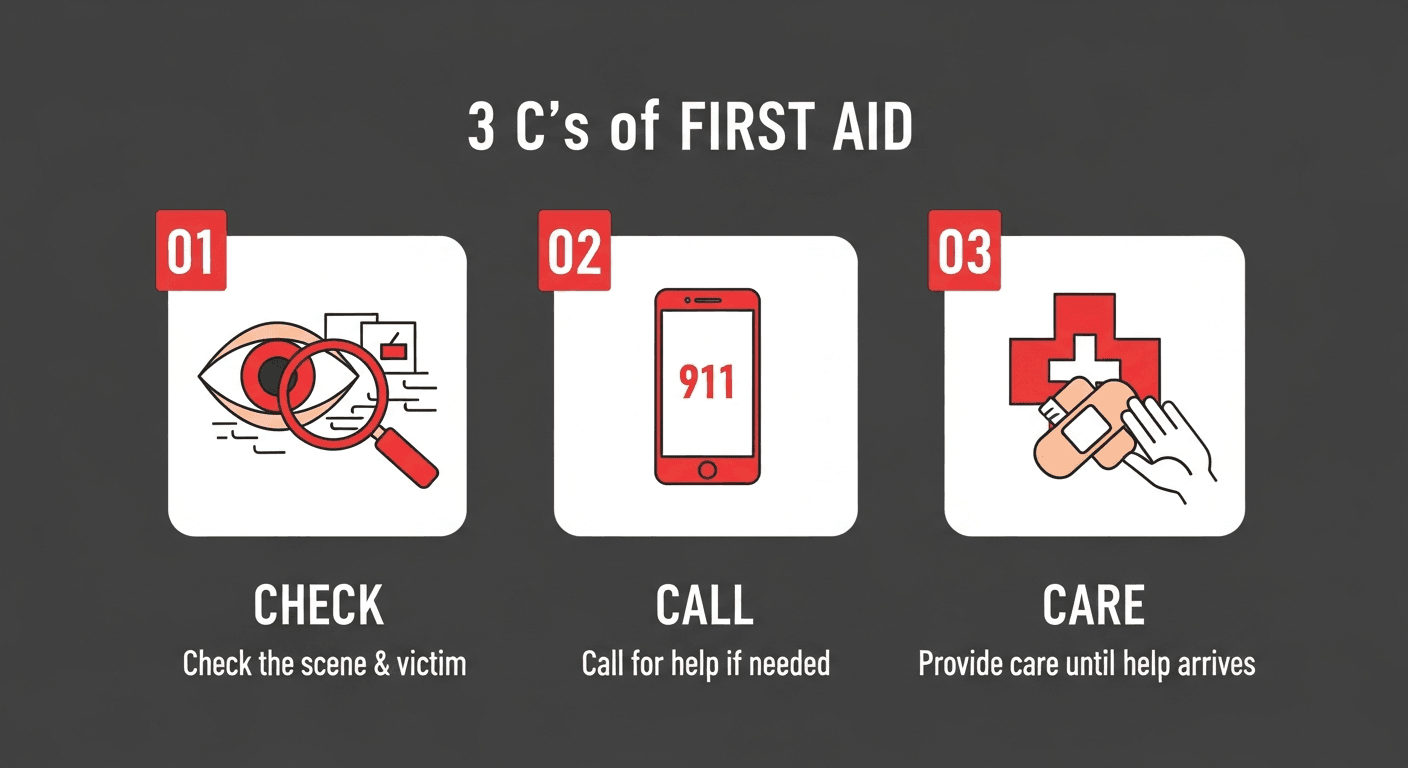 The 3 C's of First Aid provide a simple, memorable action plan for any emergency.
The three fundamental principles of first aid, often referred to as the "3 C's," are: Check, Call, and Care. First, you must Check the scene for safety and the victim for consciousness and injuries. Next, if necessary, Call for emergency medical services. Finally, provide Care until professional help arrives. Having a comprehensive first aid kit is essential for the "Care" component, equipping you with the necessary supplies to manage injuries and ailments effectively. This guide will equip you with the knowledge to build or select the best possible first aid kit, ensuring you are ready for common accidents and unexpected emergencies.
The Undeniable Need for a First Aid Kit: Why readiness is paramount for common injuries and unexpected emergencies, at home or away.
Emergencies, both minor and severe, are an unavoidable part of life. From a child's scraped knee at home to a sprained ankle during a hike, or a more serious incident during travel, the ability to provide immediate care can significantly impact outcomes. A first aid kit serves as the first line of defense, enabling prompt treatment that can prevent complications, alleviate pain, and stabilize a situation until professional medical help can be obtained. In 2023, an estimated 175,300 preventable injury-related deaths occurred in homes and communities, highlighting the critical role of preparedness in mitigating these risks. Having readily available medical supplies can mean the difference between a minor inconvenience and a life-threatening situation.
DIY vs. Pre-Made: Making an Informed Choice
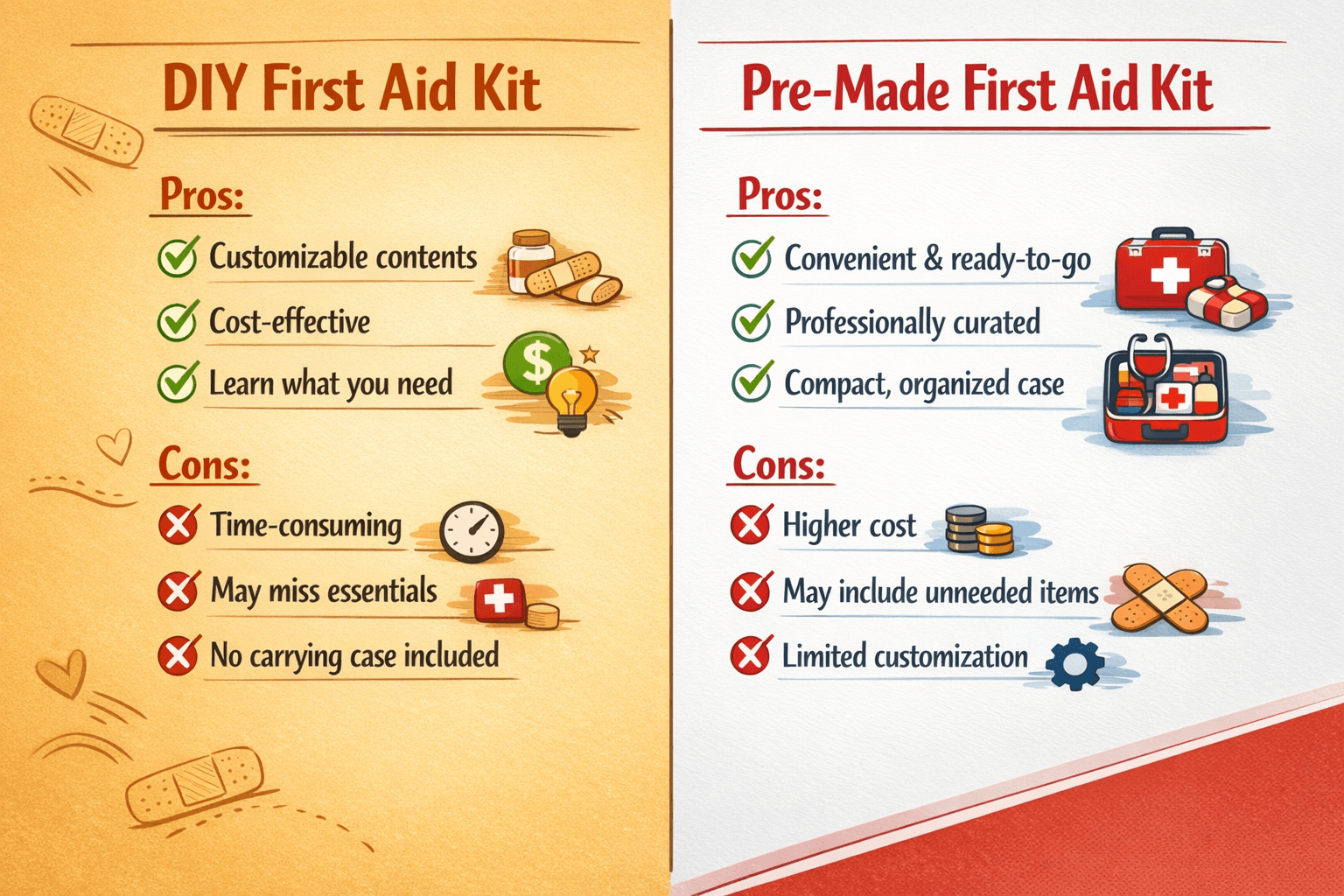
Weighing the pros and cons of building your own first aid kit versus buying one off the shelf.
When it comes to equipping yourself with a first aid kit, two primary avenues exist: purchasing a pre-made kit or building your own from scratch. Each approach offers distinct advantages and disadvantages. Pre-made kits provide convenience and a foundational set of essentials, often packaged for specific purposes. Conversely, a do-it-yourself (DIY) approach offers unparalleled customization, allowing you to select specific supplies based on your unique needs, risk factors, and intended use. Understanding these options is the first step toward ensuring you have a kit that truly meets your preparedness goals.
The Foundation: Understanding the "Why" Behind Your Kit
A first aid kit is more than just a collection of items; it's a proactive measure designed to address a wide spectrum of potential medical emergencies. Its primary purpose is to provide immediate, on-the-spot care for injuries and illnesses. This foundational understanding is crucial because it informs every decision you make when selecting or assembling your kit. Whether it’s managing a minor cut at home, addressing a burn, dealing with an allergic reaction, or responding to a sprain, the contents of your first aid kit are intended to stabilize the situation, reduce suffering, and prevent further harm. Moreover, the mere presence of a well-stocked kit can alleviate anxiety, fostering a sense of control in stressful emergency scenarios.
DIY vs. Pre-Made First Aid Kits: Which Path is Right for You?
Deciding whether to build your own first aid kit or purchase a pre-made one is a pivotal choice that hinges on your individual circumstances, priorities, and comfort level. Both options have their merits, and the "best" approach is highly subjective. Considerations include your budget, the intended environments for the kit (home, car, hiking, etc.), your personal health needs, and the amount of time you wish to invest. Understanding the inherent strengths and weaknesses of each path will guide you toward the most effective and personalized solution for your emergency preparedness strategy.
The Advantages of a DIY Approach:
Building your own first aid kit offers a significant degree of control and personalization. Those who choose a DIY first aid kit often do so because they can tailor it precisely to their anticipated needs. This means including specific quantities of supplies that are most relevant to their lifestyle, rather than relying on generic provisions. For instance, someone with young children might prioritize a greater quantity of various adhesive bandages and child-specific medications. An avid hiker might ensure ample blister treatment and wound care supplies. Furthermore, a DIY approach often allows for better quality control, enabling you to select products from reputable manufacturers or opt for specific types of gauze or bandages that you trust. It also presents an excellent opportunity to learn about each item and its purpose, deepening your understanding of first aid principles. For cost-conscious individuals, building a kit can sometimes be more economical, as you can purchase items in bulk or during sales, avoiding the markup often associated with pre-assembled kits. It also means you can omit items you don't need, reducing unnecessary clutter and expense.
The Benefits and Drawbacks of Pre-Made Kits:
Pre-made First Aid Kits offer a compelling advantage in terms of convenience and accessibility. They are readily available at many retail outlets, making them a quick solution for obtaining basic emergency supplies. These kits are often designed with a general purpose in mind, providing a foundational assortment of essentials that cover common minor injuries. For individuals who are new to emergency preparedness or have limited time, a pre-made kit is an excellent starting point. It ensures that you have a baseline level of readiness without the need for extensive research and shopping. Many kits are also neatly organized and packaged in durable containers, making them easy to store and transport.
However, pre-made kits are not without their drawbacks. They can sometimes be a "one-size-fits-all" solution that may not adequately address specific personal or environmental needs. You might find yourself paying for supplies you'll never use, or conversely, lacking critical items that are essential for your particular circumstances. The quality of products can also vary significantly between brands. Furthermore, pre-made kits may not include advanced medical kit items or specialized gear that could be crucial for certain activities like hiking or camping. Expiration dates on medications and sterile items also need careful monitoring in pre-made kits, as they might have been sitting on a shelf for some time.
The Core Essentials: Universal Must-Haves for Every First Aid Kit
Regardless of whether you choose a DIY or pre-made approach, certain essentials form the bedrock of any effective first aid kit. These are the fundamental supplies designed to handle the most common injuries and ailments. Having these items readily available allows for immediate and effective intervention, preventing minor issues from escalating and providing comfort and care until professional medical assistance can be secured. Understanding what constitutes these core essentials is crucial for building a robust and reliable emergency kit.
Wound Cleaning & Antiseptics:
Maintaining cleanliness is paramount when treating any injury to prevent infection. This section covers the vital supplies for this crucial step.
- Antiseptic Wipes/Solution: Individually packaged antiseptic wipes (e.g., containing isopropyl alcohol or benzalkonium chloride) are convenient for cleaning skin around wounds and on hands. A bottle of antiseptic solution can be more economical for larger-scale cleaning.
- Sterile Saline Solution or Water: Essential for flushing wounds, irrigating debris, and cleaning cuts or abrasions without causing further irritation. Small, single-use vials are ideal for portability.
- Antibiotic Ointment: A thin layer applied to minor cuts, scrapes, and burns helps to prevent infection and keep the wound moist, promoting healing.
Bandaging & Dressings for Minor Injuries:
Proper wound covering is critical for protection, absorption of fluids, and promoting a sterile healing environment. This category includes a variety of gauze and bandages.
- Gauze Pads: Gauze pads are versatile and indispensable. Include a range of sizes, such as 2x2 inch, 3x3 inch, and 4x4 inch, to accommodate different wound dimensions. Sterile gauze pads are essential.
- Roller Gauze/Conforming Bandages: These are used to secure dressings in place, especially on limbs, or to provide light compression. Various widths are beneficial.
- Adhesive Bandages: Adhesive bandages, commonly known as Band-Aids, are essential for covering small cuts and abrasions. A variety pack with different sizes and shapes, including waterproof options, is highly recommended.
- Non-Adherent Pads: These pads are useful for wounds that may stick to regular gauze, reducing pain and trauma during dressing changes.
- Medical Tape: Hypoallergenic medical tape is needed to secure gauze pads and dressings, especially on sensitive skin.
- Trauma/ABD Pads: Larger, absorbent pads designed for more significant wounds that require substantial coverage and absorption.
Over-the-Counter Medications & Topical Relief:
Addressing pain, inflammation, and allergic reactions promptly is a key function of any first aid kit. Including a selection of readily available over-the-counter medications is vital.
- Pain Relievers: Acetaminophen (Tylenol) and Ibuprofen (Advil, Motrin) are effective for managing pain and reducing fever. Include both for broader pain management options.
- Antihistamine: Oral antihistamine medication (e.g., diphenhydramine/Benadryl) is crucial for treating mild allergic reactions, insect bites, and stings.
- Antacids: For relief from indigestion and heartburn.
- Anti-diarrheal Medication: Such as Loperamide (Imodium) for managing diarrhea.
- Hydrocortisone Cream: A topical cream for relieving itching, redness, and inflammation from insect bites, rashes, and minor skin irritations.
- Aloe Vera Gel: Excellent for soothing minor burns and sunburns.
- Aspirin (with caveats): For suspected heart attack symptoms in adults, but consult medical professionals regarding its use.
More than 61% of human exposure calls to U.S. Poison Centers in 2023 involved pharmaceuticals, highlighting the importance of keeping medications safely stored and understanding their correct usage and potential risks.
Essential Tools & Instruments:
Certain tools are indispensable for administering first aid effectively and safely. These instruments facilitate wound care, splinter removal, and general assessment.
- Scissors: Blunt-tip safety scissors are essential for cutting gauze, tape, and clothing away from an injury site.
- Tweezers: Fine-tipped tweezers are necessary for removing splinters, thorns, or other small foreign objects from the skin. Ensure they are clean and sharp.
- Thermometer: A digital thermometer is useful for taking body temperature to assess fever.
- Safety Pins: Versatile for securing bandages, slings, or temporarily fastening torn clothing.
- Small Flashlight: Useful for examining wounds in low light conditions or signaling. Ensure you have spare batteries.
- Magnifying Glass: Can aid in locating tiny splinters or inspecting small wounds.
Personal Protection for the Caregiver:
Your safety is paramount when providing first aid. These items help protect both you and the injured person from the transmission of infections.
- Disposable Gloves: Latex-free disposable gloves are essential to create a barrier against bodily fluids. Having several pairs readily available is important.
- CPR Breathing Barrier/Mask: A device that allows for mouth-to-mouth resuscitation while creating a barrier to prevent direct contact.
- Hand Sanitizer: Alcohol-based hand sanitizer is useful for cleaning hands when soap and water are not immediately available.
Only about one-third of U.S. adults say they feel confident and ready to act if someone goes into cardiac arrest, underscoring the importance of both having the supplies and the knowledge to use them. The emergency kit is your tool for physical intervention.
Miscellaneous But Critical Items:
Beyond the more common supplies, several other items significantly enhance the utility of your first aid kit.
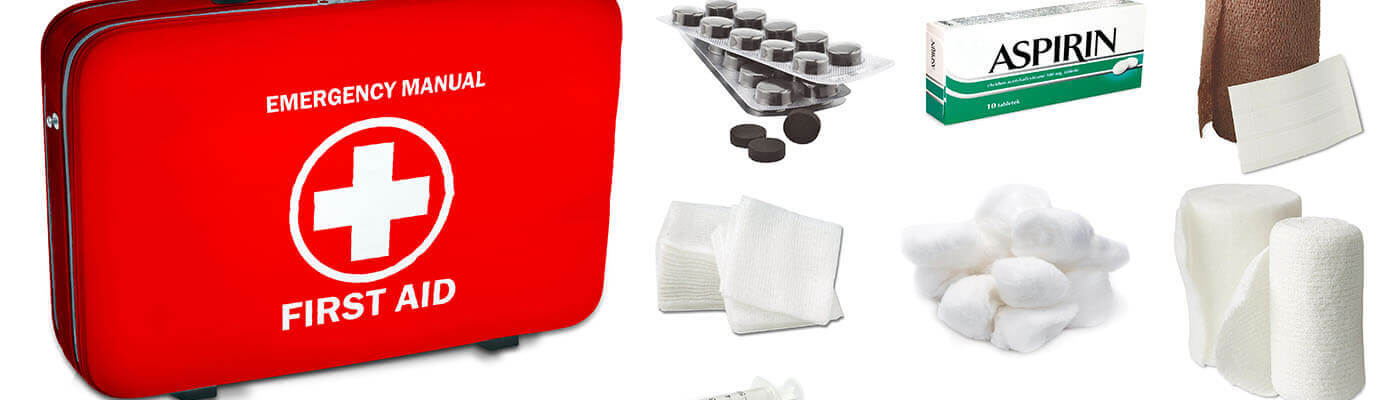
- First Aid Guide/Manual: A concise, illustrated guide providing instructions for treating common injuries and medical emergencies. This is invaluable when under stress.
- Emergency Contact Information: A list of emergency contacts, including family members, doctors, and poison control numbers.
- Notebook and Pencil: For recording vital signs, times of medication administration, or observations to relay to medical professionals.
- Instant Cold Packs: Provide immediate cold therapy for sprains, strains, and bruises.
- Eye Wash Solution: Sterile solution for flushing irritants from the eyes.
Beyond the Basics: Advanced Preparations for Serious Trauma & Emergencies
While the core essentials cover most everyday incidents, a truly comprehensive medical kit should also consider more severe trauma and unexpected emergencies. These advanced supplies are not substitutes for professional medical care but are crucial for stabilizing patients and managing potentially life-threatening conditions until help arrives.
Understanding Severe Bleeding Control (Bleeding Control Kits):
Severe bleeding is a critical emergency that requires immediate and effective intervention. While basic gauze and bandages are useful, advanced supplies are designed for more serious hemorrhage.
- Hemostatic Gauze: This specialized gauze is impregnated with agents that help to rapidly stop bleeding by promoting clotting. It's particularly useful for deep wounds or arterial bleeding. Proper training is recommended for its use.
- Tourniquets: A life-saving device for severe, life-threatening limb hemorrhage that cannot be controlled by direct pressure. It is critical to receive proper training on the application and use of tourniquets, as improper use can cause harm. Combat Application Tourniquets (CAT) or SOFTT-W are commonly recommended types.
- Trauma Shears: Robust shears capable of cutting through clothing and tough materials quickly to access a wound.
Airway & Breathing Support:
Maintaining an open airway and ensuring adequate breathing are fundamental to patient survival in critical situations.
- Nasopharyngeal Airway (NPA): A flexible tube inserted into the nasal passage to help maintain an open airway in an unresponsive individual who is breathing. Proper sizing and insertion technique are essential, and training is advised.
- Chest Seals: Used to treat open chest wounds (sog-chest wounds) where air can enter the chest cavity, potentially causing a collapsed lung. These seals help to occlude the wound, preventing pneumothorax.
Splinting & Immobilization:
For suspected fractures, dislocations, or severe sprains, immobilizing the injured area is crucial to prevent further damage and reduce pain.
- Triangular Bandages: Highly versatile for creating slings to support an injured arm or shoulder, or to secure splints.
- Elastic Bandages (Ace Bandages): Useful for providing compression to sprains and strains, or for securing splints.
- Splinting Materials: In more advanced kits or for outdoor activities, consider rigid splints (like SAM splints) that can be molded to immobilize limbs.
Personal Prescription Medications & Medical Devices:
For individuals with chronic health conditions, carrying a sufficient supply of personal medications and necessary medical devices is not just advisable, it's often essential for survival.
- Prescription Medications: Ensure you have an adequate supply of all prescribed medications, with clear dosage instructions. These should be kept in their original containers.
- Epinephrine Auto-Injector (EpiPen): For individuals with severe allergies (anaphylaxis).
- Asthma Inhaler: For managing asthma attacks.
- Glucose Meter and Insulin: For individuals with diabetes to manage blood sugar levels.
Including personal medications and devices transforms a general medical kit into a truly personalized and life-saving resource.
Customizing Your Kit: Tailoring to Your Lifestyle and Environment
A one-size-fits-all first aid kit rarely meets everyone's needs. The true power of a DIY first aid kit lies in its ability to be customized for specific environments and lifestyles. Tailoring your kit ensures you have the right supplies for the situations you are most likely to encounter, making your preparedness efforts far more effective.
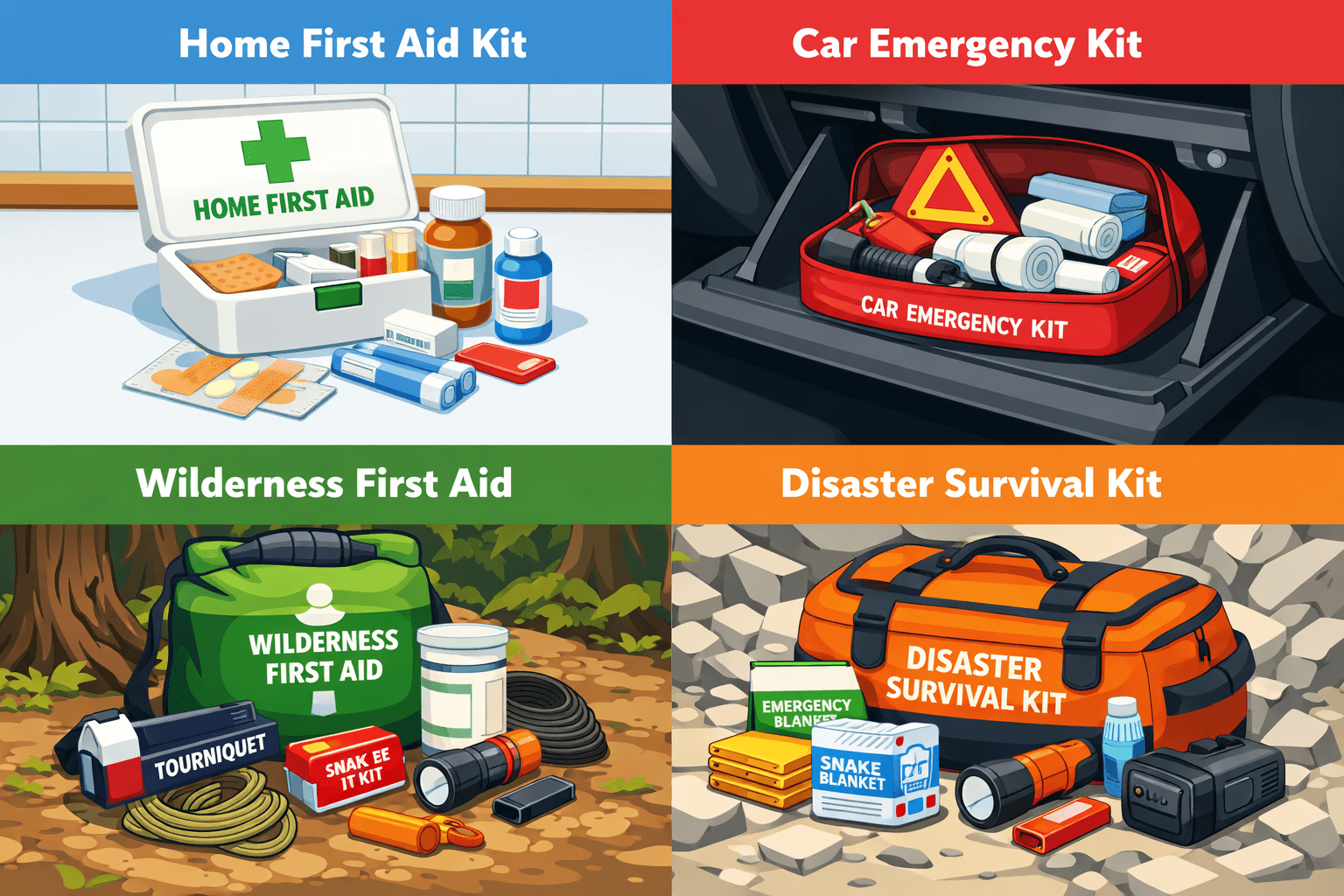
The Home First Aid Kit:
Your home is where the majority of common injuries occur. In 2023, poisonings accounted for 57% and falls for 26% of preventable deaths in the home, making a well-stocked home kit indispensable. This kit should be comprehensive, accessible, and clearly labeled. Consider:
- Quantity: Larger quantities of basic supplies like bandages, gauze, and antiseptic wipes.
- Family Needs: Include items specific to family members, such as pediatric dosages of medications, child-safe adhesive bandages, and any necessary personal prescriptions.
- Common Accidents: Focus on supplies for cuts, burns, stings, sprains, and minor allergic reactions.
- Accessibility: Store in a readily accessible location, but out of reach of young children.
The Car Kit / Travel-Ready Essentials:
A car emergency kit is crucial for roadside incidents and travel. In 2023, an estimated 2.44 million people were injured in traffic crashes in the United States, averaging 420 people every day. Of these, 153,452 people were injured in large truck crashes, underscoring the need for robust supplies. Your car kit should be:
- Compact and Durable: Designed to withstand temperature fluctuations and remain organized.
- Vehicle-Specific: Include items for common car-related issues like minor mechanical failures (e.g., duct tape, jumper cables).
- Travel Focus: Prioritize items for motion sickness, travel-related allergies, and basic wound care for on-the-go injuries.
- Visibility: Keep it in an easily accessible location within the vehicle.
Wilderness & Outdoor Kits (Hiking, Camping, Boating):
For outdoor enthusiasts, a specialized kit is essential. Hiking and camping carry unique risks, such as blisters, insect bites, and exposure.
- Blister Treatment: Moleskin, blister pads, and foot powder.
- Insect Repellent and Sting Relief: Crucial for comfort and preventing infections from bites.
- Sun Protection: Sunscreen and after-sun lotion.
- Water Purification Tablets: For emergency access to safe drinking water.
- Robust Wound Care: Larger bandages, more gauze pads, and potentially more aggressive antiseptic solutions.
- Splinting Materials: As mentioned in advanced supplies, for potential limb injuries.
- Navigation Tools: Compass and map, and a whistle for signaling.
- Headlamp/Flashlight: Essential for visibility and safety in low-light conditions, ensuring you have spare batteries.
What's in your first aid kit for day hikes? Focus on portability: small bandages, antiseptic wipes, pain relievers, blister treatment, and any personal medications.
Disaster Preparedness Kit Integration (Disaster Supplies Kit):
Your first aid kit should ideally be integrated into a broader disaster preparedness kit or emergency kit. This ensures you have provisions for extended periods without access to normal services.
- Water and Food: Non-perishable items for at least 72 hours.
- Shelter: Blankets, emergency bivvies.
- Communication: Battery-powered or hand-crank radio, cell phone with chargers.
- Sanitation: Toiletries, waste disposal bags.
- First Aid Integration: Ensure your primary first aid kit is stored with or easily accessible from your larger disaster supplies kit.
Assembling Your DIY Kit: Smart Strategies for Organization & Storage
The process of assembling your DIY first aid kit involves more than just gathering supplies; it requires strategic organization and thoughtful storage to ensure everything is quickly available and functional when needed. A well-organized kit can save critical seconds during an emergency.
Choosing the Right Container:
The container for your first aid kit is the first line of defense against damage and contamination.
- Durability: Opt for sturdy materials like robust plastic, canvas, or nylon.
- Water Resistance: A water-resistant or waterproof container protects contents from moisture, which can degrade medications and damage sterile items.
- Ease of Opening: The container should be easy to open quickly, even with one hand or under stress. Zippers, clasps, or buckle closures are common.
- Size and Portability: Choose a size appropriate for the intended use. A compact bag for a car kit, a larger bin for home, or a specialized pack for hiking.
- Visibility: A bright color (red, orange) or clear labeling helps in locating the kit quickly.
Logical Organization for Quick Access:
Once you have your container, organizing the contents logically is paramount. Grouping items by function makes them easy to find.
- Compartmentalization: Use smaller zip-top bags, pouches, or internal dividers to group similar items. For example, a bag for wound care, another for medications, and one for tools.
- Labeling: Clearly label each compartment or bag. This is especially important for medications and items that might look similar.
- Frequent Use Items: Place the most frequently used items (e.g., adhesive bandages, antiseptic wipes) in the most accessible locations.
- Sterile Items: Keep sterile gauze, bandages, and other sterile supplies protected and easily identifiable.
- Documentation: Keep your first aid guide, emergency contact list, and any personal medical information in a protected pocket or top-access area.
Essential Documentation:
Crucial information can be as vital as physical supplies in an emergency.
- Emergency Contact List: Names, phone numbers, and relationship for at least three emergency contacts.
- Personal Medical Information: A list of known allergies, chronic medical conditions, current medications (including dosage), and any relevant medical history for each family member.
- Insurance Information: Photocopies of insurance cards.
- Physician Contact Information: Name and phone number of your primary care physician and any specialists.
This documentation ensures that in a crisis, responders or helpers have critical information readily available.
Maintaining Your Lifeline: Keeping Your First Aid Kit Ready
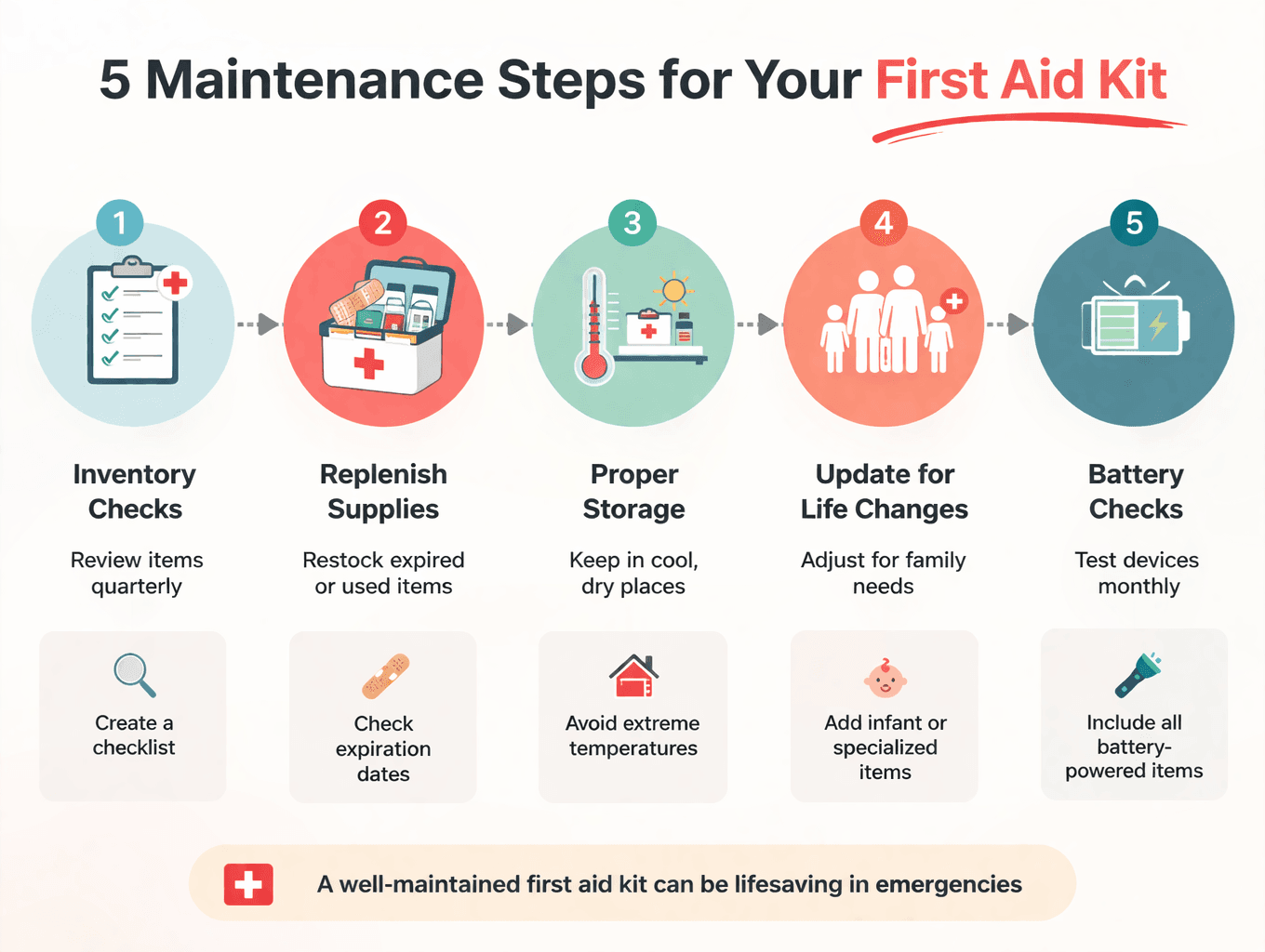
A first aid kit is not a set-it-and-forget-it item. Regular maintenance is crucial to ensure its contents are effective, up-to-date, and ready for immediate use. Over time, medications expire, sterile items lose their integrity, and items may be used without immediate replenishment.
- Regular Inventory Checks: Aim to review your kit every 6 to 12 months. This process should involve checking expiration dates on all medications, ointments, and sterile supplies. Note any items that have been used and need replacement.
- Replenishment: Replace any expired or used items promptly. Keep a running list of what you need to buy.
- Storage Conditions: Store your first aid kit in a cool, dry place, away from direct sunlight and extreme temperatures. Extreme heat or cold can degrade medications and compromise the integrity of other supplies. Over 70% of all out-of-of-home preventable injury-related deaths occurred in homes and communities in 2023, emphasizing the importance of well-maintained home kits.
- Updating for Life Changes: Periodically review your kit's contents in light of changes in your family's health, lifestyle, or the environment. For example, a new baby, a change in activity levels, or moving to a new region might necessitate adjustments to the supplies.
- Battery Checks: If your kit contains items powered by batteries (e.g., flashlight, thermometer), check and replace batteries annually or as needed.
Over 70% of all out-of-hospital cardiac arrests happen in the home, reinforcing the necessity of a well-maintained first aid kit and preparedness for such emergencies.
Beyond the Kit: The Indispensable Role of Training & Knowledge
While a well-stocked first aid kit is essential, its true value is unlocked when you possess the knowledge and skills to use its contents effectively. Having supplies without the know-how can be as problematic as having no kit at all.
Basic First Aid & CPR Classes:
Formal training in first aid and CPR (Cardiopulmonary Resuscitation) is invaluable. These courses provide hands-on experience and teach you how to:
- Assess a situation and the victim’s condition.
- Administer immediate care for common injuries like bleeding, burns, sprains, and fractures.
- Perform CPR and use an Automated External Defibrillator (AED) in cases of cardiac arrest.
- Recognize the signs of serious medical conditions like stroke and heart attack.
Only about one-third of U.S. adults say they feel confident and ready to act if someone goes into cardiac arrest, highlighting a critical gap that training can fill.
Knowing When to Call for Professional Help:
Understanding the limitations of your first aid knowledge and the capacity of your medical kit is as important as knowing what to do. Recognize when an injury or illness is beyond the scope of basic first aid and requires immediate professional medical attention. Signs include severe bleeding, loss of consciousness, difficulty breathing, suspected fractures, or any condition that causes significant pain or distress. Don't hesitate to Call emergency services (911 or your local equivalent) when necessary.
What's Next?
You've now explored the critical importance of first aid kits, dissected the benefits of both DIY and pre-made options, identified the core supplies and advanced items essential for comprehensive preparedness, and learned how to customize and maintain your kit. You understand that a well-equipped emergency kit is not merely a collection of products but a crucial tool that empowers you to respond effectively to unexpected situations, whether at home, in your car, or during outdoor adventures like hiking and camping.
Your next steps are clear and actionable:
- Assess Your Needs: Evaluate your lifestyle, family health, and typical environments (home, car, outdoor activities) to determine the specific supplies and customizations required for your first aid kit.
- Build or Acquire: Begin assembling your DIY kit by purchasing the identified essentials, or select a high-quality pre-made kit as a foundation.
- Organize and Document: Use the strategies outlined to organize your kit logically, ensuring quick access to all supplies. Crucially, include your essential documentation.
- Schedule Maintenance: Mark your calendar for regular inventory checks (every 6-12 months) and set a recurring reminder to replenish used or expired items.
- Seek Training: Enroll in a certified first aid and CPR course. This knowledge is the vital complement to your physical medical kit.
By taking these proactive steps, you transform the abstract concept of preparedness into a tangible reality, gaining peace of mind and the confidence to handle emergencies effectively. Your first aid kit is an investment in safety and well-being for yourself and those you care about.
Downloadable First Aid Kit Check List
FAQs
What are the 3 C's of First Aid
The three fundamental principles of first aid, often referred to as the "3 C's," are: Check, Call, and Care. First, you must Check the scene for safety and the victim for consciousness and injuries. Next, if necessary, Call for emergency medical services. Finally, provide Care until professional help arrives.
What are the Must Haves for Every First Aid Kit?
Wound Cleaning & Antiseptics
Bandaging & Dressings for Minor Injuries
Over-the-Counter Medications & Topical Relief
Essential Tools & Instruments
Personal Protection for the Caregiver
How do you maintain your first aid kit?
- Regular Inventory Checks
- Replenishment
- Storage Conditions
- Updating for Life Changes
- Battery Checks
How do you start building a first aid kit?
- Assess Your Needs
- Build or Acquire
- Organize and Document:
- Schedule Maintenance
- Seek Training