Listen to this article
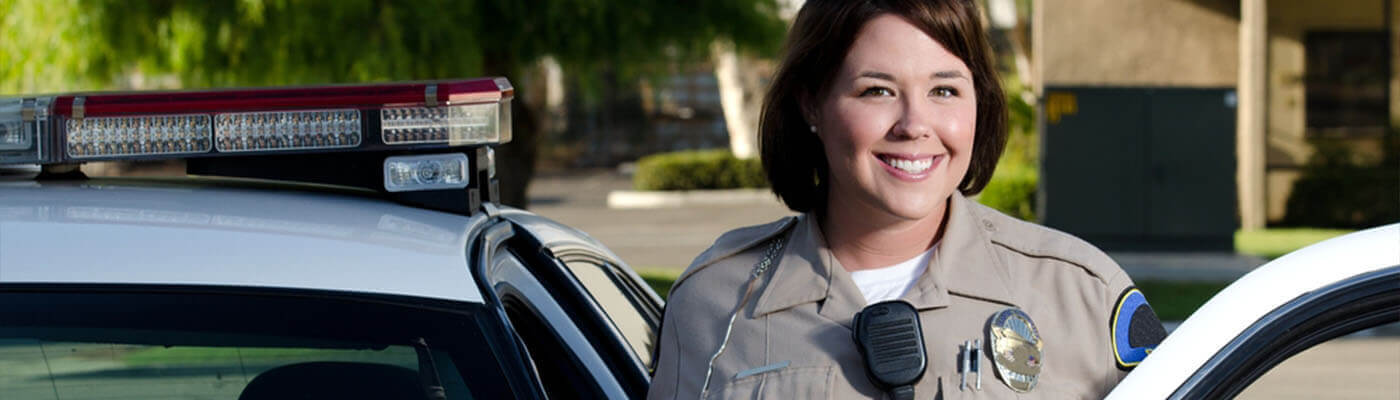
Law enforcement is a career goal for many people because of the excitement. No two days are the same in some career paths like police, deputy sheriffs and state troopers or highway patrol. Many individuals can trace their desire to work in law enforcement back to elementary school.
Let’s take a closer look at some of the most popular careers in law enforcement.
Deputy Sheriffs, Police and State Troopers
These are the most popular law enforcement officer careers. Many people in other law enforcement jobs have the ultimate goal to become a police officer, deputy or state trooper/highway patrol. There is only one key difference between these three positions. Deputies work for counties, police officers work in cities and towns and state troopers and highway patrol officers have jurisdiction over the whole state they work in.
They all enforce criminal and traffic laws. Troopers usually focus more on traffic instead of calls for a domestic disturbance and fights. But they still respond to assist other police agencies on those calls. There are different positions in all these departments, such as detectives who work homicides, grand larcenies, sexual assaults, etc.
Their levels of training will vary greatly. But they must all pass a state exam (if there is one for your state) and are taught the same state-mandated topics. For example, they will all take courses in defensive tactics and firearms. But the city and county academies may only teach a week of each, where the state police academy may provide two weeks of training on each.
There are other state, federal and local law enforcement officers, such as game wardens, forest service officers, U.S. marshals, border patrol agents, officers who enforce alcohol and tobacco laws and more. There are plenty of options when it comes to police positions.
Some of their job duties include:
- Enforcing state and local traffic and criminal laws
- Responding to emergency and routine calls for service
- Report writing
- Investigation of property and personal crimes–major and minor
- Teaching other officers
- Field training new officers
- Crime scene investigations
- Taking classes to upkeep certifications
- Courtroom testimony
- Undercover investigations
Correctional Officers
Correctional officers are one of the most underappreciated law enforcement officer positions in the criminal justice system. They play a vital role in the system and often have the least amount of training for a tough job.
Correctional officers work for state, federal and local jails. The officers working in local jails are often sworn sheriff’s office deputies with full arrest powers, and they are often called jailors in some locations. One reason is to differentiate between correctional officers, who are the law enforcement officers who work in federal and state prisons, versus a local jail. The local jail is where inmates are held awaiting trials versus prison where inmates are sent after they’ve been convicted and sentenced.
Correctional officers and jailors can work in vastly different environments. There is a huge difference between working in a maximum-security prison and a minimum-security work camp. The local juvenile and county jails include a mix of offenders in the same environment, from accused murderers to those accused of lower-level crimes such as drug possession.
Some job duties include:
- Managing prisoners’ schedules
- Monitoring for and intervening in fights
- Transporting prisoners to and from appointments and court
- Escorting prisoners and inmates on the property to visits, the medical department, etc.
- Routine patrols inside and outside the complex
- Perform cell inspections and extractions
Forensic Scientists
Forensic science is a very popular career path. Forensic scientists work in the lab and are invaluable since they deal with the evidence law enforcement officers use to convict criminals. There are many areas of specialization, such as firearms, DNA, drug testing, trace evidence, fingerprint examination, handwriting analysis and much more.
Law enforcement agencies send evidence to their regional laboratory, where it is tested and evaluated to be used as evidence in a criminal trial. They don’t just prove guilt. They can also confirm a person’s innocence.
A forensic scientist has an important job, but there are many legal and procedural rules to follow. They have extensive degrees and on the job training. Many have graduate-level or doctorate level degrees, depending on their specialization.

Harald Schmidt/Shutterstock.com
Equipment and Clothing You Need for Law Enforcement Careers
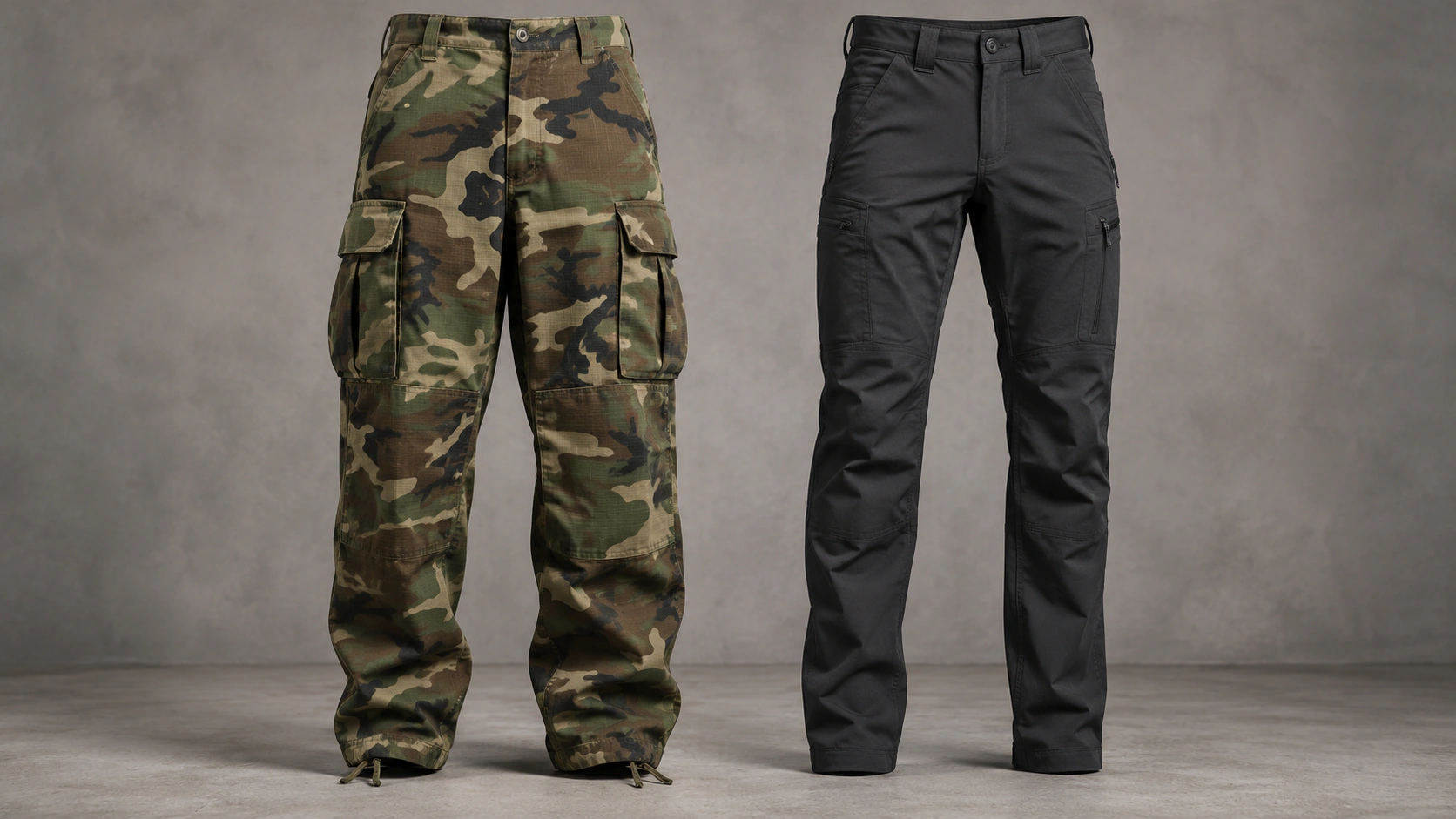
All law enforcement uniforms vary by department, though some may be similar. And often, uniforms differ between positions. Police officers working the road will usually wear a formal uniform and officers who work undercover may wear neutral clothing like tactical pants.
Most law enforcement agencies supply uniforms or provide an allowance if you work undercover or a job where you can wear civilian clothes. They also supply equipment such as a gun belt, holster, firearm, handcuff case, etc.
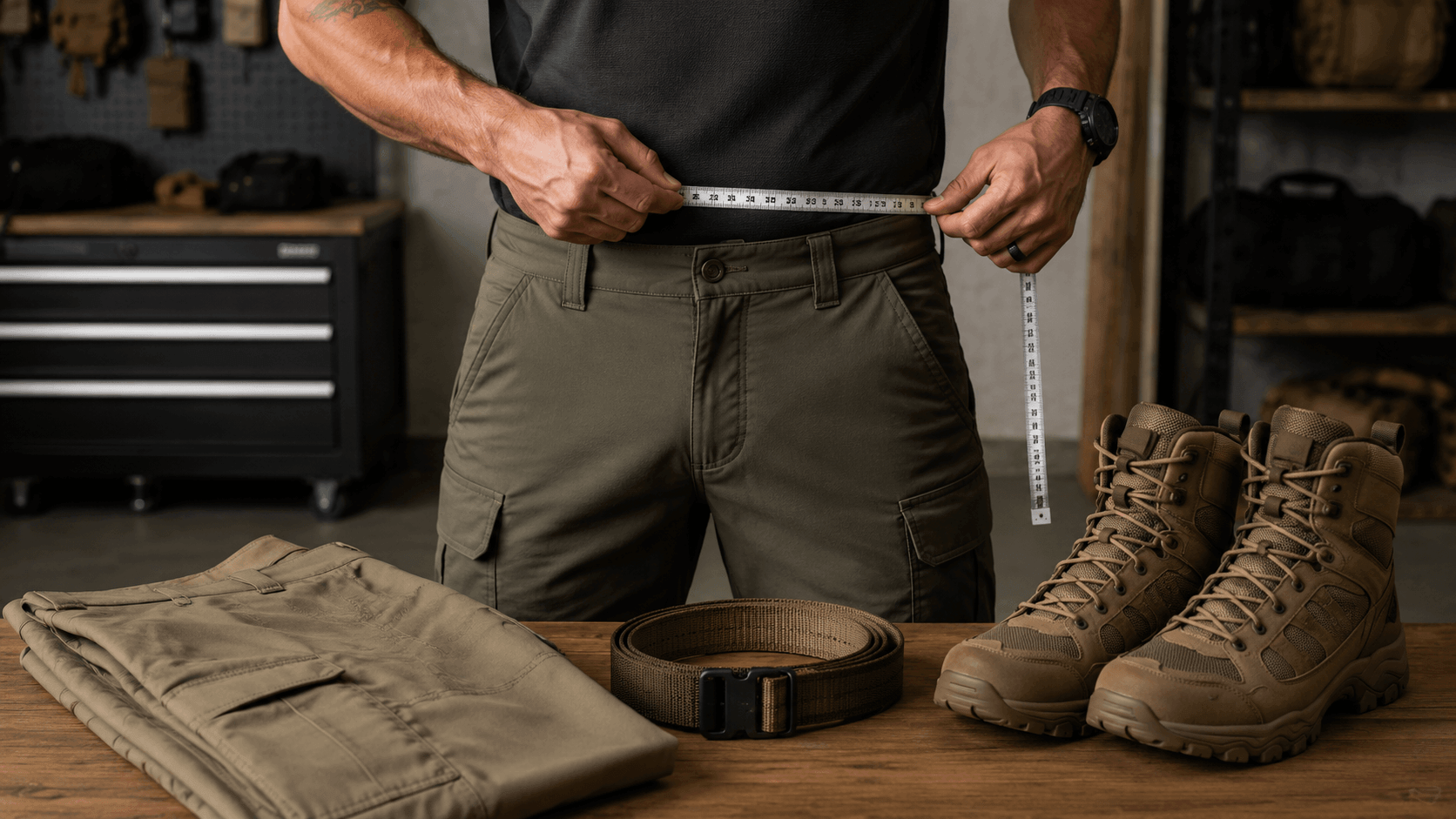
One main thing you should purchase is comfortable footwear. Working in a lab as a forensic scientist allows you a little more flexibility with footwear, but every law enforcement officer needs a comfortable pair of tactical boots.
Get a Pair of Tactical Boots Today!
These are just a few popular criminal justice careers you can choose. Correctional officers, police officers and forensic scientists are totally different. But, as you can see, there is a wide variety of jobs to choose from. Which law enforcement career interests you the most?
John Roman Images/Shutterstock.com